

Emma Tei
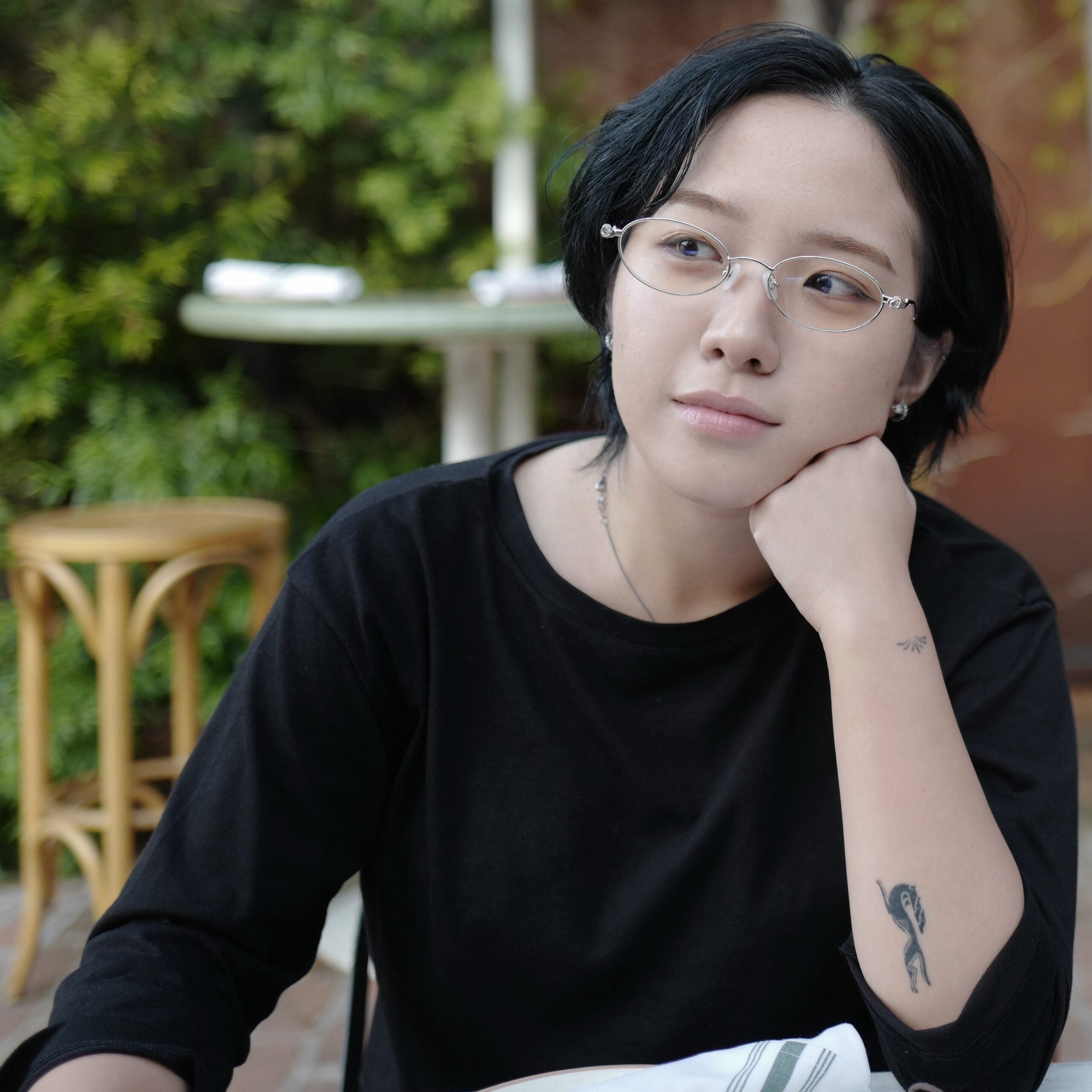
Thesis title: Weaving Connections: Thread, Craft, and Relationality in Contemporary Japanese Art (tentative)
Advisor: A/P Nozomi Naoi
E-mail: emma.tei@u.nus.edu
Education:
B.A., University of Southern California
Research interests:
Contemporary Japanese Art; Queer and Gender Studies; Multidisciplinary, Installation, and Performance Art; Japanese Cultural Studies (Dō, Mingei/Kogei)
Self-introduction:
Born in Nagoya, Japan, and having spent my undergraduate academic years in Los Angeles, I obtained my B.A. in Art History from the University of Southern California. My research interests center on cross-cultural and multidisciplinary approaches to contemporary art, with a particular focus on the intersections of traditional Japanese art, cultural identity, and social discourse within the context of Japanese contemporary art. My curatorial experience includes internships with the Setouchi Triennale and various art and cultural institutions across Los Angeles, most recently at Craft Contemporary. At NUS, my research focuses primarily on contemporary Japanese artists who engage with questions of gender, culture, and an increasingly globalized society through diverse artistic media and practices. Beyond my academic and curatorial pursuits, I enjoy collecting vinyl records, attending live music venues, reading, and spending time with my loved ones and dogs.
Thesis Research Area:
Grounded in a cultural-historical framework, my research examines the significance of thread as both a material and conceptual medium in Japanese contemporary art. Focusing on the practices of Chiharu Shiota (b.1972) and Aiko Tezuka (b.1976), the study explores how thread evokes and complicates histories of Japanese textile and art traditions, gendered forms of making, and the shifting boundaries between art and craft, while considering how these histories are negotiated within the global contemporary art world through questions of identity, cultural memory, and evolving art-historical narratives. I approach thread as both subject and method, examining its capacity to connect and entangle the personal, collective, historical, and cultural.