
Why Singapore can’t afford a hazy October each year
November 14, 2026
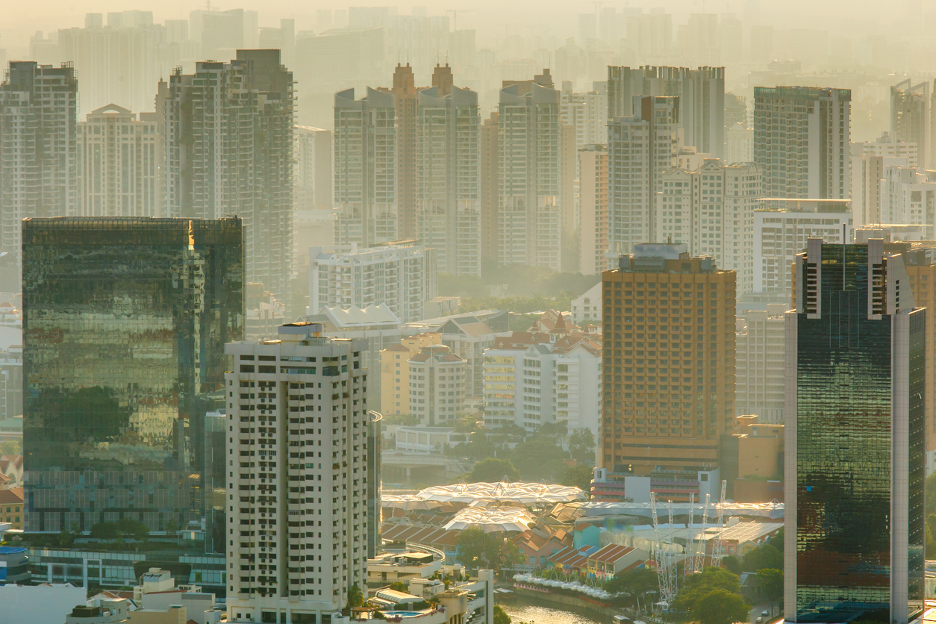
The return of severe haze to Singapore in October 2026 has revived concerns over the country’s vulnerability to transboundary air pollution. Largely caused by fires on drained peatlands in Indonesia, the haze pushed air quality readings into the unhealthy and very unhealthy ranges for weeks. Its effects extended beyond health concerns, with poor visibility disrupting flights at Seletar Airport while major international events, including the Formula 1 race, proceeded under unhealthy air conditions. For a place that depends heavily on international connectivity and business confidence, such disruptions raise questions about the longer-term consequences of recurring haze.
Assistant Professor Du Xinming (NUS Economics) examines the issue in ‘Why Singapore can’t afford a hazy October each year’ (The Straits Times, 2026), arguing that the economic costs of haze extend beyond immediate losses in productivity and tourism. Economists distinguish between avoidance and adaptation costs, which arise when businesses and individuals adjust their decisions in anticipation of pollution. International conferences may relocate, firms may reconsider expansion plans, and skilled workers may choose to live elsewhere. While these decisions rarely appear in official estimates of haze-related losses, they can gradually and implicitly undermine Singapore’s attractiveness as a regional business and talent hub.
These costs are particularly significant given Singapore’s reliance on high-value services and international investment. Research has found that air pollution can impair cognitive performance even indoors, affecting productivity in knowledge-intensive industries. Meanwhile, businesses have unequal capacities to adapt as larger firms can invest in air filtration and flexible work arrangements while smaller businesses and outdoor-bound workers have fewer alternatives. Importantly, the economic consequences of haze are not confined to periods of unhealthy air quality, since firms may incur additional costs or redirect investments months before the haze season begins.
Asst Prof Du also highlights the cross-border nature of haze, which creates a negative externality, as landowners do not bear the full environmental and economic costs of their activities. Although Singapore has limited jurisdiction over these practices, its position as a regional commodities trading and financial hub offers opportunities to influence land-use decisions. Greater supply chain traceability and financial incentives for verified fire prevention could help address the problem at its source. Domestically, clearer haze protocols as well as targeted support for vulnerable businesses could also improve economic resilience.
It is clear that Singapore’s challenge is not just managing the next haze episode, but preventing recurring pollution from undermining its long-term competitiveness. Parliament’s recent amendments to the Transboundary Haze Pollution Act, raising the maximum fine on errant companies from S$2 million to S$20 million and strengthening enforcement powers are encouraging steps towards holding polluters accountable. Beyond tougher legislation, addressing haze at its source will be crucial to protecting Singapore’s reputation as a reliable investment hub and an attractive place to live, work and play.
Read The Straits Times article here.