

NUS News: Associate Professor Leher Singh
January 11, 2019
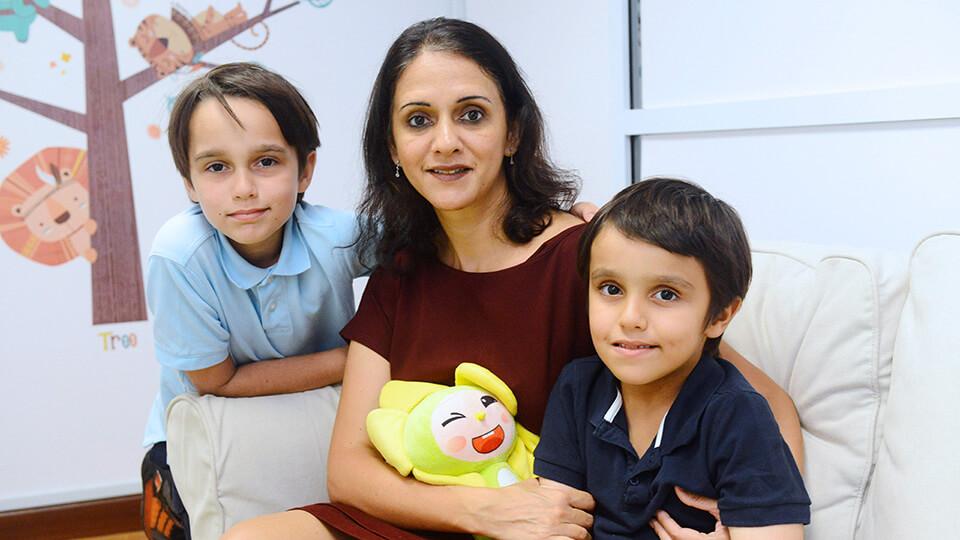
In NUS News, Associate Professor Leher Singh from the NUS Department of Psychology shares her scientific interest in language, as well as her research, which centres on language development in very young children.
A/P Singh explains that she developed a passion for human language in children during her undergraduate studies. After completing her PhD in Cognitive Science, she jumped straight into the position of Assistant Professor at Boston University – an unconventional move for postgraduates, who would typically gain academic experience through a postdoctoral fellowship first. She recalls many late nights and weekends spent writing grant proposals and manuscripts as she prepared for tenure.
A/P Singh now conducts research on language development in the first two years of a child’s life, as well as factors that help children acquire their first language. She stresses that this is the most critical phase of language development – toddlers who have received high quality language input go on to fare better in school. In the same vein, her second area of research looks at the influence of learning two languages on the development of a child’s mind. Her research team found that babies who have been exposed to two languages process information faster, suggesting that exposure to two languages shapes fundamental aspects of early memory development.
She is currently investigating the effects of bilingualism on social, cognitive, and language development. In particular, she is focusing on identifying risks for language development in children from disadvantaged families. By determining the language gaps and designing ways to counter these risks, children can begin their academic journey on equal footing.
Notably, A/P Singh stresses that she is mindful of conducting research that will benefit the public. In fact, her plans for the future include pursuing both basic and applied research to contribute meaningfully to society, where basic findings in language development can inform educational and parenting practices.
Read the article here.