
More Than Aging in Place: ‘Aging in Networks’ in Singapore
January 12, 2026
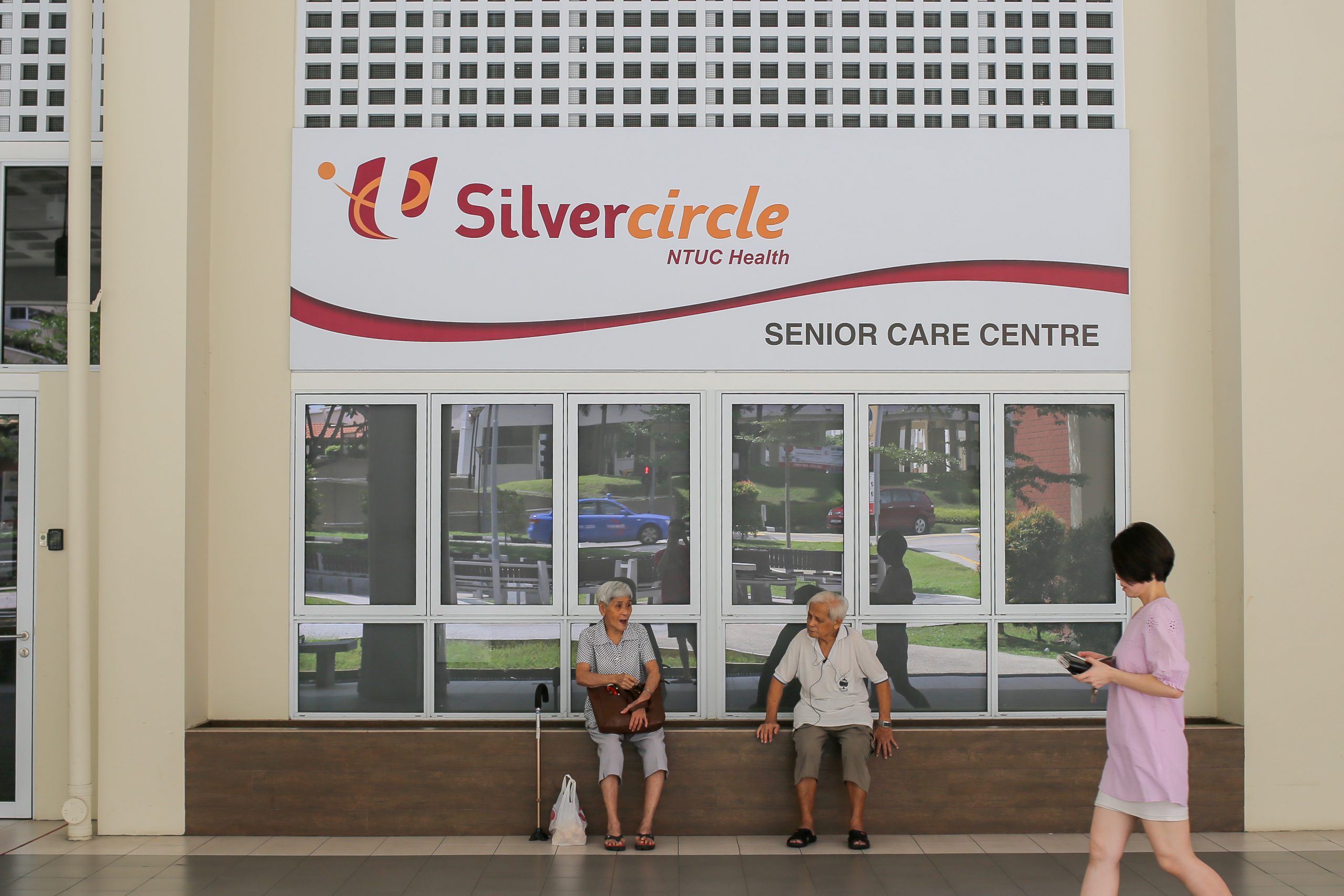
With one in four Singaporeans aged 65 and above, Singapore is now classified as a ‘super-aged’ nation, joining countries like Japan, Germany, and Italy. The Singapore government has taken deliberate steps to address and prepare for changing demographics. For example, the Action Plan for Successful Ageing introduced in 2015 by the Ministerial Committee on Ageing (MCA) not only focuses on promoting healthy longevity but also aims to foster a ‘City for All Ages’ through initiatives such as senior-friendly towns. From Hong Kah North to Tampines Greenweave, features like distinct motifs and interconnected walkways enhance accessibility and support independent living. However, ageing in place is only part of the solution. Beyond spatial proximity, it is equally crucial for older adults to foster and age within social networks, both local and extended, to support their ageing well in Singapore.
In ‘More Than Aging in Place: “Aging in Networks” in Singapore’ (Annals of the American Association of Geographers, 2024), Siyao Gao (NUS Geography), Professor Elaine Lynn-Ee Ho (NUS Geography and NUS Asia Research Institute), Associate Professor Vincent Chua (NUS Sociology & Anthropology and NUS Centre for Family and Population Research), and Associate Professor Chen-Chieh Feng (NUS Geography) explore how older adults in Singapore navigate and sustain social connections both within and beyond their immediate neighbourhoods. They identify three types of activity spaces that shape senior citizens’ experiences, emphasising that social wellbeing is often nurtured not just by nearby relationships but also by interactions beyond their neighbourhoods. This reconceptualization highlights the importance of mobility and broader social ties in ensuring emotional support for older adults.
Interestingly, the researchers find that older adults balance local and extralocal ties in nuanced patterns. While neighbourhood amenities such as hawker centres are critical for immediate needs, many seniors actively seek meaningful interactions and specialised activities outside of the neighbourhood. For example, participants frequently travelled beyond their neighbourhoods to reconnect with old friends, pursue hobbies, or attend cultural activities. Extralocal networks, such as long-standing friendships or family bonds, are enabled by robust public transport and digital communication tools, offering emotional depth and sustained support, despite the effort required to maintain. In this regard, mobility was found to be a crucial enabler in allowing seniors to access a broader range of social and emotional resources, such as reconnecting with former neighbours after relocating, or pursuing hobbies or professional-level activities not available in their immediate spaces.
As Singapore faces the challenges of an ageing population, it is crucial to address the growing risk of social disconnection among older adults. Alongside ageing in place, policies and urban designs must enable ageing in networks by strengthening public transportation, creating multi-generational activity hubs, and fostering digital literacy. These efforts will help seniors remain socially active, supported, and engaged with society in their later years.
Read the article here.
Read the Straits Times opinion piece on the study, ‘When seniors live alone, it doesn’t mean they are lonely’, published on 7 January 2026, here.