
Chasing scale: the pasts and futures of mobility in electricity and logistics
January 30, 2026
‘Is this scalable?’ This question has become central to contemporary industries, where the pursuit of scalability drives decisions about growth, efficiency, and innovation. While often associated with Big Tech, the phenomenon of scaling is deeply rooted in older industries such as electricity service and maritime logistics. These sectors have long pursued scalability as a foundational business principle, managing the movement of goods, services, and people across increasing distances.
In ‘Chasing Scale: The Pasts and Futures of Mobility in Electricity and Logistics’ (Mobilities, 2023), Assistant Professor Canay Özden-Schilling (NUS Sociology and Anthropology) explores how electricity and maritime logistics industries have been pioneers of scalability since the 20th century. She traces how these industries first scaled up during the rise of industrial capitalism, and how these industries have long viewed human factors as obstacles to the seamless mobility that scalability requires.
To overcome limitations in human cognition and action, technologies like energy aggregators and automated vehicles were employed. Energy aggregators use algorithms and sensor data to optimise electricity usage across large consumer groups. and automated vehicles in ports minimise transportation distances and times. The pursuit of scaling through enhanced mobility has endured as a driving ambition for the electricity and logistics sectors into the 21st century. As such, Assistant Professor Özden-Schilling contends that automation is merely the latest conduit employed to ensure seamless mobility, continuing a longstanding business tradition of maximising efficiency and reach.
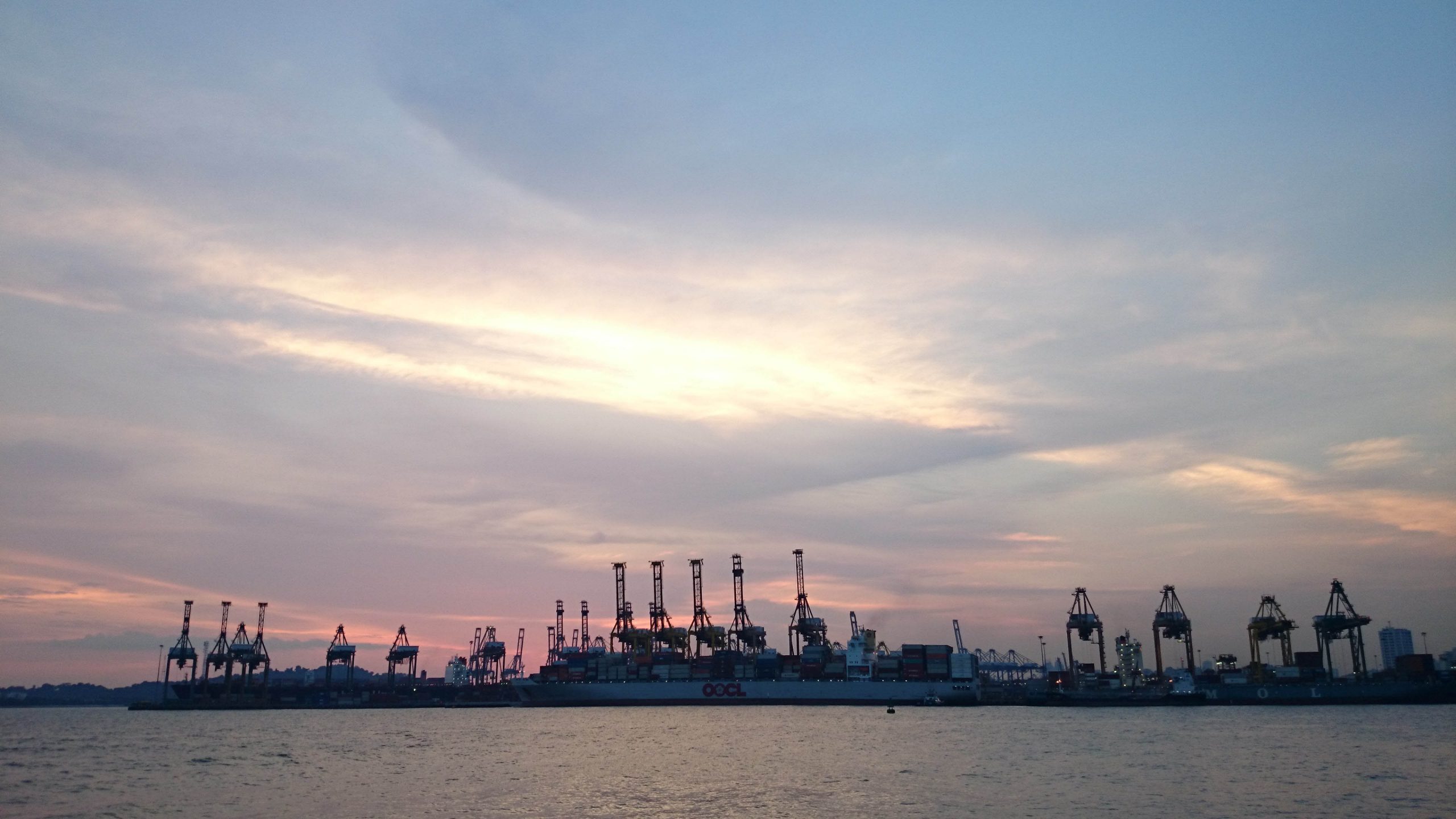
This is exemplified by Singapore’s Tuas Port, which is set to become the largest fully automated terminal by 2040. As Senior Minister Lee Hsien Loong noted, “Tuas Port is also an opportunity to peer over the horizon and rethink the future of shipping.” Tuas Port reflects how contemporary industries leverage automation to drive greater efficiency and scale, continuing the legacy of scalability that has shaped these sectors for decades.
In Singapore, where scalability and automation are central to national development strategies, the push for efficiency brings important considerations for labour, sustainability, and equitable growth. As industries increasingly rely on automation to enhance operations, a deeper understanding of scalability, rooted in its historical context, is essential for navigating future economic and environmental demands. By rethinking how scale is pursued, industries can work towards building more equitable and resilient infrastructures that benefit both Singapore and the global community.
Read the article here.