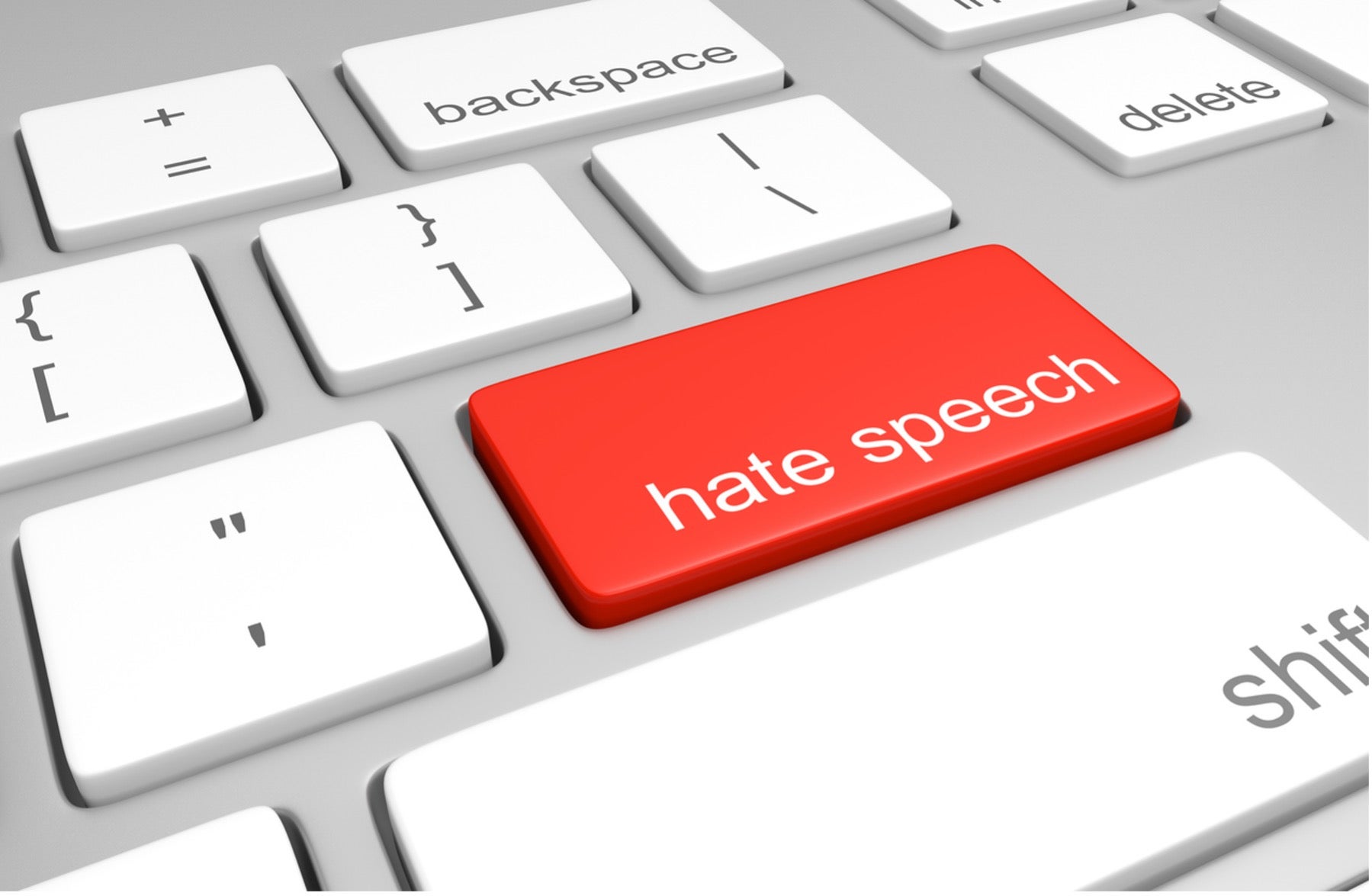

Do racist comments online really reflect what Singaporeans think?
October 23, 2026
In “Do racist comments online really reflect what Singaporeans think?” (CNA Deep Dive, 17 September 2026), Associate Professor Natalie Pang (NUS Communications and New Media) joins CNA hosts Steven Chia and Tiffany Ang, as well as Dr Mathew Mathews (NUS Institute of Policy Studies) to examine why racist and xenophobic rhetoric can appear so prominent online, and whether it reflects broader social attitudes in Singapore or the dynamics of digital platforms themselves.
Recent online controversies, including reactions to the Nepal-Tibet floods and discussions surrounding Singapore Airlines’ investment in Air India, have put questions of race and immigration back in the spotlight. Yet the volume of hostile comments online does not necessarily indicate how widespread these views are in society.
Assoc Prof Pang explains that social media can amplify existing biases and make fringe views appear more widespread than they really are. Artificial intelligence (AI) has made this problem more complicated, as malicious actors can create large numbers of fake accounts and coordinate them to promote particular narratives, creating an artificial impression of public consensus.
Such campaigns can also produce a “snowball” effect. Rather than simply spreading content through bots, bad actors can target real and influential users with repeated messages. Once these users begin sharing the narrative themselves, the information gains a form of social credibility and can spread through their wider networks.
Anonymity is another important factor. Assoc Prof Pang notes that people may express views online that they would hesitate to voice in face-to-face settings. When such comments repeatedly circulate without being challenged, there is a risk that discriminatory language becomes increasingly normalised.
The design of social media platforms also shapes these conversations. Platforms tend to reward attention and engagement rather than careful deliberation, making them difficult environments for nuanced discussions about race. Misinformation can spread quickly, while humour may sometimes be used to disguise or make light of racist rhetoric.
The discussion also considers Singapore’s new racial harmony law, which took effect this 15th of September. While these measures can deter openly inflammatory behaviour in public spaces, Assoc Prof Pang cautions that they may also push some of these conversations into private or encrypted channels, where they become harder to observe.
Her broader point is that online discourse should not automatically be treated as a straightforward reflection of Singaporean society. What appears dominant online can be shaped by platform incentives, anonymity, coordinated amplification, and increasingly sophisticated AI tools. Understanding racism in the digital age therefore requires attention not only to what people are saying, but also to how online environments determine which voices become the loudest.
Watch the CNA Deep Dive vodcast episode here.