

Flexible Working and Household Labour Gender Equality: A Global Perspective
Project's Details
Title: Flexible Working and Household Labour Gender Equality: A Global Perspective
Funded by: Ministry of Education (MOE) Academic Research Fund (AcRF) Tier 2
Amount: S$363,584
PI: Assistant Professor Wang Senhu, Department of Sociology and Anthropology, Faculty of Arts and Social Sciences, NUS
Co-PI(s): Associate Professor Kriti Vikram, Department of Sociology & Anthropology and Co-Director of CFPR, Faculty of Arts and Social Sciences, NUS; Associate Professor Mu Zheng, Department of Sociology & Anthropology and Co-Director of CFPR, Faculty of Arts and Social Sciences, NUS
Collaborator(s): Dr Cheng Cheng, School of Social Sciences, Singapore Management University; Professor Manyee Kan, Department of Sociology, University of Oxford; Dr Zhuofei Lu, Department of Sociology, University of Oxford
Project duration: 2027 to 2030
Abstract
Despite notable advances in women’s education and formal labor market participation, domestic labor remains deeply gendered, entrenching private-sphere inequalities and contributing to critical demographic crises, most notably persistent fertility decline. Flexible work arrangements (FWAs)—including telecommuting, flexible hours, and reduced-schedule models—are increasingly advocated by organizational leaders and policymakers to alleviate work-family conflict. Nevertheless, empirical evidence remains sharply divided on whether FWAs equalize the domestic division of labor or intensify traditional gender disparities by reinforcing women’s unpaid care burdens. To resolve this theoretical impasse, this study adopts a cross-national, dyadic approach by harmonizing couple-level longitudinal panel surveys and detailed time-use microdata spanning 35 countries over four decades. By linking individual and joint spousal FWA uptake with granular domestic labor domains—specifically distinguishing between inflexible routine housework, non-routine tasks, and cognitive or physical childcare—this project captures the nuanced intra-household bargaining and spillover dynamics overlooked by prior individual-centric research. Furthermore, the framework integrates macro-level institutional and cultural indicators, examining how societal gender ideologies and the market affordability of domestic outsourcing moderate FWA outcomes within distinct welfare regimes. This project holds significant theoretical and policy implications. Analytically, it bridges macro-structural contexts with micro-level dyadic interactions, advancing the long-standing debate between time-availability and "doing-gender" perspectives. Practically, by identifying the boundary conditions under which workplace flexibility mitigates rather than exacerbates gender stratification, the findings offer evidence-based guidelines for designing family-supportive labor regulations and organizational FWA frameworks worldwide.
Project's Team

Principal Investigator
Assistant Professor Wang Senhu
Department of Sociology and Anthropology
Faculty of Arts and Social Sciences
National University of Singapore
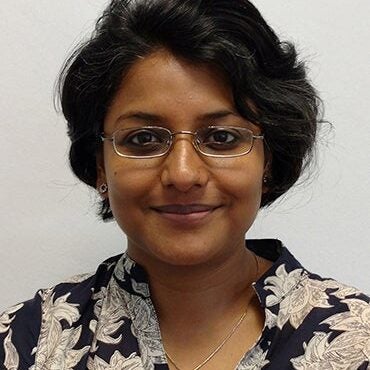
Co-Principal Investigator
Associate Professor Kriti Vikram
Department of Sociology & Anthropology and Co-Director of CFPR
Faculty of Arts and Social Sciences
National University of Singapore

Co-Principal Investigator
Associate Professor Mu Zheng
Department of Sociology & Anthropology and Co-Director of CFPR
Faculty of Arts and Social Sciences
National University of Singapore
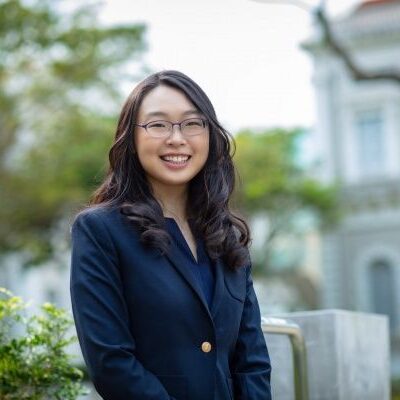
Collaborator
Dr Cheng Cheng
School of Social Sciences
Singapore Management University

Collaborator
Professor Manyee Kan
Department of Sociology
University of Oxford
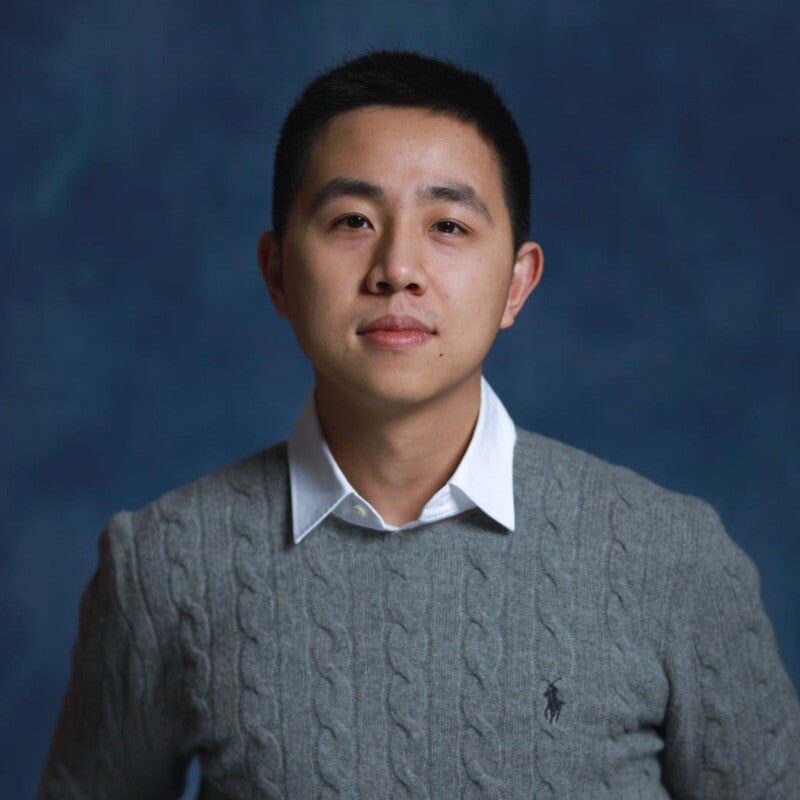
Collaborator
Dr Zhuofei Lu
Department of Sociology
University of Oxford
Contact Us
Principal Investigator: Assistant Professor Wang Senhu (socsw@nus.edu.sg)
Address:
Centre for Family and Population Research, Faculty of Arts and Social Sciences, National University of Singapore, The Shaw Foundation Building, Block AS7, Level 3, 5 Arts Link Singapore 117570