

#HumansofCFPR - Blog 12
The Fertility Shift: An interview with Professor Wei-Jun Jean Yeung
| Published on 17 Oct 2026
Singapore has one of the world’s lowest fertility rates, but your recent remarks on new studies presented in PAS 2026 suggest that the issue should not be framed only as a population-size problem. How should Singapore reframe low fertility as a broader question of human development, social inclusion, and confidence in the future?
One contribution of our work over the past decade has been to shift the conversation from counting births to understanding the conditions that enable people and families to flourish. Low fertility is often framed as a population problem, but it is also a reflection of how people experience work, family life and their confidence in the future. When young adults postpone marriage or childbearing, they are responding not only to economic considerations, but also to long working hours, intensive parenting expectations, uncertainty about the future and the challenge of balancing career aspirations with family life.
That is why I believe fertility should be understood through the broader lens of human development. A society that invests in children's development, supports families across the life course, promotes gender equality and enables healthy ageing is also creating the foundation for demographic resilience.
Ultimately, the question is not simply how many children a society has. It is whether people feel confident that they can build the lives and families they aspire to. I believe the future of population science lies not only in understanding demographic change, but in understanding how societies create the conditions for people to flourish.

In your research, you have proposed an “Asymmetric Adaptation Framework” to explain Asia’s fertility transitions. Could you explain what is asymmetric about this adaptation, and how it helps us understand why fertility has fallen so sharply in some Asian societies?
The key insight is that fertility decline in Asia emerges when economic and social change outpaces the ability of institutions and cultural norms to adapt.
Across Asia, education expanded, economies developed and women entered higher education and the workforce. Families rapidly changed within just a few decades.
However, Asian institutions and cultural expectations evolved much more slowly. Workplaces continued to reward very long and inflexible working hours as well as gendered practices, caregiving remained largely women's responsibility, childbearing remained closely tied to marriage, and increasingly intensive educational competition raised the perceived costs of raising children.
Different combinations of modernisation, institutional arrangements and cultural traditions have produced different fertility trajectories across East, Southeast and South Asia. That is why I argue Asia requires its own theoretical lens rather than simply applying theories developed elsewhere.
The broader lesson extends well beyond fertility. Societies thrive when institutions evolve alongside people's aspirations. That insight is becoming increasingly important as Asia confronts population ageing, migration, technological change and increasingly diverse family forms.
SG LEADS has gone beyond academic research, with findings recognised in parliamentary discussions and contributing to policy changes such as expanded paternity leave. What does this reveal about the role of research in policymaking, and what kinds of evidence are most persuasive to policymakers?
One of the achievements I value most is that SG-LEADS has shown how nationally representative longitudinal research can contribute meaningfully to both science and public policy.
Administrative statistics tell us what is happening. Longitudinal studies tell us why it is happening, how early experiences shape later
outcomes, and which investments have the greatest long-term returns.
Our findings have informed parliamentary discussions on paternity leave, father involvement, financial deprivation, children's media use and wellbeing. More importantly, I think they have helped shift policy attention toward prevention and early investment rather than responding only after problems emerge.

Looking ahead, I hope Singapore continues investing in studies such as SG-LEADS, LEAP and other nationally representative longitudinal cohorts. These are not simply research projects—they are national research infrastructure. If we want to understand human development, healthy ageing and social mobility, we need evidence that follows lives over decades rather than observing people at only one point in time.
As the founding director of CFPR in 2014, what was the intellectual or policy gap you felt Singapore needed to fill at that time, and how has CFPR’s role evolved as family and population challenges in Singapore and Asia become more complex?
Looking back, I think CFPR achieved something very important. It helped establish family and population research as an interdisciplinary field in Singapore and demonstrated that many of our most pressing social challenges cannot be understood through a single discipline.
I am proud that the Centre fostered interdisciplinary collaboration, established longitudinal research infrastructure, developed theoretical perspectives grounded in Asian societies, trained a new generation of scholars and demonstrated how rigorous evidence can contribute to better public policy.
Looking ahead, I believe the questions facing Singapore and Asia are becoming even bigger. Demographic change is no longer simply about fertility or ageing. It is about how societies develop human potential across the entire life course—from early childhood through adolescence and adulthood to healthy longevity. It also requires us to understand how emerging technologies such as artificial intelligence, changing patterns of work, migration and evolving family structures interact to shape opportunities across generations.
Through collaborations across Singapore and Asia, I hope we can build a life-course science of human development that integrates research on families, education, health, technology, migration and ageing. I believe that will become one of the defining frontiers of population science over the coming decades.
As President of the Population Association of Singapore (PAS) from 2025 to 2028, what priorities do you hope to advance for the population research community, especially at a time when Singapore and the wider Asian region are facing major demographic shifts such as low fertility and population ageing?
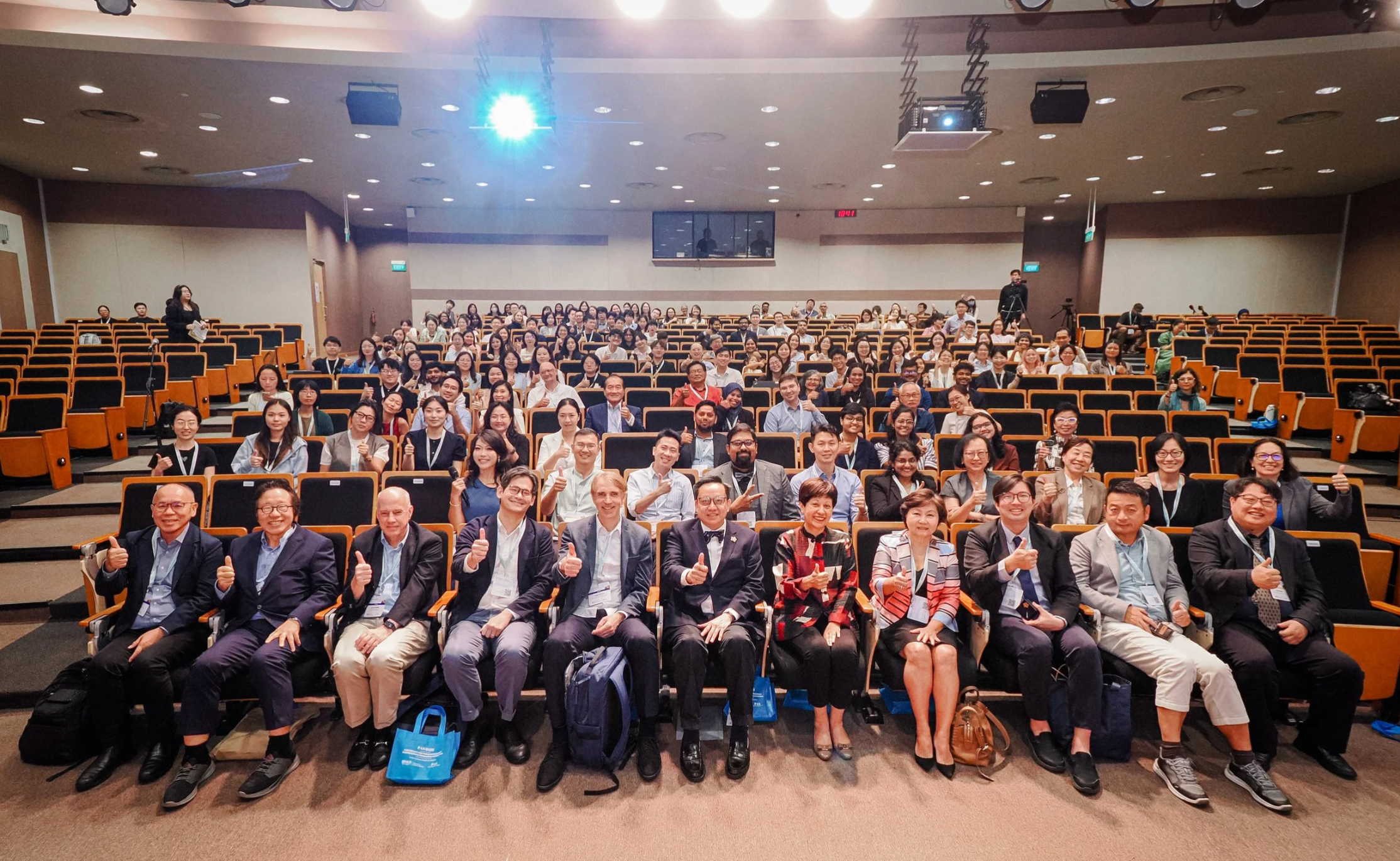
As President of the Population Association of Singapore, I hope we can help position Singapore as a leading centre for population and human development research in Asia.
Singapore is uniquely placed to make this contribution. We have outstanding universities, rich administrative and longitudinal data, close collaboration between researchers and policymakers, and an increasingly strong community of interdisciplinary scholars.
My hope is that PAS continues to connect researchers across institutions and disciplines while strengthening collaboration throughout Asia. Although many societies face similar demographic challenges, they have followed different historical pathways, creating valuable opportunities for comparative research and new theory.
Ultimately, I see the future of population science as moving beyond describing demographic trends toward understanding how societies can help people realise their potential across the life course. If Singapore can contribute new longitudinal evidence, new theories and new policy ideas to that global conversation, I believe we can make an important contribution not only to Asia, but also to the future direction of population science itself.
In the twentieth century, population science was largely concerned with how populations grow, age and change. In the twenty-first century, I believe our challenge is to understand how societies can develop human potential amid demographic transformation. That, to me, is the next frontier of population science.
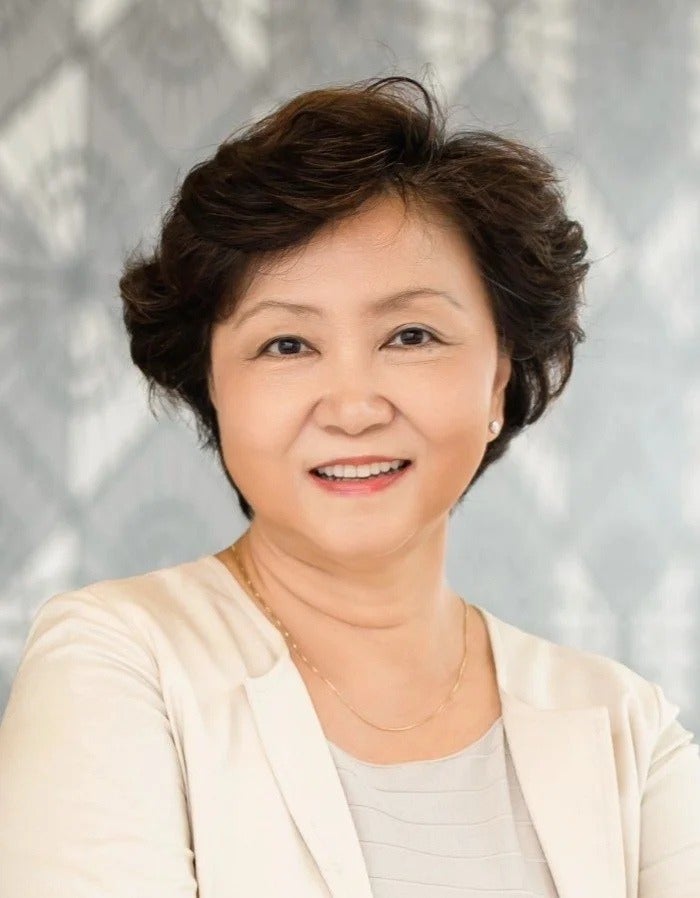
Prof Wei-Jun Jean Yeung is a leading expert in social demography, family studies, population health and social stratification. She is Professor in the Department of Paediatrics at the Yong Loo Lin School of Medicine, NUS, and Director of Social Sciences at A*STAR. She is also the Founding Director of NUS CFPR and the inaugural President of the Population Association of Singapore (PAS). Prof Yeung was Professor (Provost’s Chair) in the Department of Sociology at NUS from 2008 to 2023, and is the Principal Investigator of the Singapore Longitudinal Early Development Study (SG-LEADS), a major research project on early childhood development in Singapore.
#HumansofCFPR