

Surviving the US-China AI War
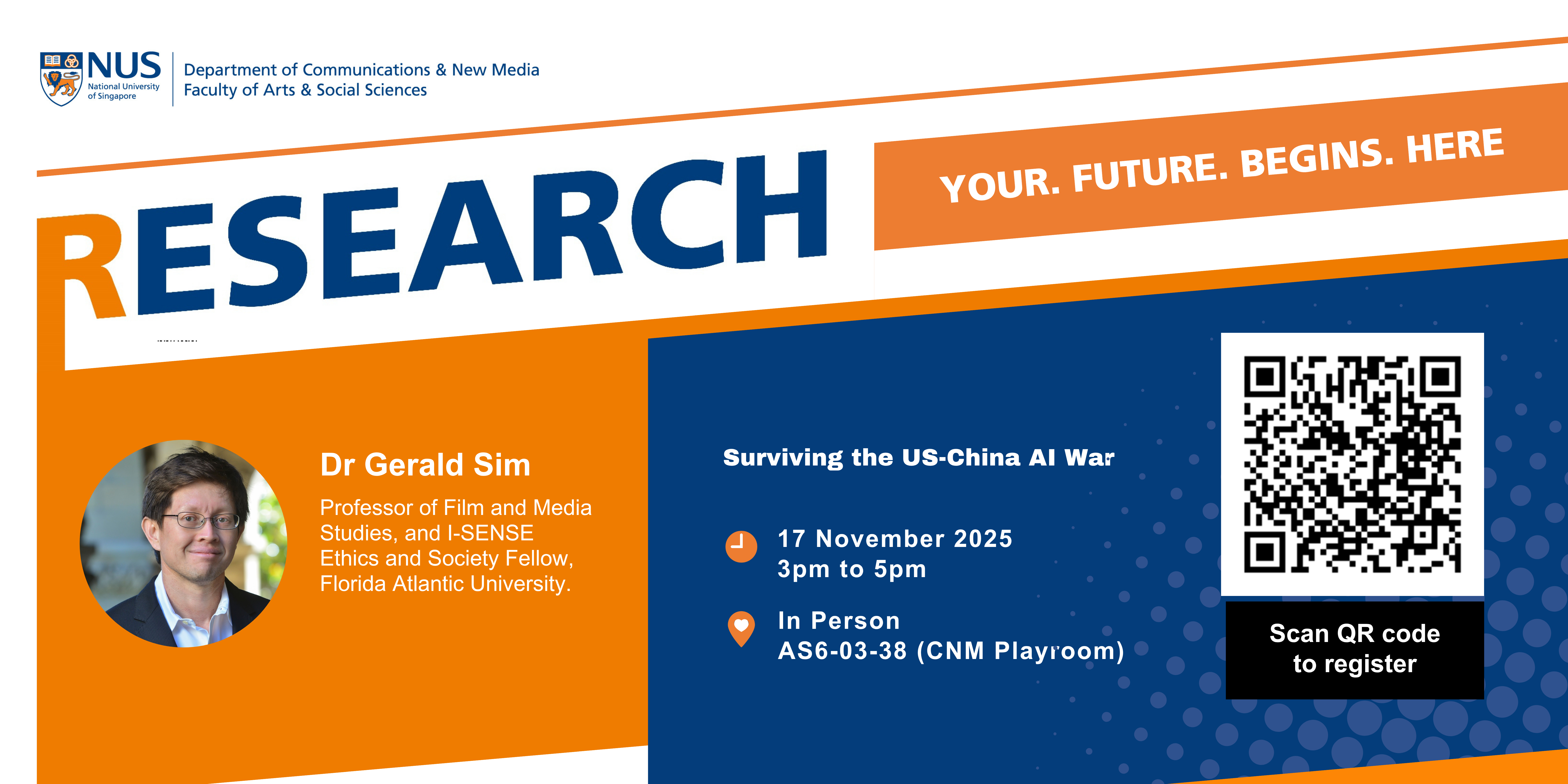
In-Person Event Registration
(With limited seating available, we warmly invite all interested staff and students to register for the event.)
Participants will receive a registration confirmation via an automated email after signing up.
Speaker

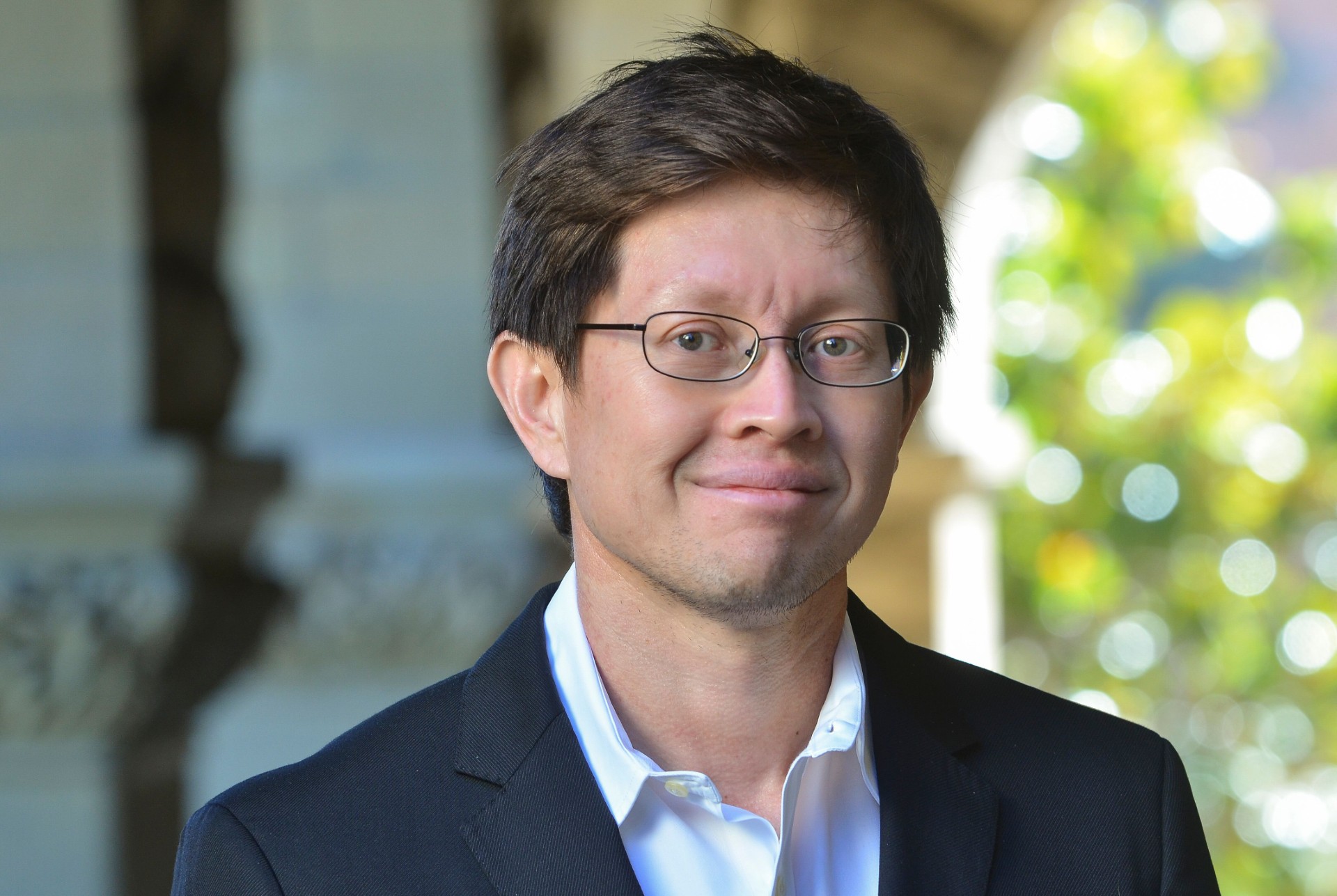
Dr Gerald Sim is professor of film and media studies, and I-SENSE Ethics and Society Fellow at Florida Atlantic University.
Dr Gerald Sim is professor of film and media studies, and I-SENSE Ethics and Society Fellow at Florida Atlantic University. He is the author of Screening Big Data: Films that Shape Our Algorithmic Literacy (Routledge 2024), and articles about digital culture, data politics, and new media history in Television & New Media, Convergence, Projections, and the collection The Netflix Effect (Bloomsbury 2016). His work on Edward Said’s influence on film studies, CNBC personality Jim Cramer, film music theory, and Asian cinemas can be found in Discourse, Rethinking Marxism, positions, and Film Quarterly. His first two books are Postcolonial Hangups in Southeast Asian Cinema: Poetics of Space, Sound, and Stability (Amsterdam UP 2020), and The Subject of Film and Race: Retheorizing Politics, Ideology, and Cinema (Bloomsbury 2014).
.
Abstract
This talk examines the manner and degree to which the US-China AI arms race is framed in the West with a techno-Orientalist narrative. The stereotypical framing attributes China’s structural advantage in AI policy to its enormous workforce and access to massive datasets acquired from an acquiescent horde. In this view, China is further seen as an authoritarian country that is free from political encumbrances like civil rights and privacy concerns. This talk builds on the author’s previous work on how the American technology industry weaponizes techno-Orientalist fear of Chinese AI in its domestic push against regulation and oversight. Specifically, it updates the project’s survey of media with documentary and news coverage of TikTok, and uses critical theory to contextualize this instance of Cold War-style catastrophizing within the frequent evocations of apocalypse and doom observable in AI discourse as a whole.
