
Why Johor Bahru Should Introduce Congestion Pricing
September 14, 2026
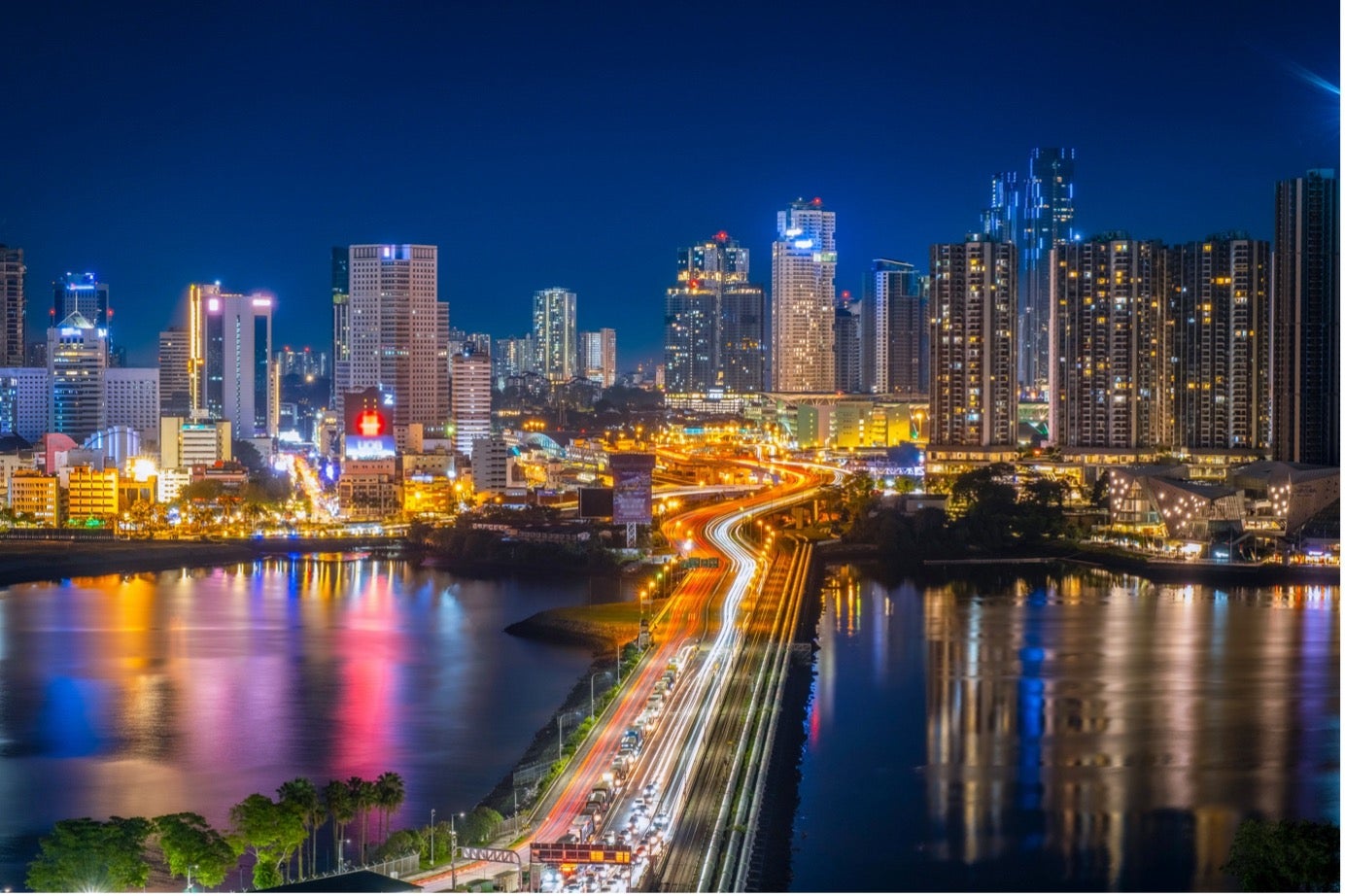
The opening of the Johor Bahru-Singapore Rapid Transit System (RTS) Link in 2027 is expected to transform cross-border travel and increase demand for transport within Johor Bahru. However, persistent road congestion could prevent feeder buses from becoming a reliable alternative to private cars.
In ‘Why Johor Bahru Should Roll Out Congestion Pricing When RTS Opens’ (Channel NewsAsia, 20 July 2026), Associate Professor Timothy Wong (NUS Economics) asserts that Johor Bahru should introduce congestion pricing alongside improvements to its bus network. He challenges the view that road pricing should begin only after comprehensive public transport has been established, noting that buses cannot become faster or more reliable while they remain trapped in traffic.
Evidence from Stockholm and London indicates that relatively modest congestion charges can substantially reduce traffic. Because road speeds deteriorate rapidly when traffic volumes are high, removing even a small share of vehicles can produce significant time savings for both drivers and bus passengers.
Wong acknowledges concerns that congestion charges may disproportionately affect lower-income commuters. However, these commuters already bear the costs of congestion through long and unpredictable journeys. Revenue from road pricing could be used to expand bus services, subsidise public transport fares, develop park-and-ride facilities, or provide targeted financial support.
Public acceptance may also rise once commuters experience shorter journeys and improved transport services. Wong therefore argues that Johor Bahru should introduce bus improvements and congestion pricing together, ensuring that the RTS Link supports a broader shift towards efficient and reliable public transport.
Read Wong’s commentary here.