
Book Launch: Figures of Buddhist Diplomacy in Modern Asia
April 17, 2026
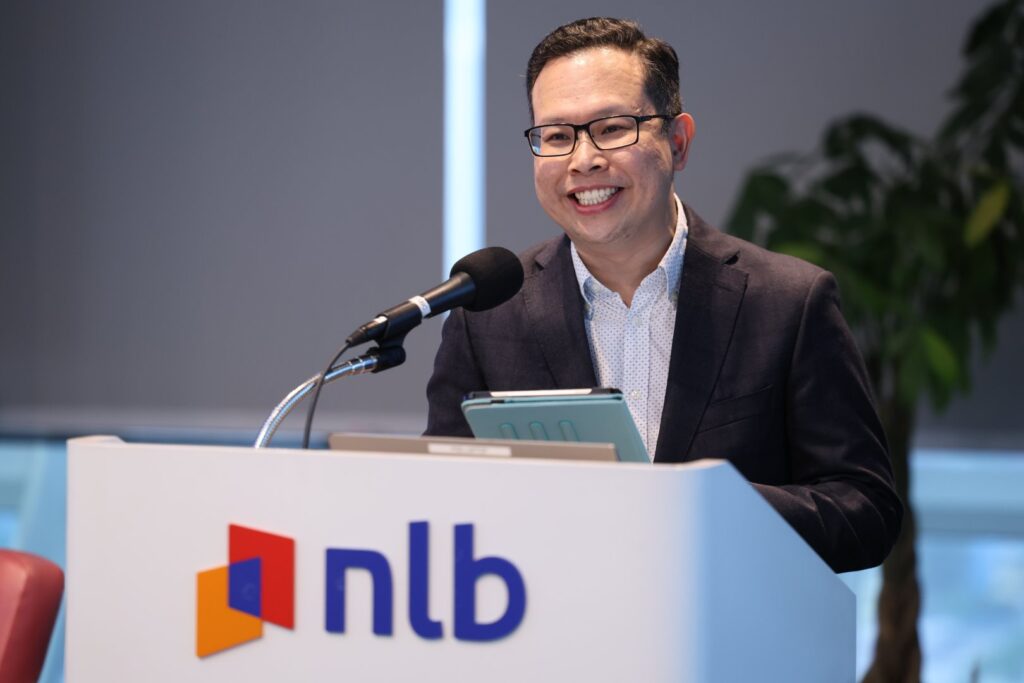
Discussions of diplomacy often assume that relationships between states begin with formal recognition and official channels. This assumption was directly challenged at the launch of Figures of Buddhist Diplomacy in Modern Asia (Bloomsbury, 2026) on 8 April 2026, at The Pod, NLB. Edited by Associate Professor Jack Meng-Tat Chia (NUS History) and funded by Singapore’s Social Science Research Council (SSRC), the volume was discussed at an event jointly organised by the FASS Research Division’s Singapore Research Nexus and GL Louis Religious Pluralism (GLRP) Research Cluster.
The launch brought together scholars from history, religious studies, and political science, alongside policymakers and members of the public. Professor Chan Heng Chee, Deputy Chairman of the SSRC, delivered the opening remarks as guest-of-honour, highlighting the broader relevance of the book’s themes for understanding diplomacy in Asia today.
Central to the discussion was the idea that diplomatic engagement can take shape outside of formal institutions. The book highlights how Buddhist actors—including monks, educators, and religious leaders—have historically built cross-border connections through shared practices and institutional ties. These interactions, while not formally diplomatic, have contributed to sustaining communication and cooperation across societies.
One theme that emerged during the presentations was the role of such networks in contexts where official relations are limited. Through pilgrimage, missionary work, and education, religious actors have created channels of engagement that operate independently of state coordination. These connections can endure across political shifts, providing continuity in regional interactions.
The case of the Singaporean monk Hong Choon, discussed in one of the presentations, illustrates this pattern. His work across Asia helped link Buddhist communities through teaching and institution-building, demonstrating how long-term relationships can be established through religious networks rather than formal agreements. This and other examples suggest that diplomacy may develop gradually through social and cultural exchange before it is formalised at the state level.
At the same time, speakers noted that these informal networks increasingly intersect with contemporary state practices. In modern Asia, governments have drawn upon shared cultural and religious reference points to support regional engagement, positioning them as complementary to official diplomacy.
For Singapore, these themes are particularly relevant. As a multi-religious society embedded within regional networks, its external engagement extends beyond formal diplomacy. Cultural and religious linkages may support trust-building and people-to-people connections, especially in a more complex geopolitical environment.
Read the book here. Additional coverage can be found in the NUS News feature on the launch event.