
Why Robot Monks Cannot Replace Human Faith
June 2, 2026
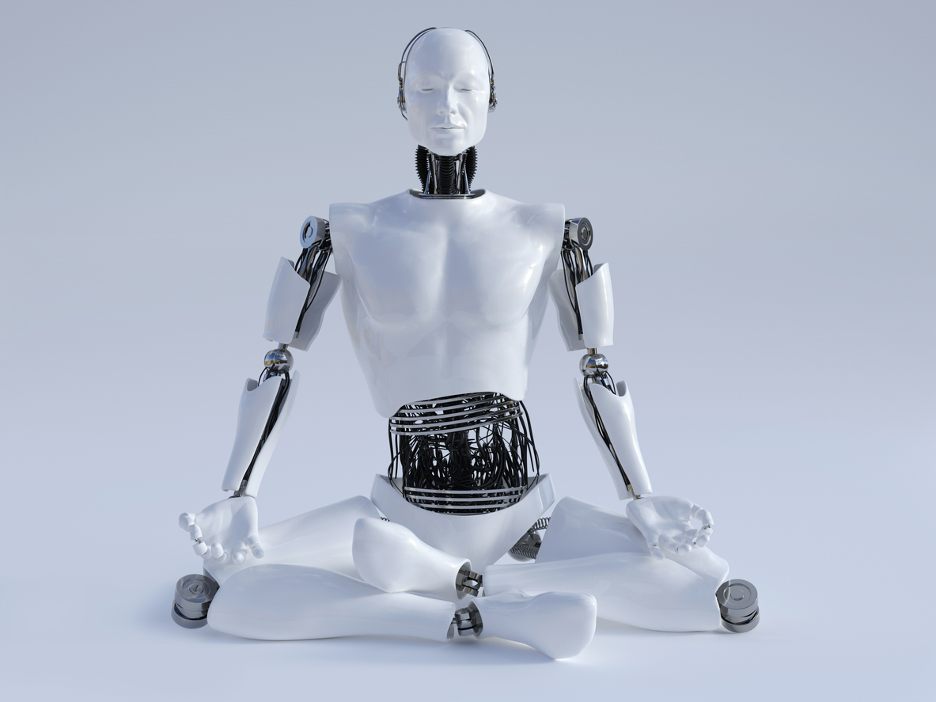
From chatbots in classrooms to AI assistants in workplaces, even religion is beginning to enter the digital age. The recent rise of robot monks in East Asia has sparked global fascination and debates over whether technology could one day replace spiritual leaders. In ‘Why Robot Monks Cannot Replace Human Faith’ (Eurasia Review, May 2026), Associate Professor Jack Meng-Tat Chia (NUS History) explores these concerns, discussing the growing phenomenon of AI-powered Buddhist monks.
Assoc Prof Chia notes that Buddhist communities have quietly experimented with AI technologies over time. AI is increasingly used to translate scriptures, digitise fragile manuscripts, analyse Buddhist texts, and create searchable online archives. Buddhist organisations are also using chatbots and online Dharma platforms to engage younger, digital-native audiences. Most recently, examples such as Kyoto University’s ‘Buddharoid’, designed to deliver Buddhist teachings, and South Korea’s ‘Gabi’, reportedly the country’s first robot formally ordained as a monk, have shown how public fascination with robot monks has increased.
On one hand, such innovations can be beneficial, especially since Buddhism has historically adapted well to technological changes from woodblock printing to livestreamed sermons. Assoc Prof Chia argues, however, that AI ultimately cannot replace religion for three main reasons. First, robots are not sentient beings. While they can process information and simulate conversations, they lack consciousness, moral awareness, and genuine spiritual experience. Buddhism is not merely about transmitting knowledge but about ethical cultivation, compassion, mindfulness, and self-transformation.
Second, religion is fundamentally experiential. Practices such as meditation, chanting, pilgrimage, and repentance involve lived emotional and spiritual experiences that machines cannot truly replicate. A robot may imitate prayer or meditation, but it cannot genuinely experience suffering, hope, grief, or inner peace.
Finally, religion depends on authentic human connection. Religious leaders provide empathy, trust, comfort, and companionship during moments of uncertainty and suffering. While AI can generate comforting responses, it cannot genuinely care or emotionally connect with others.
Even though AI may become an increasingly useful tool in technologically advanced societies like Singapore, it cannot replace the human dimensions of faith. The growing fascination with robot monks therefore reveals less about machines replacing religion and more about humanity’s continuing search for meaning in an increasingly digital world. In Singapore, where AI adoption is rapidly accelerating alongside an increasingly tech-savvy society, these global developments raise deeper questions about whether machines can truly replicate the moral and spiritual roles traditionally fulfilled by religion and adjacent beliefs.
Read the Eurasia Review article here.