

Media Gallery
Videos
Alison Tokita: The “Heike Brothers” and the Heike Musical Narrative
The “Heike Brothers” and the 700-Year Transmission and Reception of Heike Musical Narrative
Alison Tokita, Director of the Research Centre for Japanese Traditional Music at the Kyoto City University of Arts, discusses the historical development of Heikyoku and introduces contemporary effort in connecting to this early narrative-ballad in this presentation.
This paper is presented in Session Three of the Contemporary Tradition - Japanese Performance Genre Today conference (13 - 15 Oct 2016) in NUS.
François Rose: Orchestrating Time: The Changing Colors of Gagaku Music
François Rose, an award-winning composer and professor at the University of the Pacific, discusses how he used precision recording in audio to capture time and color, two critical concepts in Gagaku.
This paper is presented in Session Three of the Contemporary Tradition - Japanese Performance Genre Today conference (13 - 15 Oct 2016) in NUS.
Julie Iezzi: Building Bridges and Tearing Down Pylons: Medieval Satire for a 21st Century Hawai′i
Julie A. Iezzi, Associate Professor at the University of Hawai’i at Manoa, discusses the collaborative kyogen productions between professional kyogen actors Shigeyama Doji and her students at the Asian Theater Program at the University of Hawai'i.
This paper is presented in Session Three of the Contemporary Tradition - Japanese Performance Genre Today conference (13 - 15 Oct 2016) in NUS.
Richard Emmert & Theatre Nohgaku: Transition from Japanese to English Noh with Performances
A lecture explanation of aspects of noh chanting and dancing, with illustrations by speaker Richard Emmert and members of Theatre Nohgaku.
This paper is presented in Session Three of the Contemporary Tradition - Japanese Performance Genre Today conference (13 - 15 Oct 2016) in NUS.
Making sense of the noh stage by Elizabeth Down
Elizabeth Dowd explains the basic components of noh, including the Kamae, the basic & formal position/structure; the masks; suriashi (sliding feet); kata (movement pattern) such as shiitake-hiraki; uses of fans, etc. Elizabeth also explains the two different ways of chanting in noh and demonstrates these styles by performing excerpts of two plays Yuya (Yuya the courtesan) and Shojo (Shojo the Auspicious Lions). Yuya is chanted with wagin style and Shojo with gogin style. While discussing masks, Elizabeth mentions the "viewing pillars" that are used to guide performers with masks on. We created some for the show but unfortunately, they became those ugly long black poles that seems to have divided the screen in the video.
This paper is presented in Session Three of the Contemporary Tradition - Japanese Performance Genre Today conference (13 - 15 Oct 2016) in NUS.
Theatre Nohgaku: Blue Moon Over Memphis excerpt with explanation
An exchange between Julie (waki) and the ghost of Elvis (shite) in Blue Moon over Memphis performed at the Lecture Performance session at a conference. After the first scene, Thomas O'Connor from Theatre Nohgaku explained the structure and technique of noh. Production of a full version of Blue Moon Over Memphis is in the pipeline by Theatre Nohgaku. Check Theatre Nohgaku and this space for updates later.
This paper is presented in Session Three of the Contemporary Tradition - Japanese Performance Genre Today conference (13 - 15 Oct 2016) in NUS.
Q&A after the performance
Members of Theatre Nohgaku engaged in a lively discussion about noh, their experience, ideas, and many more, after the lecture performance which is the last session of the Conference.
This paper is presented in Session Three of the Contemporary Tradition - Japanese Performance Genre Today conference (13 - 15 Oct 2016) in NUS.
Images
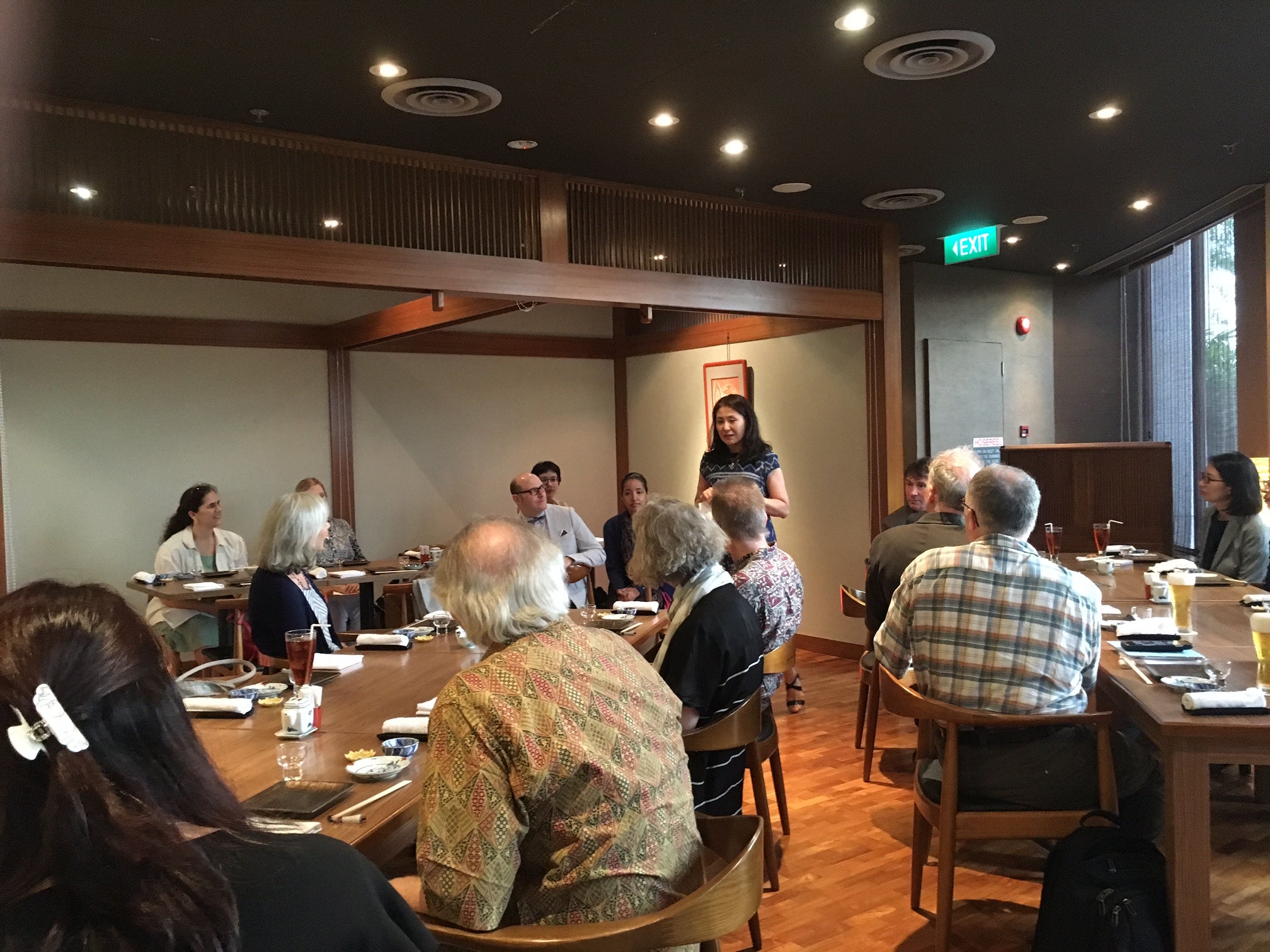
Welcome dinner for participants of the Contemporary Tradition - Japanese Performance Genre Today conference on 14 October 2016, hosted by Ms Ito Masako, director of the Japan Creative Centre (Photographer: Lim Beng Choo)
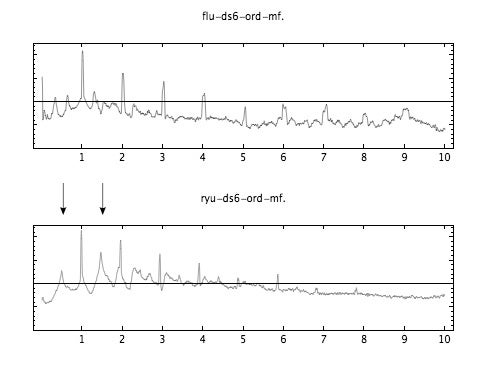
A diagram of a sound wave presented in François Rose's paper titled Orchestrating Time: The Changing Colors of Gagaku Music
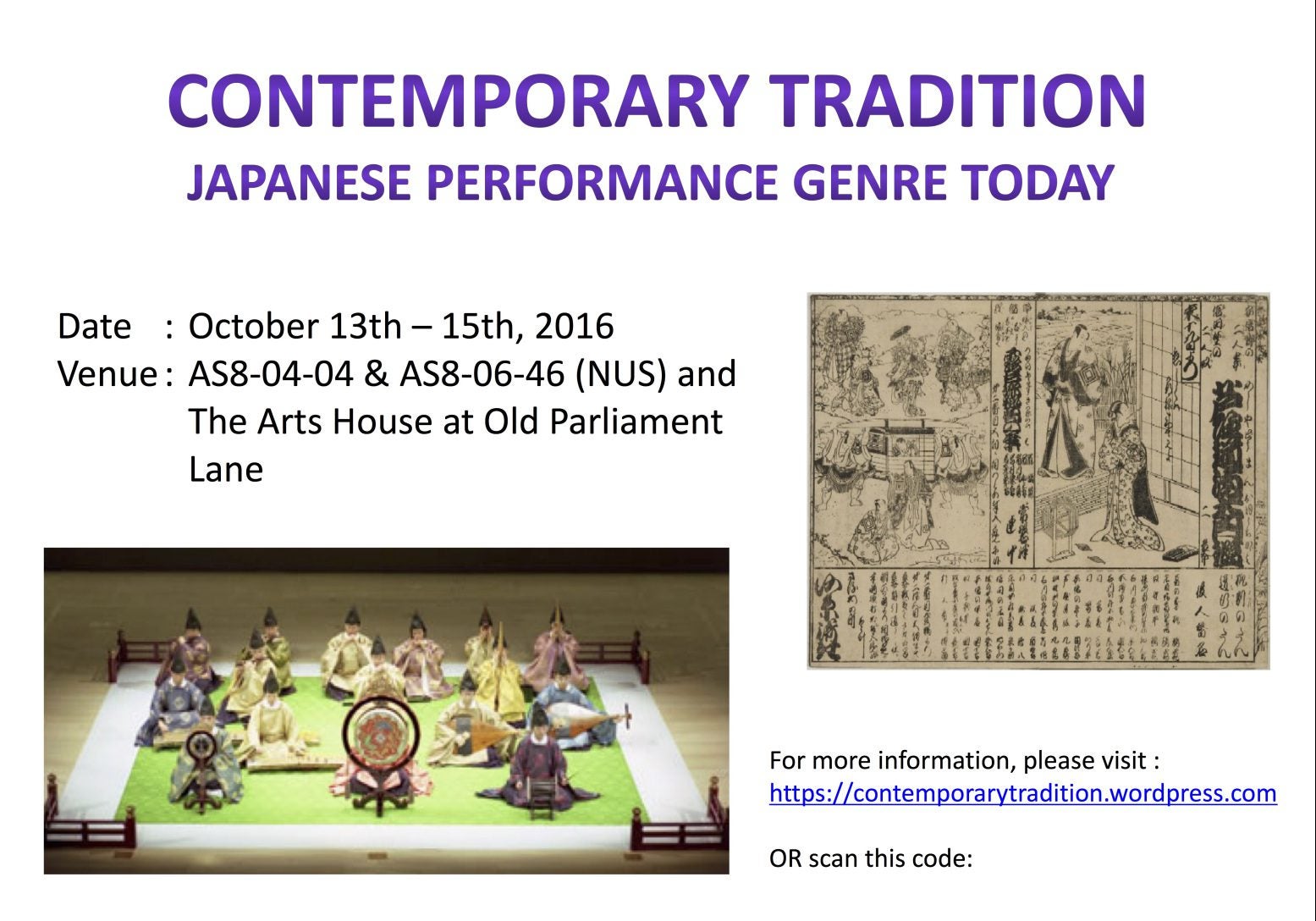
Contemporary Tradition - Japanese Performance Genre Today conference (Poster designed by Karen Ang)
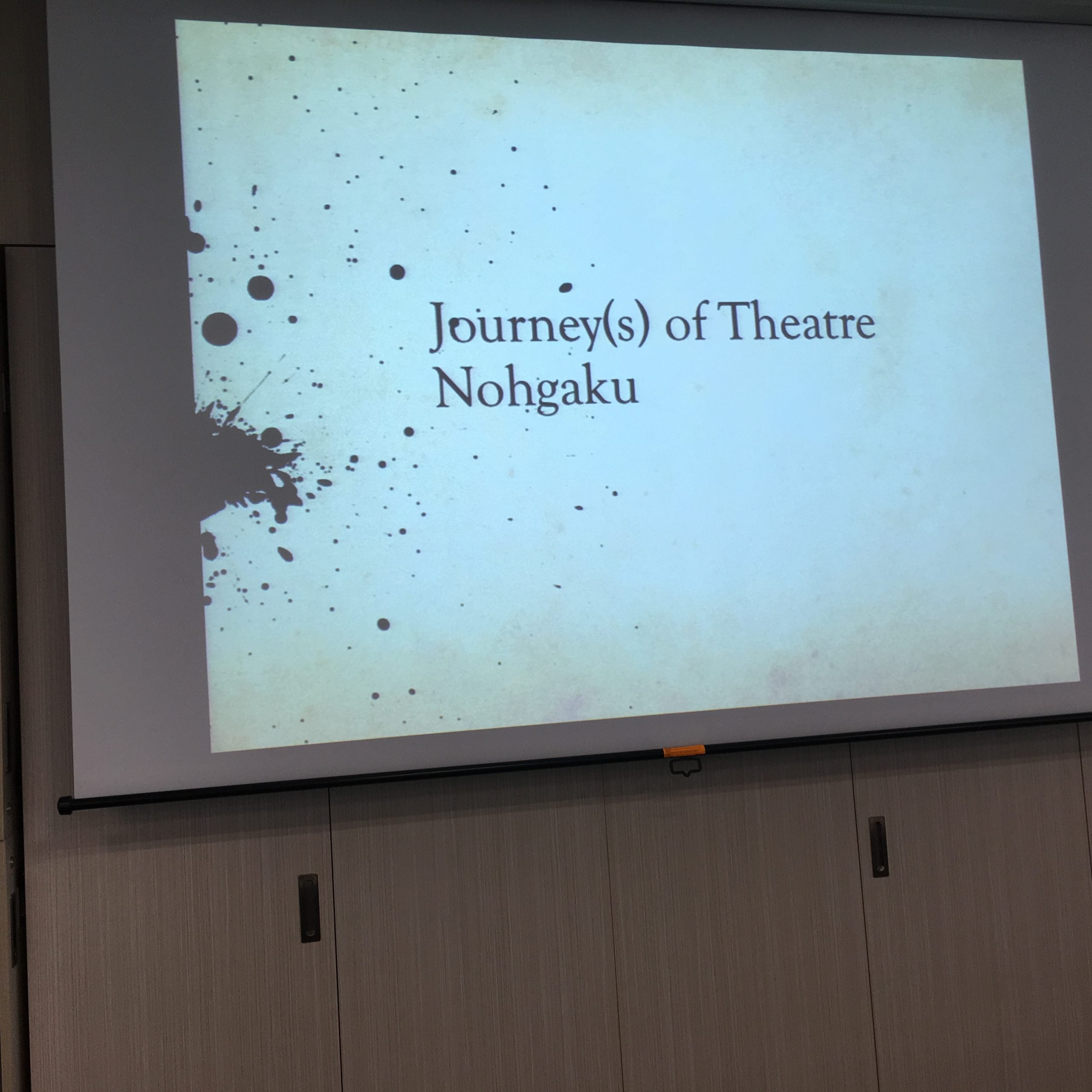
Session Four of the Contemporary Tradition - Japanese Performance Genre Today conference (Photographer: Lim Beng Choo)
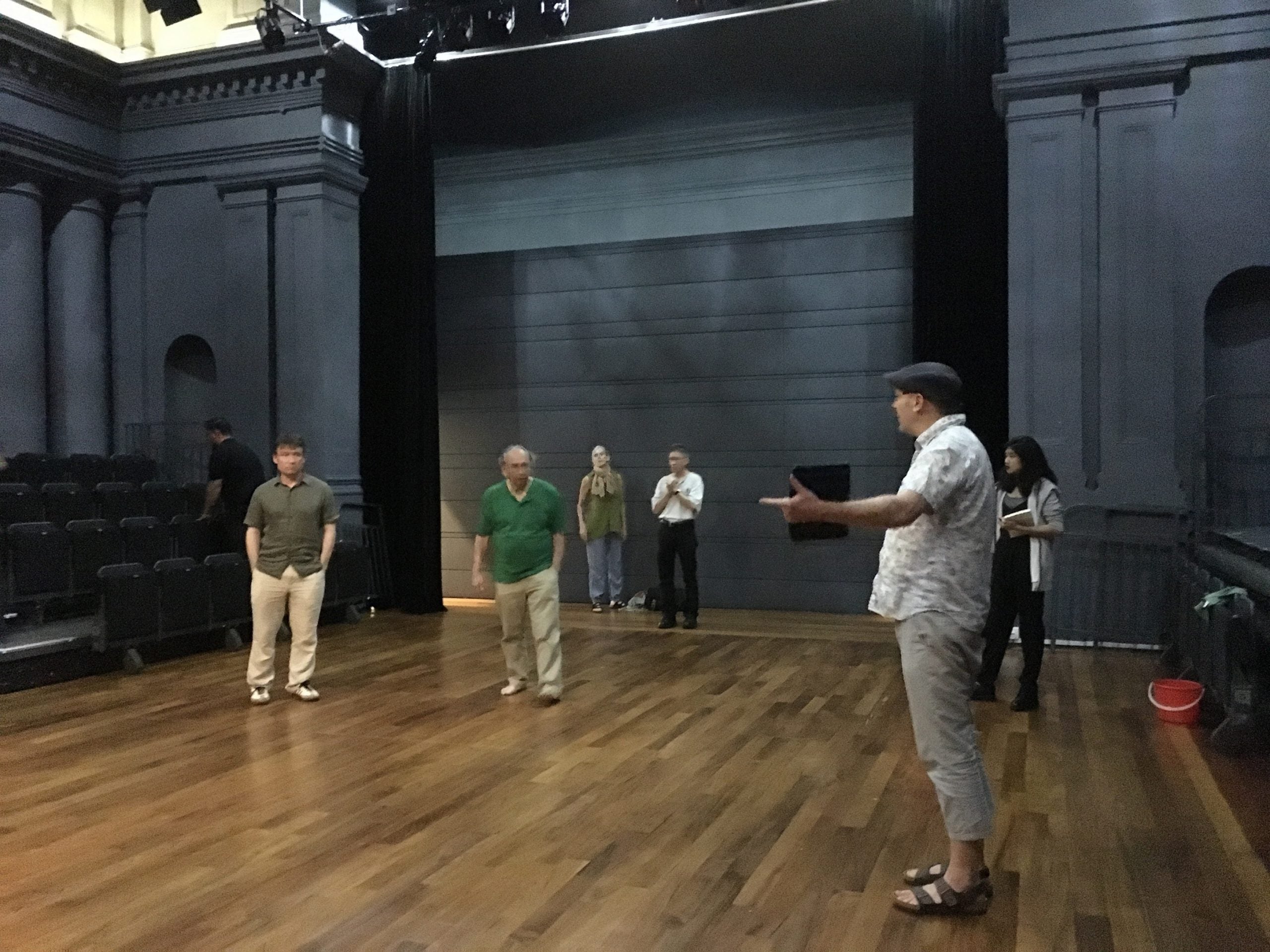
Members of Theatre Nohgaku surveying the performance space at the Arts House. (Photographer: Lim Beng Choo)
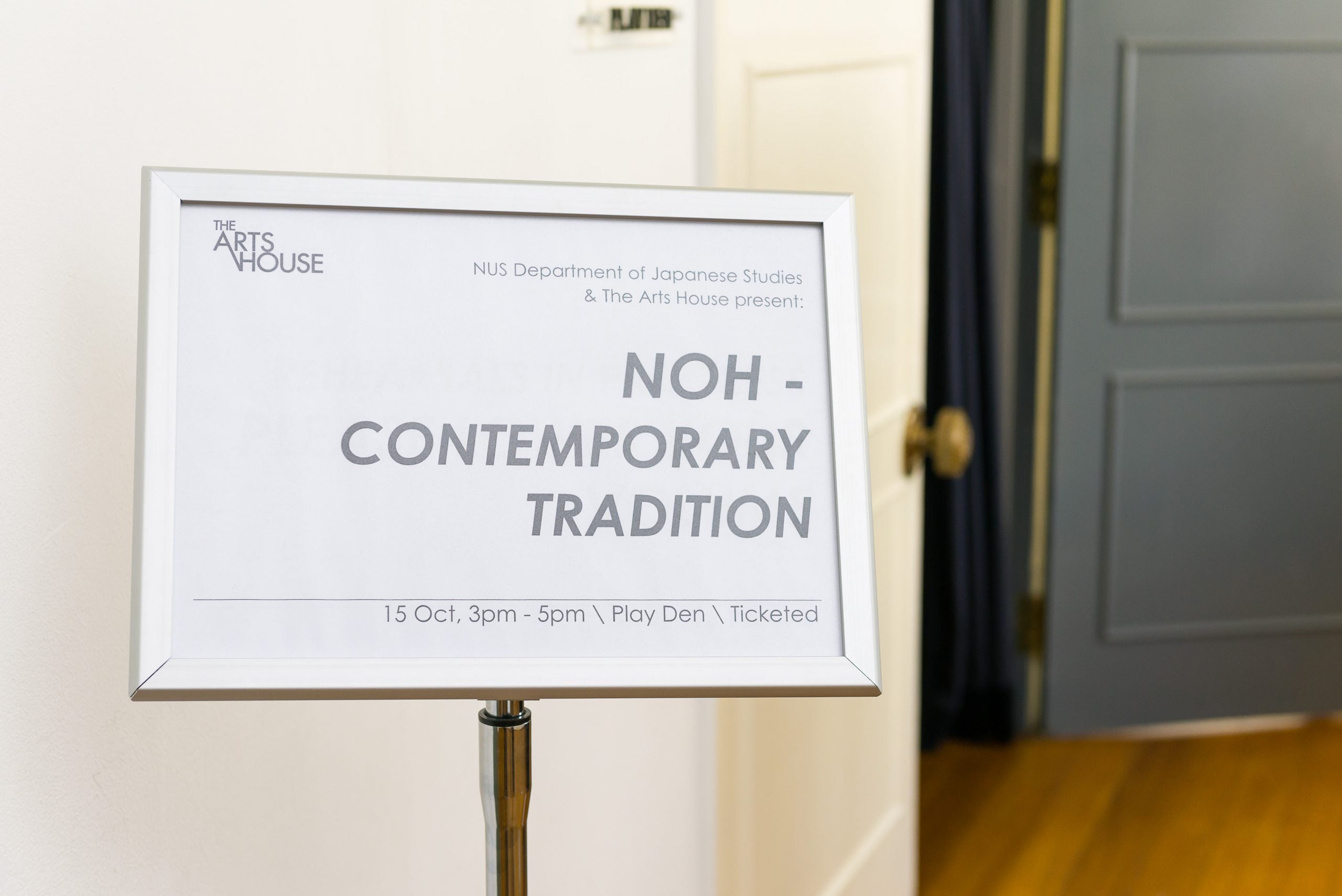
Signage at the Arts House where the lecture-performance section of the Contemporary Tradition - Japanese Performance Genre Today conference was held (Photographer: Lim Beng Choo)
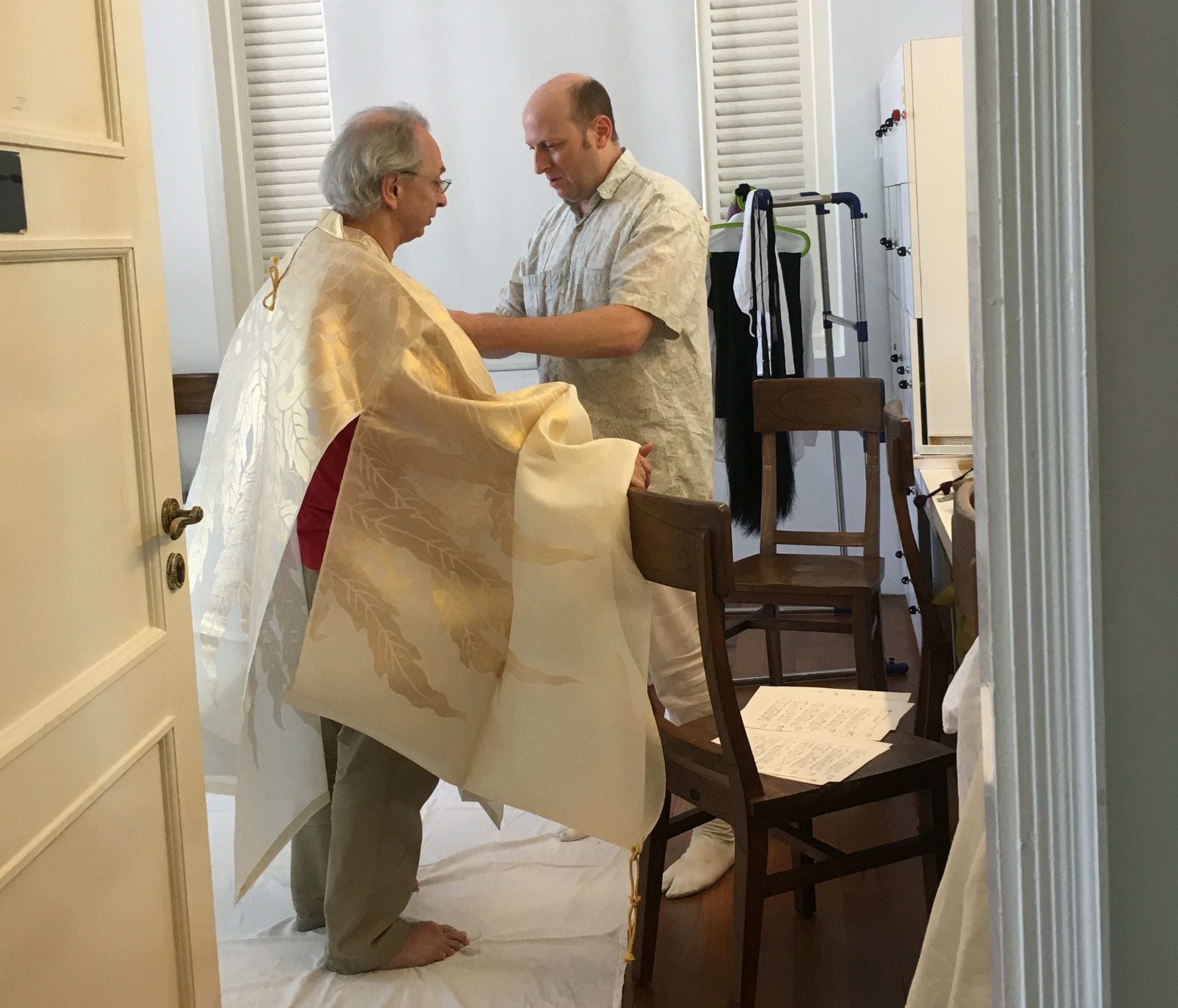
Preparing for the performance at the Arts House (Photographer: Lim Beng Choo)
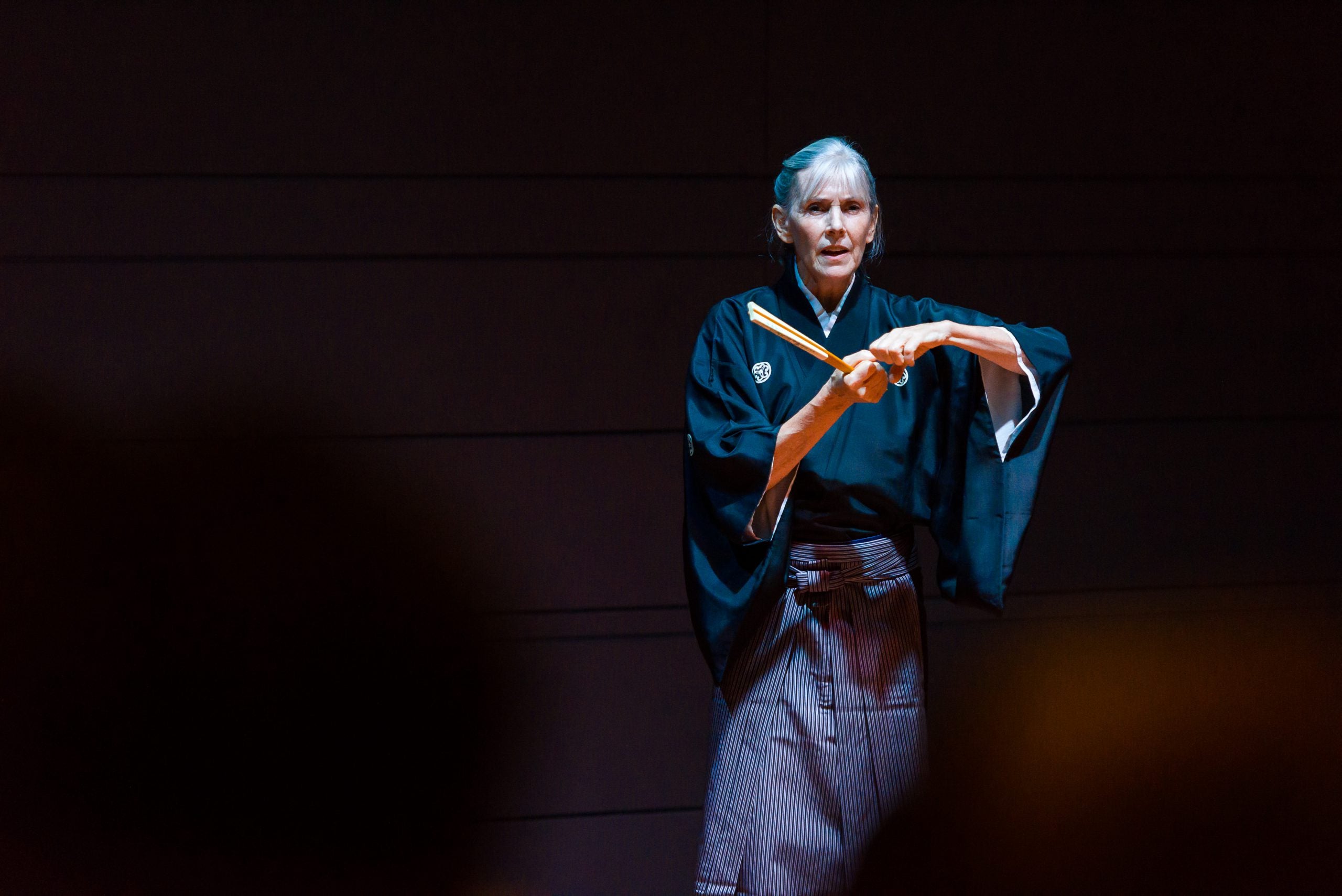
Demonstration by Elizabeth Dowd in the lecture-performance section of the Contemporary Tradition - Japanese Performance Genre Today conference(Photographer: Deng Weizhong)
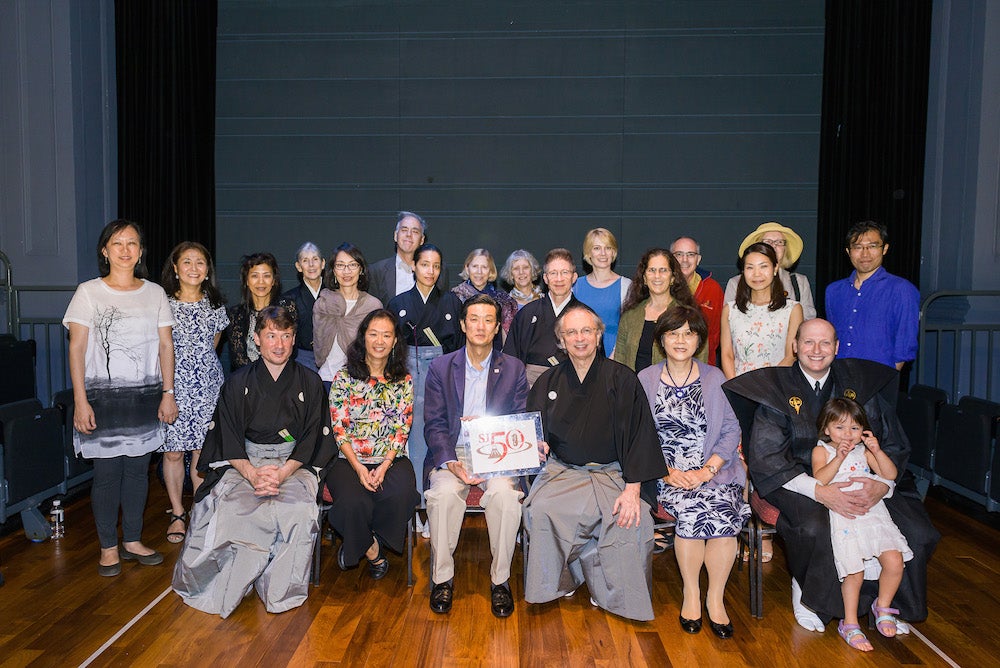
Group photo at the Arts House after the grand finale of the lecture-performance section of the Contemporary Tradition - Japanese Performance Genre Today conference (Photographer: Deng Weizhong)
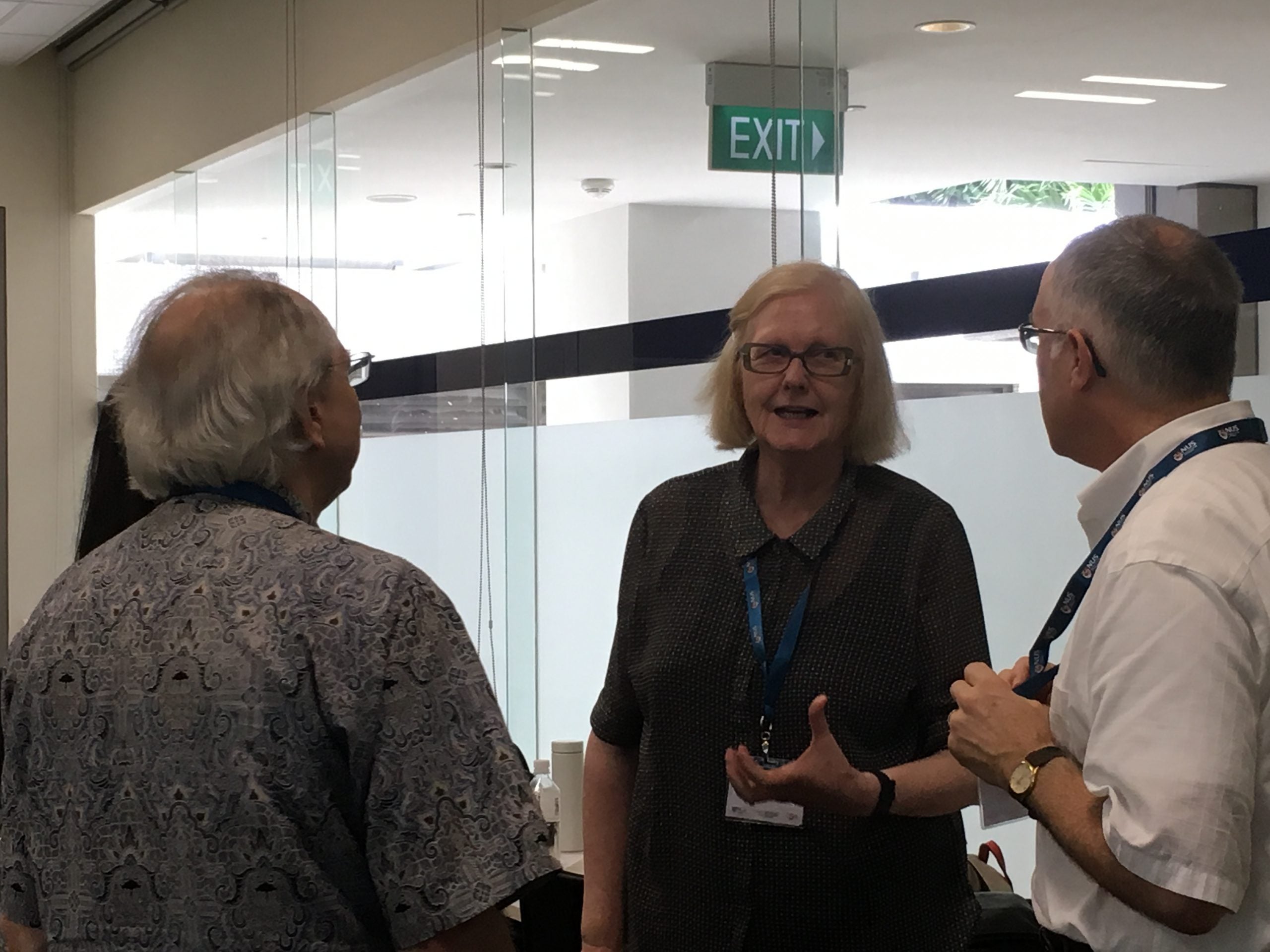
Participants Richard Emmert, Alison Tokita and François Rose (Photographer: Lim Beng Choo)
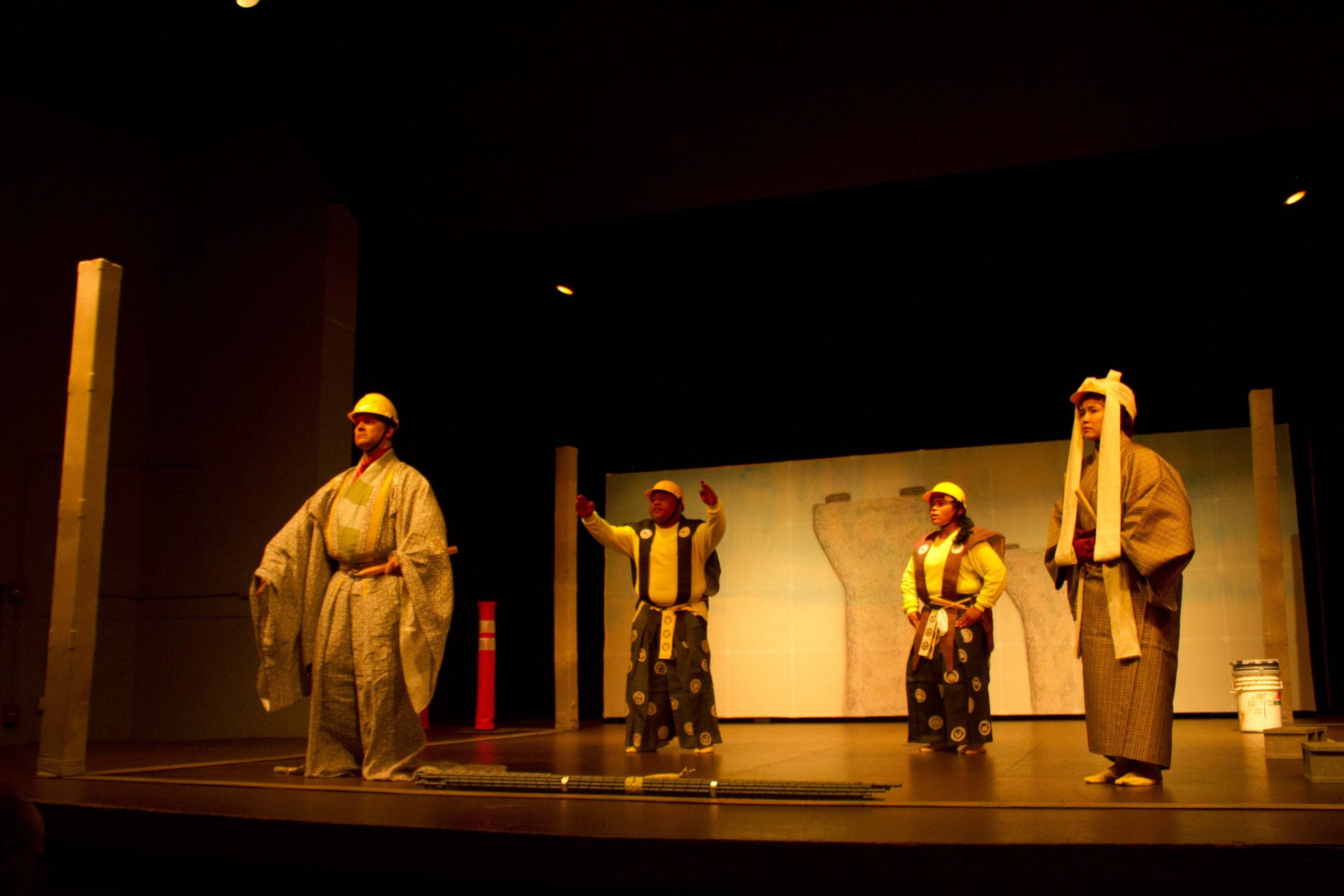
Modern kyogen play Derailed performed by students of University of Hawaii at Manoa (Photographer: John R. Wells)