

About Us
History of the Department
This history draws on Thomas Silcock's A History of Economics Teaching & Graduates: Raffles College and the University of Malaya in Singapore 1934–1960 (1985), the Department's own 50th-anniversary publication of 1984/85, and the recollections of Professor Lee Soo Ann (alumnus 1960; faculty member from 1962), with thanks.
1929–1933: Origins
Raffles College opened on 22 July 1929 in its purpose-built campus at 469 Bukit Timah Road. The College had two faculties, Arts and Science. Economics was taught from the start, but inside a "Department of Modern History and Economics" rather than as a discipline of its own. A third-year economics course was offered in the History Department, and George Allen, the Principal of the King Edward VII College of Medicine, was among those who pressed for a separate Department of Economics. The College Council eventually agreed. Late in 1933, the first Readership in Economics was advertised.
1934–1941: Foundation
The dedicated Department of Economics dates from late 1934, when Ralph Arakie arrived as the first Reader. Two students had enrolled in anticipation of his appointment: Tan Siew Sin, later Malaysia's Minister of Finance, and Lim Chin Hin. The Department in those first years had, in its own later phrasing, "one staff member and two students."
Arakie set the first full economics syllabus in the Raffles College Calendar for 1936–37. The Chair of Economics was established in 1937, and Thomas Silcock arrived from England in January 1938 to take up the chair as Professor of Economics. He was twenty-eight years old and would lead the Department for the next twenty-two years.
Goh Keng Swee graduated in 1939 with a Class II Diploma in Arts and special distinction in economics. He was among the most distinguished of the Department's first graduating cohort, and a future architect of modern Singapore. By 1940 the student Economic Society had grown to about seventy-five members. In the last term of 1941, classes were suspended when the Pacific War broke out. Silcock spent 1942 to 1945 interned at the Changi civilian internment camp.
1946–1959: Reconstitution and growth
Raffles College recommenced teaching in October 1946 with two economists on its staff. Silcock resumed as Professor. In 1948 and 1949 he undertook a study tour of Schools of Social Work in the United Kingdom, and on his return he set up Social Work as a programme within the Department in 1952. He recruited Jean Robertson from New Zealand to lead the diploma course, with Ann Wee on the founding part-time staff. The first Social Work diplomas were awarded in 1953 and a separate Department of Social Work spun off a few years later.
The University of Malaya was founded in October 1949 by the merger of Raffles College and the King Edward VII College of Medicine. Economics was taught within the Faculty of Arts. The first batch of Economics Honours graduates, three students, completed their degrees in 1951. The Department's external examiners through the 1950s read like a roll-call of the discipline: Sir Arthur Lewis from 1949, E. V. Morgan from 1952, Ragnar Nurkse from 1955, and later P. T. Bauer.
In 1956, members of the Department helped found the Malayan Economic Society (now the Economic Society of Singapore) and its journal, the Malayan Economic Review (today the Singapore Economic Review).
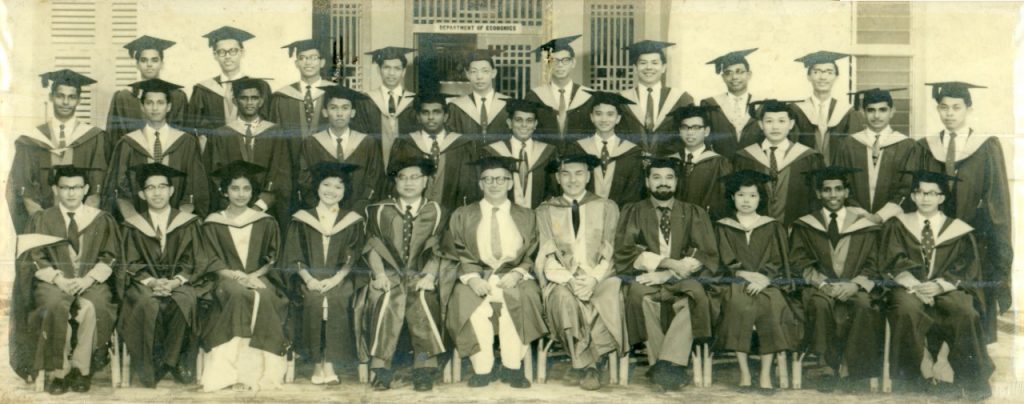
In 1959, Silcock resigned from the university and engineered the creation of two new Chairs of Economics, so that Lim Tay Boh in Singapore and Ungku Aziz in Kuala Lumpur could be appointed in successive years. They were local successors in both halves of what was, by then, a divided University of Malaya. Lim Tay Boh's appointment took effect in January 1960. He later became Vice-Chancellor of the University of Singapore. The 1960 graduating class included Lee Soo Ann and Amina Tyabji, who would both return to the Department as faculty members in the years that followed.
1962–1979: The University of Singapore years
The University of Singapore came into being in January 1962, with the Bukit Timah and Outram Road sites. The Kuala Lumpur division retained the name "University of Malaya." The Department continued to grow through the 1960s and 1970s, and its teaching expanded steadily into other faculties.
A separate Department of Business Administration was hived off in August 1965, with founding faculty and twenty-one students transferring from the Faculty of Arts. The new unit went through several rearrangements over the following decades, eventually becoming today's NUS Business School in 2002.
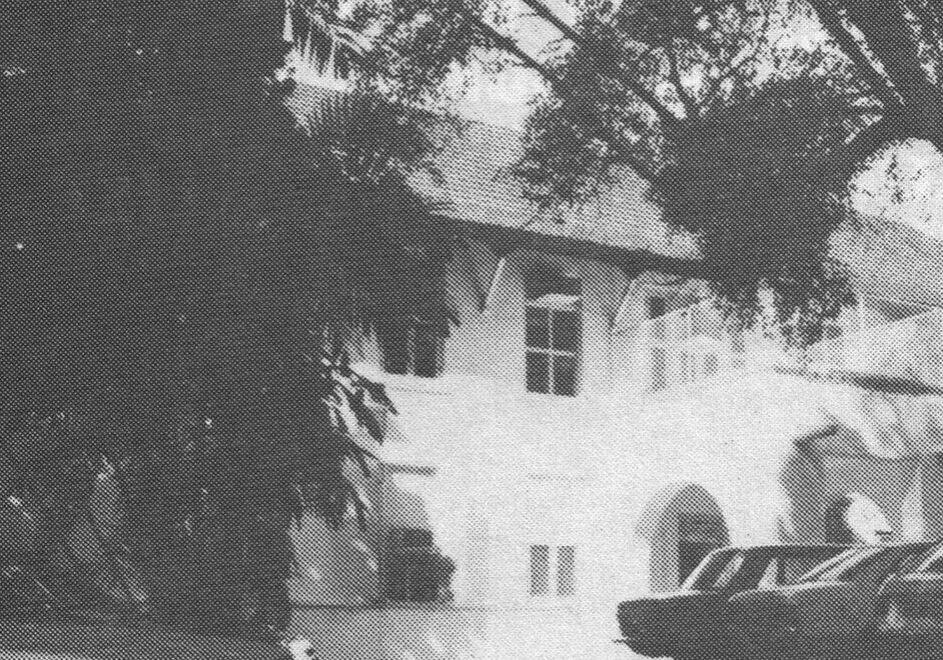
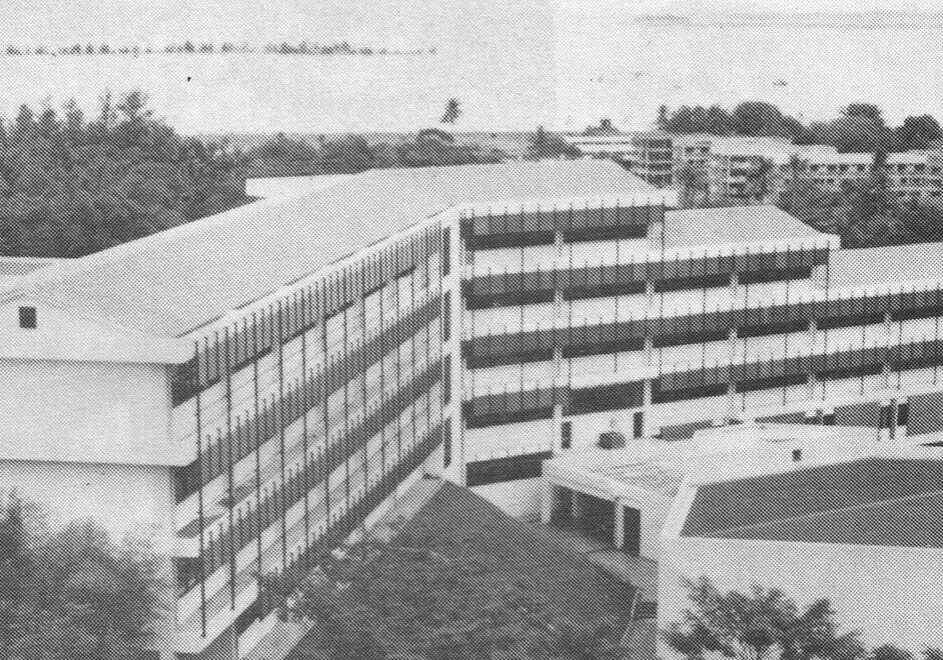
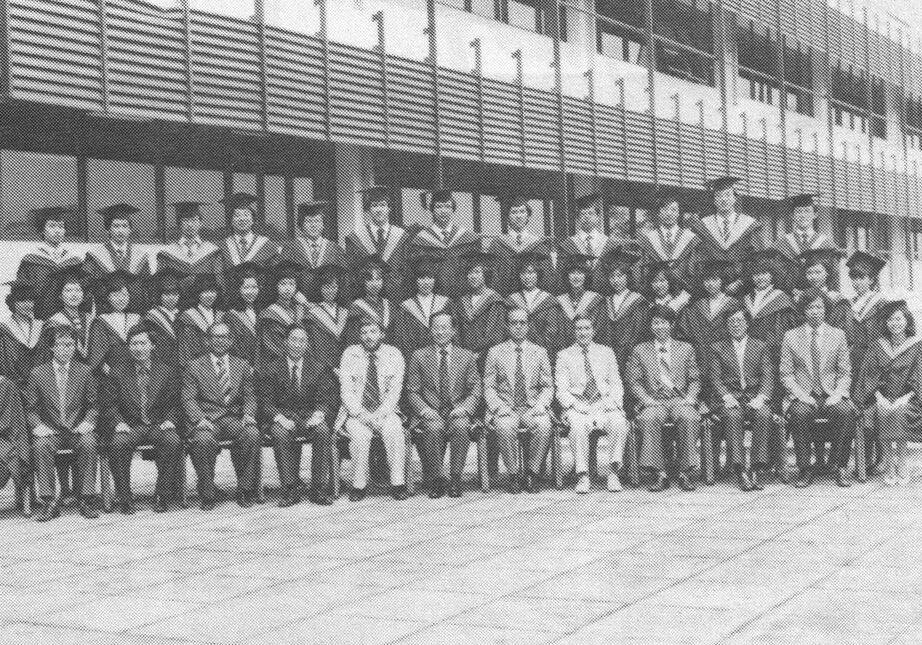
By 1970/71, the number of Economics Honours graduates each year had climbed to about forty, having been in the single digits for two decades. Through the 1970s, Statistics teaching also expanded, and in 1971/72 the Department was renamed the Department of Economics and Statistics. Lim Chong Yah was appointed Head of Department in 1977 and would lead the Department for the next fifteen years. From 1977/78, students in the Faculty of Science could take Economics as a full subject.
1980–1999: The NUS era and Golden Jubilee
The National University of Singapore was formed in 1980 by the merger of the University of Singapore and Nanyang University. The Department continued under Lim Chong Yah's headship. It grew rapidly under the Vice-Chancellorship of Lim Pin (1981–2000), whose expansion of the Senior Tutor scheme (sending Singaporean graduates abroad on government bond for doctorates and bringing them back as faculty) built the Department's research culture.
In 1981, the Econometrics Studies Unit was established within the Department through a S$750,000 gift from Mr Khoo Pun Puat. A Direct Honours programme followed in 1982/83. In 1984/85 the Department marked its Golden Jubilee with a 50th-anniversary publication. By that point, its staff numbered sixty-five, and its enrolment in Economics and Statistics across five faculties stood at about 4,800.
Silcock's posthumous A History of Economics Teaching & Graduates was published by the Department in 1985, with the manuscript prepared for press by Lim Chong Yah. Lim ended his fifteen-year tenure as Head in 1992 and was conferred Professor Emeritus.
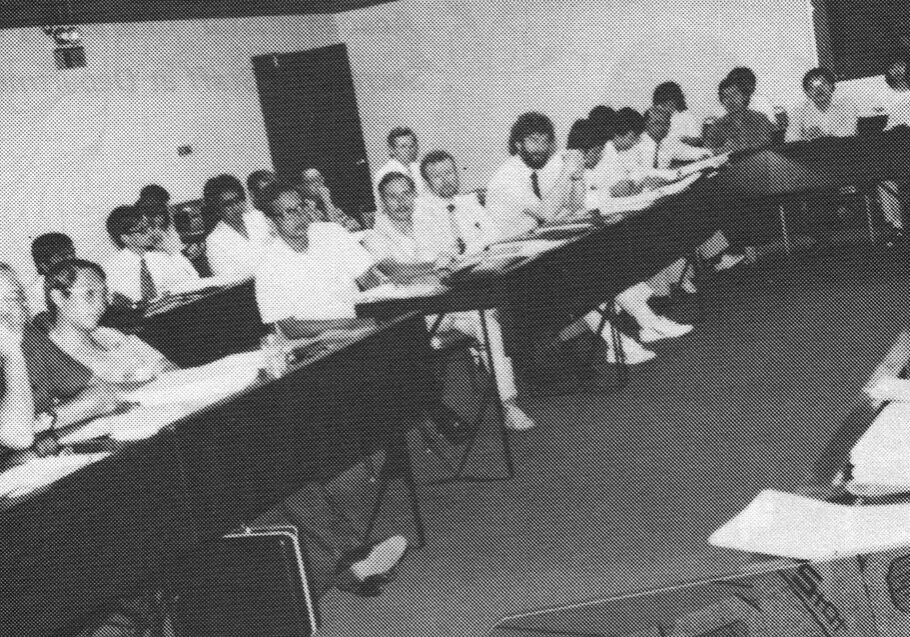
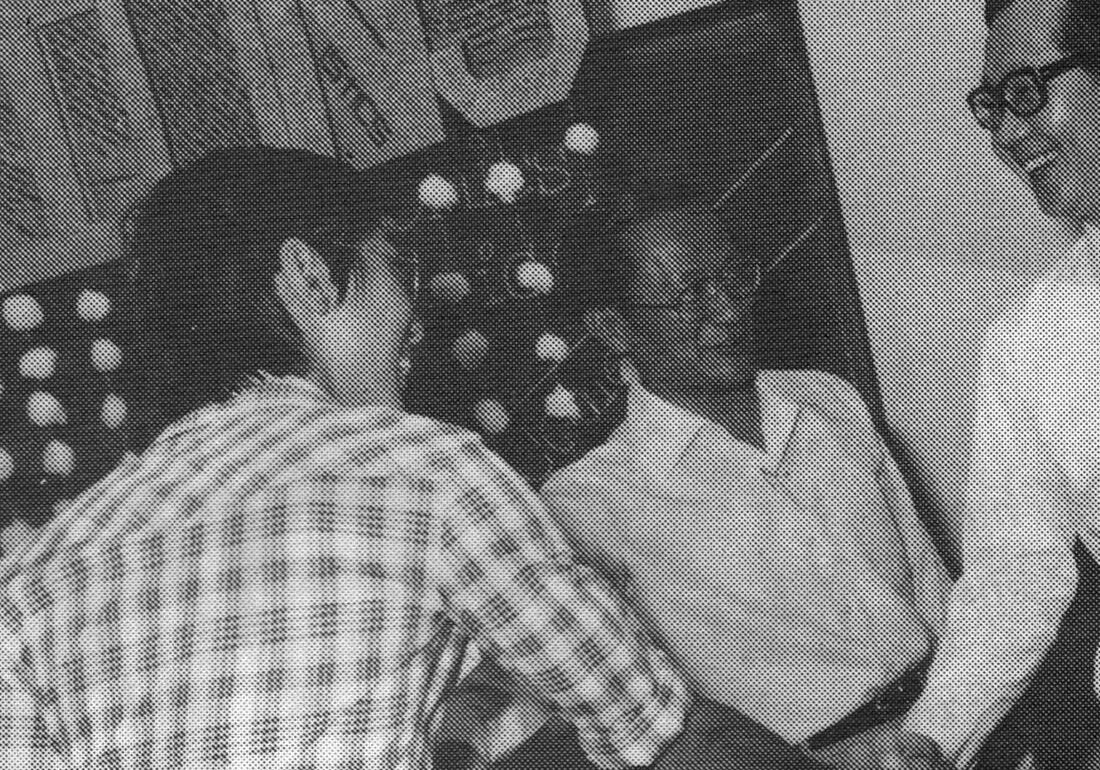

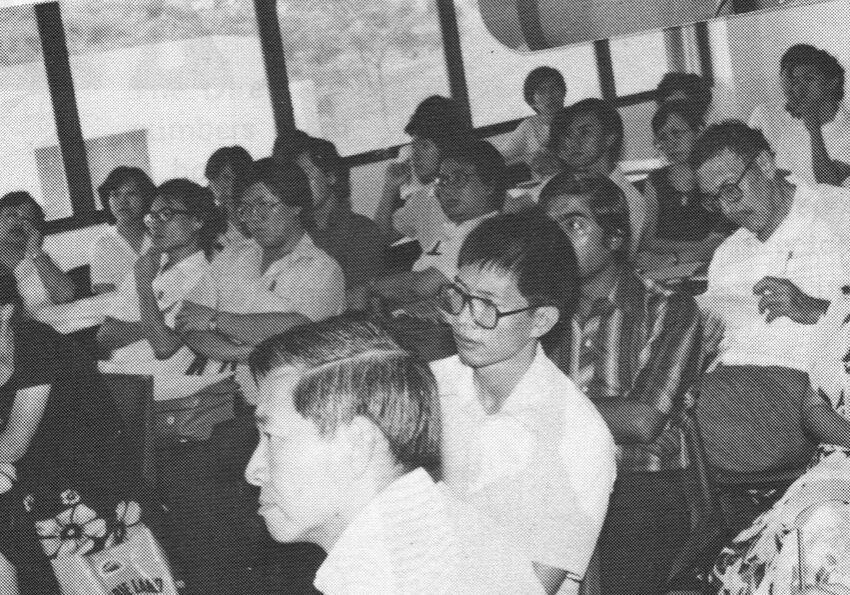
2000–present: A global research department
Vice-Chancellor Shih Choon Fong (2000–2008) framed NUS as "a Global Knowledge Enterprise" in his inaugural address on 1 June 2000. His tenure introduced American-style features at the university: an Assistant–Associate–Full Professor rank track, performance-based academic evaluation, the establishment of the NUS Overseas Colleges in 2001, and the founding of the International Alliance of Research Universities in 2006. The Department, with the rest of the Faculty of Arts and Social Sciences, had moved to the new Kent Ridge campus during the 1980s. It is now housed at AS2.
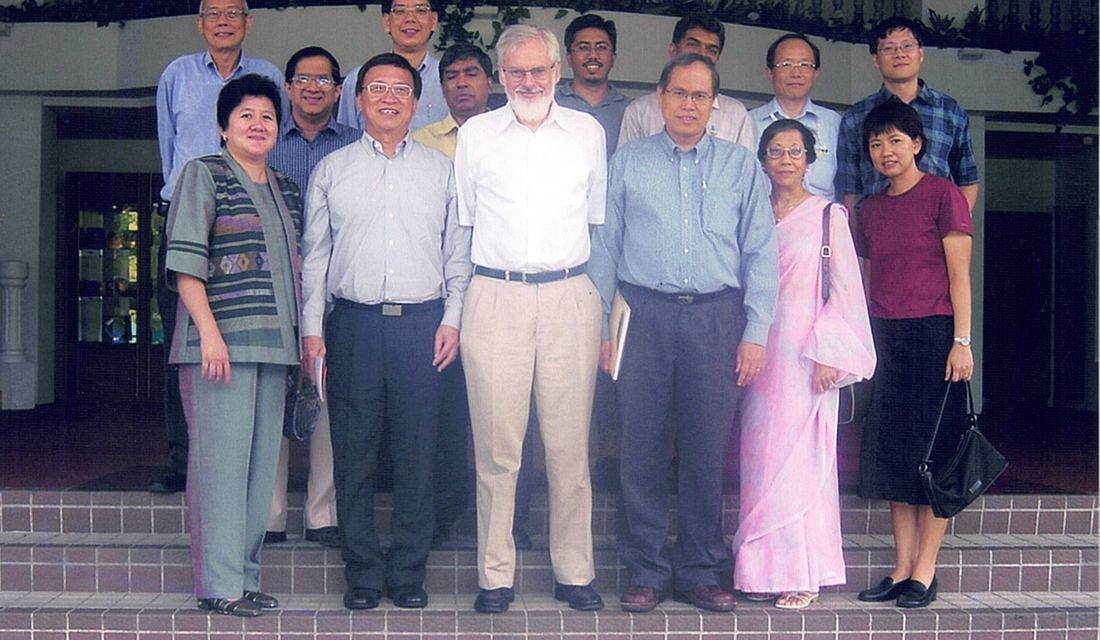
The Department now has around 70 full-time faculty members. It is also a main component of two Cross-Disciplinary Degree Programmes within the College of Humanities and Sciences: Philosophy, Politics and Economics, launched as a major in 2018 and reformatted in 2020 as one of the inaugural programmes of the College, and Data Science and Economics, launched in 2021 jointly with the Department of Statistics & Data Science and the Department of Mathematics. Its master's programmes admit around 230 students each year, and its doctoral programme admits around 12 each year.
Sources
- Silcock, Thomas H. (1985). A History of Economics Teaching & Graduates: Raffles College and the University of Malaya in Singapore 1934–1960. Singapore: Department of Economics and Statistics, National University of Singapore. (NLB call number RSING 378.5957 SIL.)
- Department of Economics and Statistics, National University of Singapore (1984/85). Golden Jubilee 1934–1984 (50th-anniversary publication).
- NUS News, "A legacy of excellence: Celebrating 95 years of research and educational innovation at the NUS Faculty of Arts and Social Sciences."
- NUS Bulletin entries for the Department of Economics, the College of Humanities and Sciences, and the Cross-Disciplinary Degree Programmes.
- NUS Vice-Chancellor biographical profiles for Lim Pin and Shih Choon Fong (NUS Corporate Communications).
- National Library Board Singapore, BiblioAsia: "No Mere Interlude: The University of Malaya in Singapore" (Vol. 22, Apr–Jun 2026).
- National Library Board Singapore, Infopedia entries for Raffles College, the King Edward VII College of Medicine, Nanyang University, and the National University of Singapore.
- NUS Business School, History & Milestones (departmental web page).
- NUS Faculty of Arts and Social Sciences, "In Memoriam: Professor Emeritus Lim Chong Yah" (13 July 2023).
- Personal recollection: Professor Lee Soo Ann, alumnus of the Department (1960) and faculty member from 1962.