
Training Programmes

Short Course Registration
Interested applicants can register for SSR Short Courses via NUS L3AP Portal.
Upcoming Short Courses
Collection Methods for Child and Adolescent Data (Oct 2026)
Date
28 October 2026
Time
9:00AM – 6:00PM
Venue
NUS Kent Ridge Campus (The Shaw Foundation Building, Block AS7)
Trainer
Dr Seah Lay Hoon
Effective Use of Theory of Change for Social Services (TBC)
Date
TBC
Time
9:00AM – 6:00PM
Venue
NUS Kent Ridge Campus (The Shaw Foundation Building, Block AS7)
Trainer
Dr Robyn Tan
Past Short Courses
2026
- 12 May : Effective Use of Theory of Change for Social Services
- 30 Apr : Effective Use of Theory of Change (Corporate-run)
- 22 Apr : Survey Design and Analysis
- 30 Mar : Participatory Research for Social Services
- 15 Jan : Effective Use of Theory of Change for Social Services
2025
- 5 Nov : Introduction to Realist Evaluation for Social Services
- 21 Aug : Effective Use of Theory of Change (Corporate-run)
- 14 May : Effective Use of Theory of Change (Corporate-run)
- 13 Feb : An Introduction to Diverse Methods for Collecting Data from Children and Adolescents
- 20 Jan : Participatory Research for Social Services
2024
- 5 & 6 Aug : Critical Discourse Analysis for Social Services
- 4 Jul : Introduction to Realist Evaluation for Social Services
- 18 Apr : Effective Use of Theory of Change for Social Services
- 27 Mar : An Introduction to Diverse Methods for Collecting Data from Children and Adolescents
- 29 Feb : Survey Design and Analysis
- 31 Jan : Participatory Research for Social Services
- 18 Jan : Effective Use of Theory of Change for Social Services
- 15 Jan - 15 Apr : Research Skills for Social Services Mentoring Programme
2023
- 20 Nov - 20 Feb : Research Skills for Social Services Mentoring Programme
- 16 Nov : Survey Design and Analysis
- 1 Nov : Effective Use of Theory of Change for Social Services
- 25 Oct : Participatory Research for Social Services
- 12 Oct : Effective Use of Theory of Change for Social Services
- 11 - 12 Sep : Critical Discourse Analysis for Social Services
- 3 Aug : Implementation Research for Social Services
- 3 Aug - 3 Nov : Implementation Research for Social Services Mentoring Programme
- 2 Aug - 3 Nov : Research Skills for Social Services Mentoring Programme
- 6 Jul : Introduction to Realist Evaluation for Social Services
- 11 May : Effective Use of Theory of Change for Social Services
- 8 May : Participatory Research for Social Services
- 27 Apr : Effective Use of Theory of Change for Social Services
- 25 Apr - 25 Jul : Research Skills for Social Services Mentoring Programme
- 12 Jan - 12 Apr : Research Skills for Social Services Mentoring Programme
2022
- 10 Nov : Introduction to Realist Evaluation for Social Services
- 13 - 14 Sep : Critical Discourse Analysis for Social Services
- 1 Aug - 1 Nov : Research Skills for Social Services Mentoring Programme
- 1 Jul : Participatory Research for Social Services
- 12 May - 13 May : Introduction to Realist Evaluation for Social Services
- 17 Jan - 11 Apr : Implementation Research for Social Services Mentoring Programme
- 17 Jan - 11 Apr : Research Skills for Social Services Mentoring Programme
- 17 Jan : Implementation Research for Social Services
2021
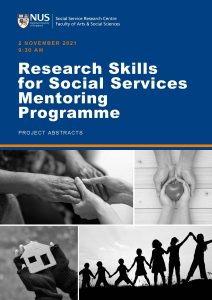
- 2 Aug - 2 Nov : Research Skills for Social Services Mentoring Programme
- 5 Oct : Participatory Research for Social Services
- 10 Aug - 11 Aug : Critical Discourse Analysis for Social Services
- 28 Jul - 29 Jul : Introduction to Realist Evaluation for Social Services
- 12 Jul - 13 Jul : Implementation Research for Social Services
- 11 Mar : Participatory Research for Social Services
- 9 Mar : Introduction to Realist Evaluation for Social Services
2020
- 26 Nov : Participatory Research for Social Services
- 23 Nov : Introduction to Realist Evaluation for Social Services
- 21 Aug - 17 Nov : Research Skills for Social Services (13 weeks)

- 2 Mar : Participatory Research for Social Services
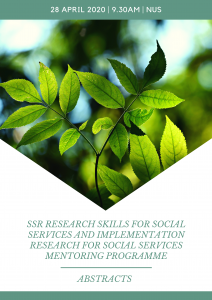
- 5 Feb - 28 Apr : Research Skills for Social Services (13 weeks)
- 4 Feb & 11 Feb : Workshop on Implementation Research for Social Services
- 4 Feb - 28 Apr : Implementation Research for Social Services (13 weeks)
2019
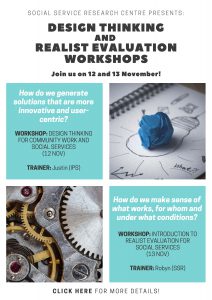
- 12 Nov : Design Thinking for Community Work and Social Services
- 13 Nov : Introduction to Realist Evaluation for Social Services
- 24 Jan - 17 Apr : Research Skills for Social Services (13 weeks)
- 23 Jan - 30 Jan : Workshop on Implementation Research for Social Services
- 23 Jan - 17 Apr : Implementation Research for Social Services (13 weeks)
2018
- 6 Aug - 1 Nov : Research Mentoring Programme (13 weeks)
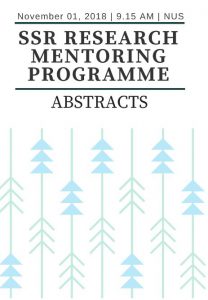
- 30 Aug : Quantitative and Quantitative Analyses for Practice-Research
- Introduction to Realist Evaluation for Social Services
2017
- 2 Nov : Research Mentoring Programme (13 weeks)
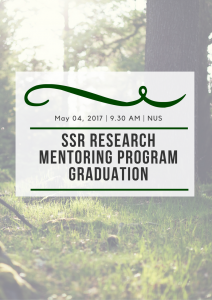
- 4 May : Research Mentoring Programme (13 weeks)