
News
New Centre for Computational Social Science and Humanities at NUS to advance interdisciplinary research on complex societal challenges
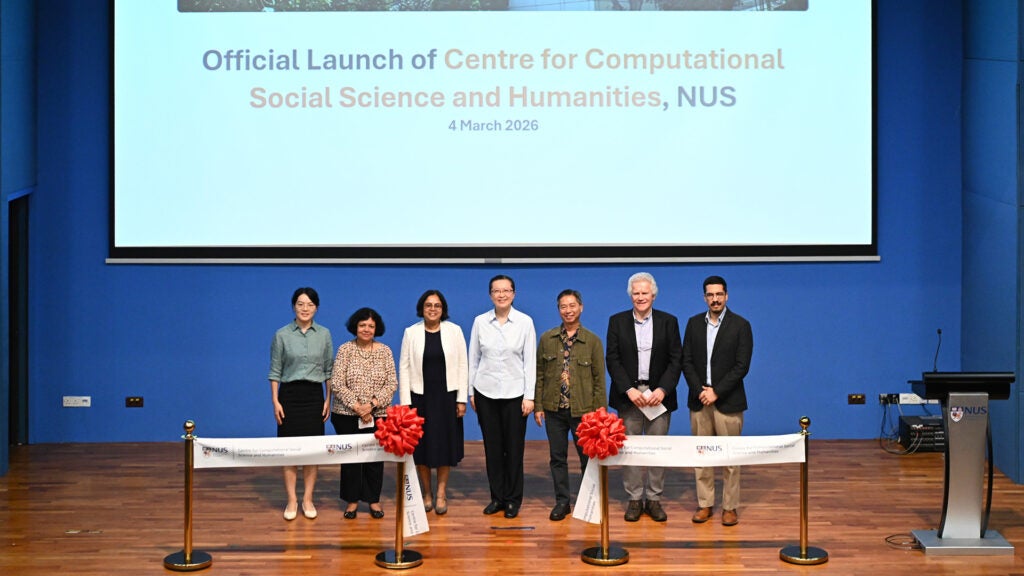
A new research centre at the National University of Singapore (NUS) is bringing together data science, AI and computational methods with deep insights from social sciences and humanities to better understand complex social phenomena and develop solutions to pressing societal challenges. By combining technological innovation with human insight, the Centre for Computational Social Science and Humanities (CSSH) aims to generate research that improves lives, strengthens institutions, preserves cultural knowledge, and shapes more inclusive and resilient societies in Singapore and beyond.
Officially launched today, CSSH is the first in Singapore to systematically bring together computational social science and the humanities within a single centre to bridge research, policy and real-world applications.
The Centre draws on expertise across disciplines including computing, new media, linguistics, geography, public policy and healthcare, amongst others. This interdisciplinary foundation enables CSSH to examine how digital technologies intersect with social systems, such as assessing the societal implications of AI-enabled platforms, using digital tools to help preserve Singapore's cultural heritage, and strengthening digital literacy in vulnerable communities.
NUS Deputy President (Research and Technology) Professor Liu Bin said, "Rapid advances in digital technologies and AI are transforming our world. But technological breakthroughs are only as valuable as the difference they make to peoples' lives. CSSH reflects NUS' commitment to ensuring that innovation translates to tangible improvements in how we live, work and build stronger communities. By integrating computational methods with social science and humanities, the Centre will help translate research insights into policies and practices that deliver real-world impact."
She added that the Centre complements Singapore's broader push for innovative, responsible harnessing of technology and AI which emphasises that progress should be not only technically advanced, but trusted, inclusive and grounded in real social needs.
Driving real-world impact through interdisciplinary innovation
CSSH is led by Co-Directors Professor Atreyi Kankanhalli from the NUS School of Computing and Professor Peter Millican from the NUS Faculty of Arts and Social Sciences. The Centre supports both seed funding for emerging ideas and larger projects, all designed to generate real-world impact.
Prof Kankanhalli said, "What distinguishes CSSH is our ability to study human behaviour, institutions and societies at a scale and depth that was not previously possible. By combining computational methods with rich domain expertise in the social sciences and humanities, we can uncover patterns, test ideas, and generate evidence that directly informs policy and practice. Our goal is not just to analyse social problems, but to help shape systems that work better for people."
Since beginning operations in the second half of 2024, CSSH has embarked on more than 50 interdisciplinary projects involving 105 researchers from across NUS and their external collaborators. The projects demonstrate the breadth of its work - from AI-enabled analysis of social media impacts to digital preservation of historical archives.
Amongst the major research projects currently being undertaken by CSSH is one titled "Computational Social Simulations for Aiding Policy Design", led by Prof Kankanhalli. In this five-year project, researchers from NUS and three other local universities are collaborating to develop an AI-driven social simulation platform for policymakers to help test and refine policy interventions before they are rolled out.
Using large language models (LLMs), the platform will model diverse public personas to enable policymakers to conduct swift preliminary testing of policy ideas. The simulations will complement traditional research methods by reducing the frequency of costly, time-consuming large-scale surveys and field studies during early policy development, while retaining real-world validation and community engagement at critical decision points. CSSH Deputy Director Associate Professor Dandan Qiao from the NUS School of Computing is also contributing her expertise to the project.
Another project titled "The Jawi AI Project", led by NUS Faculty of Arts and Social Sciences Associate Professor Miguel Escobar Varela, harnesses AI to enable large-scale transliteration and analysis of Jawi texts. Early Malay-language newspapers in Singapore, published between 1870 and 1970 were written in Jawi, a script few can read today.
In collaboration with the National Library Board (NLB), the team comprising local and foreign experts is transforming thousands of archived pages into searchable Malay text, significantly expanding the range of materials available at NLB's digitised archives. Assoc Prof Escobar Varela, who is also Deputy Director at CSSH, noted that the project could significantly expand research into Malay-language journalism and public debate in the region, broadening how Singapore's history is understood and taught.
Prof Millican highlighted that a core mission of CSSH is to break down the walls between disciplines. By connecting humanities and social science researchers with computing and data science experts, the Centre fosters collaborations that neither field could achieve alone. "Many of today's biggest challenges demand both deep specialist insight and serious technical firepower", he explained, "whether they involve untangling complex social issues, tackling health crises, anticipating future problems, or building the tools to address these. CSSH provides a natural home for such interdisciplinary conversations."
He added that the Centre looks forward to developing more projects addressing societal challenges to which computational insights can make the greatest difference. Focus areas include AI and emerging technologies, sustainability and environmental policy, population trends and demographic change, public health and social care, and the preservation and understanding of history and cultural heritage.
This story first appeared in NUSnews on 4 March 2026.
New Centre for Computational Social Science and Humanities at NUS to advance interdisciplinary research on complex societal challenges
A new research centre at the National University of Singapore (NUS) is bringing together data science, AI and computational methods with deep insights from social sciences and humanities to better understand complex social phenomena and develop solutions to pressing societal challenges. By combining technological innovation with human insight, the Centre for Computational Social Science and Humanities (CSSH) aims to generate research that improves lives, strengthens institutions, preserves cultural knowledge, and shapes more inclusive and resilient societies in Singapore and beyond.
Officially launched today, CSSH is the first in Singapore to systematically bring together computational social science and the humanities within a single centre to bridge research, policy and real-world applications.
The Centre draws on expertise across disciplines including computing, new media, linguistics, geography, public policy and healthcare, amongst others. This interdisciplinary foundation enables CSSH to examine how digital technologies intersect with social systems, such as assessing the societal implications of AI-enabled platforms, using digital tools to help preserve Singapore's cultural heritage, and strengthening digital literacy in vulnerable communities.
NUS Deputy President (Research and Technology) Professor Liu Bin said, "Rapid advances in digital technologies and AI are transforming our world. But technological breakthroughs are only as valuable as the difference they make to peoples' lives. CSSH reflects NUS' commitment to ensuring that innovation translates to tangible improvements in how we live, work and build stronger communities. By integrating computational methods with social science and humanities, the Centre will help translate research insights into policies and practices that deliver real-world impact."
She added that the Centre complements Singapore's broader push for innovative, responsible harnessing of technology and AI which emphasises that progress should be not only technically advanced, but trusted, inclusive and grounded in real social needs.
Driving real-world impact through interdisciplinary innovation
CSSH is led by Co-Directors Professor Atreyi Kankanhalli from the NUS School of Computing and Professor Peter Millican from the NUS Faculty of Arts and Social Sciences. The Centre supports both seed funding for emerging ideas and larger projects, all designed to generate real-world impact.
Prof Kankanhalli said, "What distinguishes CSSH is our ability to study human behaviour, institutions and societies at a scale and depth that was not previously possible. By combining computational methods with rich domain expertise in the social sciences and humanities, we can uncover patterns, test ideas, and generate evidence that directly informs policy and practice. Our goal is not just to analyse social problems, but to help shape systems that work better for people."
Since beginning operations in the second half of 2024, CSSH has embarked on more than 50 interdisciplinary projects involving 105 researchers from across NUS and their external collaborators. The projects demonstrate the breadth of its work - from AI-enabled analysis of social media impacts to digital preservation of historical archives.
Amongst the major research projects currently being undertaken by CSSH is one titled "Computational Social Simulations for Aiding Policy Design", led by Prof Kankanhalli. In this five-year project, researchers from NUS and three other local universities are collaborating to develop an AI-driven social simulation platform for policymakers to help test and refine policy interventions before they are rolled out.
Using large language models (LLMs), the platform will model diverse public personas to enable policymakers to conduct swift preliminary testing of policy ideas. The simulations will complement traditional research methods by reducing the frequency of costly, time-consuming large-scale surveys and field studies during early policy development, while retaining real-world validation and community engagement at critical decision points. CSSH Deputy Director Associate Professor Dandan Qiao from the NUS School of Computing is also contributing her expertise to the project.
Another project titled "The Jawi AI Project", led by NUS Faculty of Arts and Social Sciences Associate Professor Miguel Escobar Varela, harnesses AI to enable large-scale transliteration and analysis of Jawi texts. Early Malay-language newspapers in Singapore, published between 1870 and 1970 were written in Jawi, a script few can read today.
In collaboration with the National Library Board (NLB), the team comprising local and foreign experts is transforming thousands of archived pages into searchable Malay text, significantly expanding the range of materials available at NLB's digitised archives. Assoc Prof Escobar Varela, who is also Deputy Director at CSSH, noted that the project could significantly expand research into Malay-language journalism and public debate in the region, broadening how Singapore's history is understood and taught.
Prof Millican highlighted that a core mission of CSSH is to break down the walls between disciplines. By connecting humanities and social science researchers with computing and data science experts, the Centre fosters collaborations that neither field could achieve alone. "Many of today's biggest challenges demand both deep specialist insight and serious technical firepower", he explained, "whether they involve untangling complex social issues, tackling health crises, anticipating future problems, or building the tools to address these. CSSH provides a natural home for such interdisciplinary conversations."
He added that the Centre looks forward to developing more projects addressing societal challenges to which computational insights can make the greatest difference. Focus areas include AI and emerging technologies, sustainability and environmental policy, population trends and demographic change, public health and social care, and the preservation and understanding of history and cultural heritage.
This story first appeared in NUSnews on 4 March 2026.
Welcome SSR Research Fellow Dr Hendra Goh!
It is our great pleasure to welcome Dr Hendra Goh to the Social Service Research Centre (SSR) as a Research Fellow.
It takes a “kampung”: Creating a sustainable ecosystem of care for everyone, by everyone
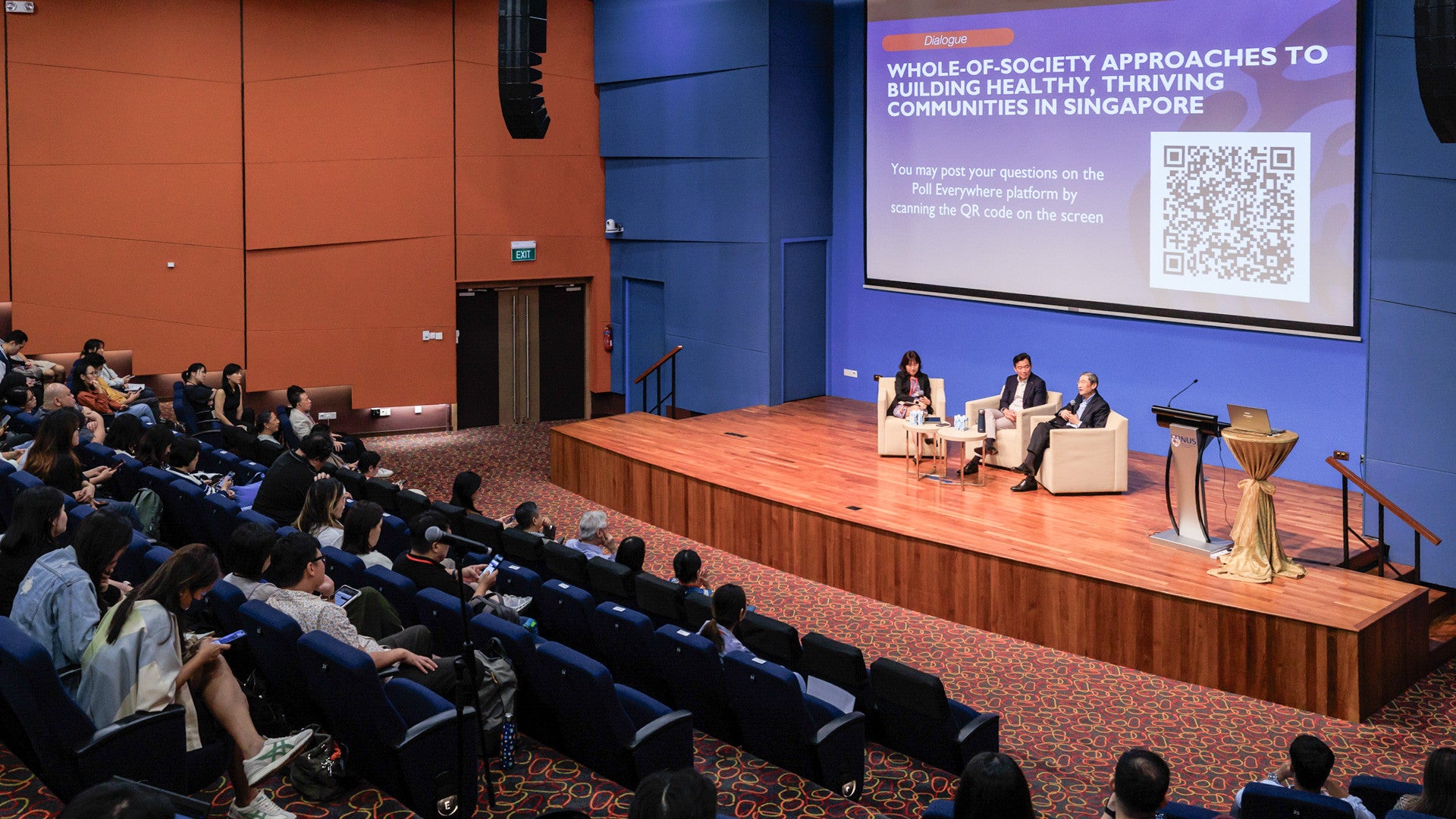
There was a time when neighbours in villages or kampungs kept an eye out for one another, shared food, and revelled in this shared sense of community and care.
As Singapore stands on the brink of becoming a "super-aged" society, with one in five citizens set to be over 65 by 2026, bringing back the kampung spirit, where everyone cares for everyone, might be the key to enabling healthy ageing here.
"This is neither a new formula for success, nor is there anything magical about it. I feel it is simply a resurrection or rejuvenation of our kampung spirit in action, where residents take ownership of their own health and look out for one another, alongside professionals and volunteers," said Mr Eric Chua, Senior Parliamentary Secretary for Social and Family Development, and for Law.
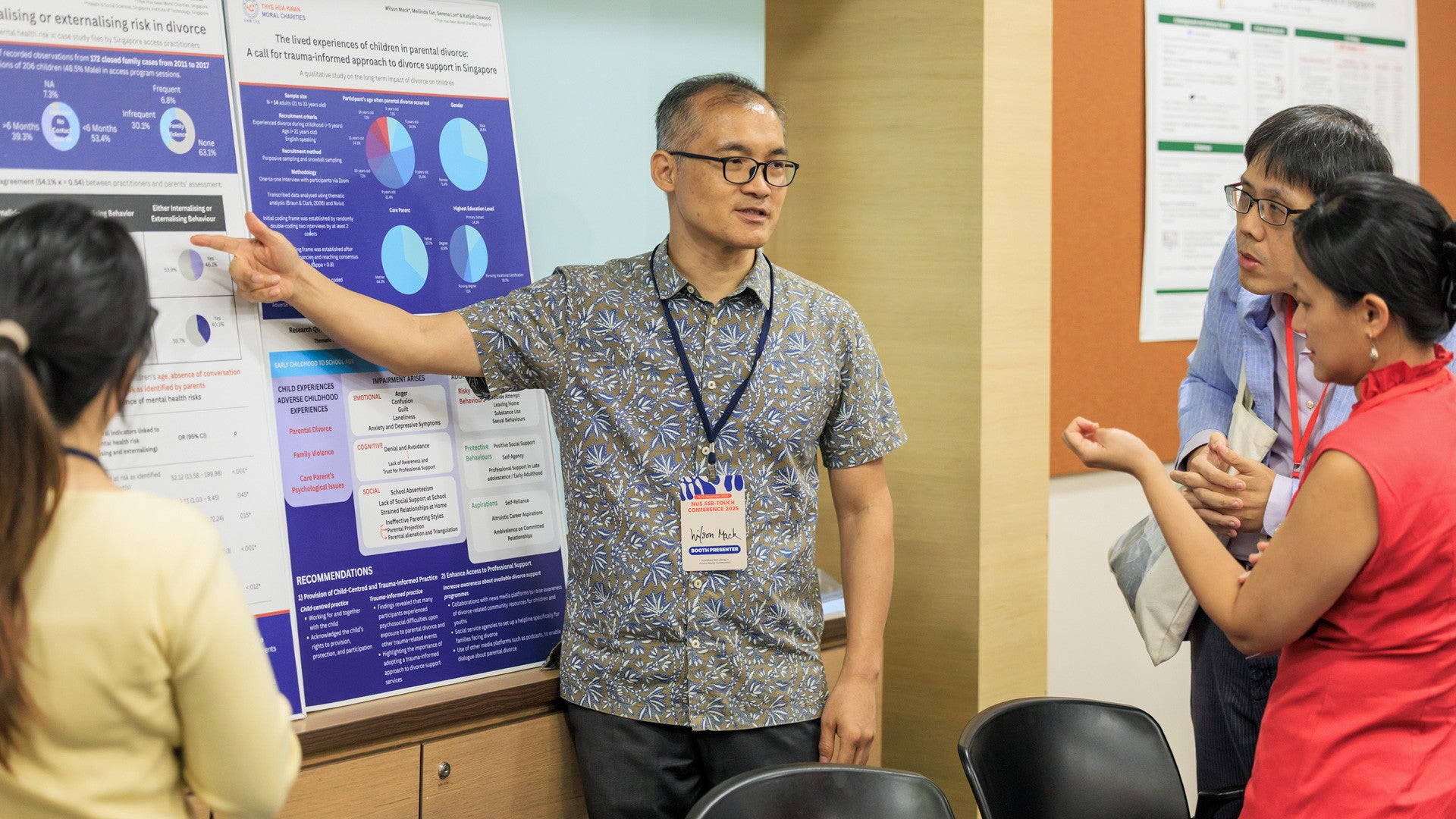
Speaking at the NUS SSR-TOUCH Conference, jointly organised by the NUS Social Service Research Centre (SSR) and TOUCH Community Services, Mr Chua said achieving positive health and well-being outcomes for all requires everyone's effort.
"Building a healthier Singapore that focuses on ageing well by going upstream, starting young, means all of us must pitch in: government, community organisations, family members, and individuals. We must all work together and play an active part in addressing social-health challenges," he added.
Themed "Sustained Well-Being in Future-Ready Communities", the conference, held on 11-12 November 2025, brought together about 300 participants from academia, research, practice, and policymaking. The goal was to advance dialogue and strengthen sectoral capabilities in social service research, evidence-to-practice translation, sustainable collaborations, and impact measurement.
Discussions focused on topics such as the use of technology and AI in social service planning and delivery, the importance of disability inclusion in building strong communities, and the challenges and opportunities for healthy longevity.
Strengthening the caregiving circle
One key focus of the NUS SSR-TOUCH Conference was supporting caregivers, an essential part of the kampung ecosystem. Grandparents, in particular, were highlighted as important caregivers in the family structure.
"There's a need for much more research on respite for custodial grandparents and other things that we generally grant parents," said Professor Premchand Dommaraju, Associate Professor of Sociology and Director of the Master of Science in Applied Gerontology programme at Nanyang Technological University, who presented on the topic.
He suggested policies such as childcare leave and flexible work arrangements for grandparents, citing Sweden's 2024 Parental Leave Reform as an example; the reform allows parents to transfer up to 45 days of paid parental leave to grandparents and other child caregivers.
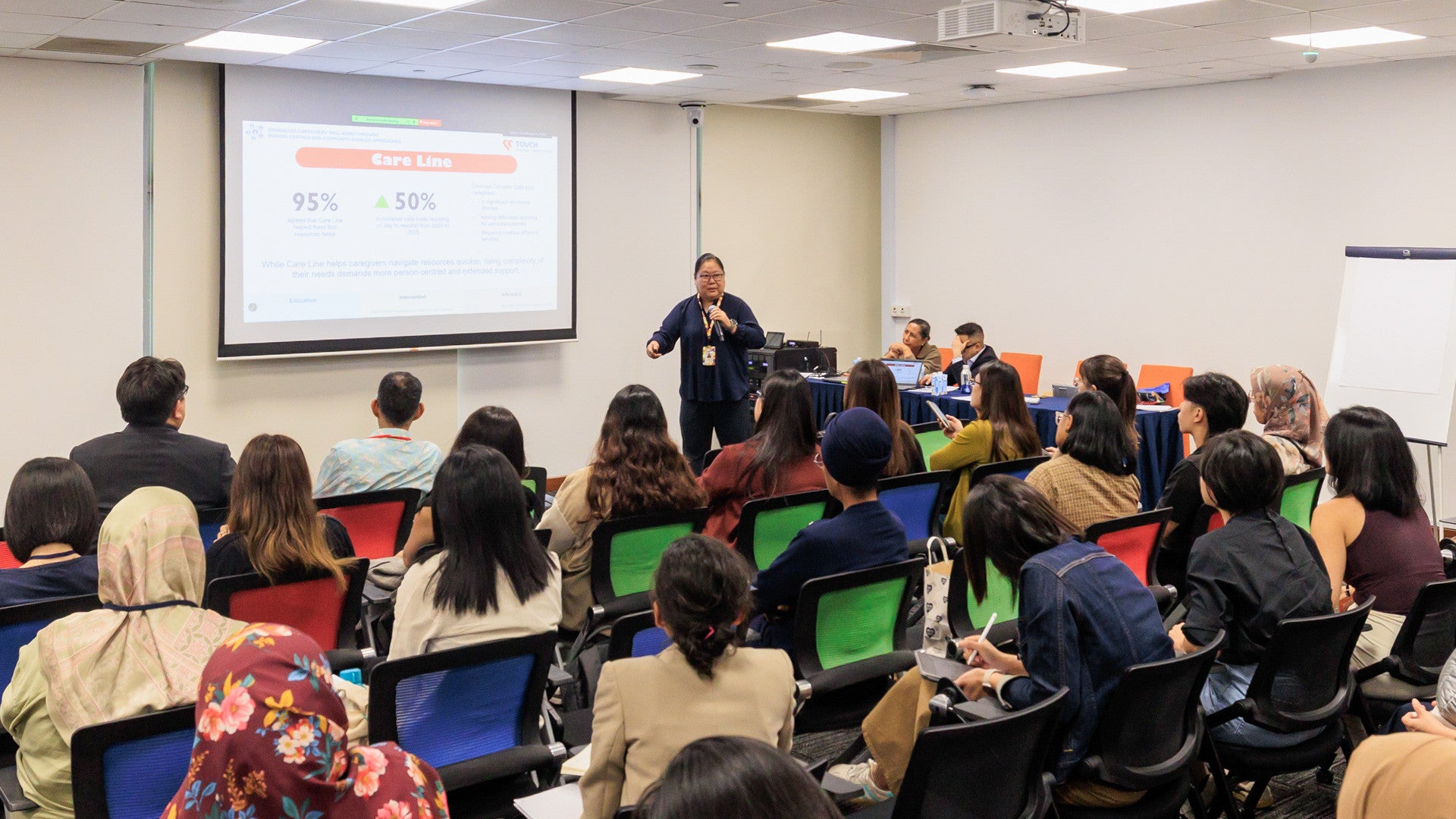
Ms June Sim, Group Head of TOUCH Caregivers Support Group, also underscored the need for proper support systems for caregivers. "Instead of thinking of caregivers as care deliverers, I encourage you to think of caregivers as people with their own needs and aspirations," she said. Caregiver helplines, online communities, and raising awareness about caregiver challenges are necessary initiatives to support them, she added.
Designing together for stronger neighbourhoods
Another important area of discussion at the conference was the need to co-create programmes among stakeholders, as community initiatives cannot be created in silos.
Professor John Eu-Li Wong, Co-Chair of the Health District @ Queenstown (HD@QT) Steering Committee, who spoke on the initiative at the conference, emphasised this point, saying, "Things don't work if you develop something for somebody else. We must involve the person we're trying to develop for because that's how they own it, and that's how the chances of success are so much higher."
HD@QT is a multi-stakeholder initiative spearheaded by NUS, National University Health System (NUHS), and the Housing & Development Board (HDB), bringing together partners from the public, private, and people sectors to develop lasting health and social solutions in Singapore.
Among the projects that have made an impact are Happy Village @ Mei Ling, a community space staffed by a team of healthcare and social workers who work closely with residents to co-develop personalised care plans, and "Come 4Tea Lah!", a collaborative space where residents of all ages can come together to co-design community activities.
Prof Wong described "Come 4Tea Lah!" as "thriving", with residents themselves spearheading activities such as "yum cha" (tea drinking) sessions with board games, sing-alongs, monthly birthday celebrations for all ages (funded by residents), and the Woofy Club, a 120-strong group of dog-lovers who meet regularly to share tips on obedience training. These initiatives are complemented by other regular activities such as educational talks by NUS and health screenings by NUHS.
"Our commitment is: not only do we collect the data, we also share it with the residents, and then we co-create the solution. We have them in the planning, and actually have them take a seat at the table in designing the intervention," said Prof Wong.
When carers get "sandwiched"
Many Singaporean adults today face the pressure of having to care for their elderly parents or family members while raising children of their own. This 'sandwiched generation' phenomenon can be particularly stressful for those with large families or low incomes.
Associate Professor Noor Aisha bte Abdul Rahman from the Department of Malay Studies at the NUS Faculty of Arts and Social Sciences highlighted that Malay family units tend to be larger, often including three to four children and elderly relatives living in the same household.
As such, Assoc Prof Noor Aisha said that Malay Muslim caregivers - particularly women - shoulder the heavy burden of being "sandwiched caregivers", juggling both eldercare and childcare. They often face concurrent challenges, such as health and well-being gaps, social isolation and burnout risk, as well as financial insecurity and employment barriers.
"Supporting them requires a coordinated effort," said Dr Ad Maulod, Principal Research Scientist at the Centre for Ageing Research & Education at Duke-NUS Medical School, who also presented on the topic. He cited raising health and well-being literacy, as well as quality and accessibility of health and social support services, as key to helping these sandwiched caregivers.
To better support our communities, Assoc Prof Noor Aisha stressed that social support systems should be caregiver-centric - programmes should be co-created with caregivers, rather than designed for them - to ensure timely and meaningful support. Such an approach is essential for supporting sandwiched caregivers across all demographic groups in Singapore.
Commenting on the success of the conference, Associate Professor Lee Jungup, SSR Co-Director said that the event has shown that it truly 'takes a kampung' to build a sustainable ecosystem of care - not just for older persons or caregivers, but for every generation in Singapore.
"By bringing together researchers, practitioners, policymakers and community partners, the NUS SSR-TOUCH Conference has created a shared space to listen, learn and co-create solutions grounded in real lives and real neighbourhoods. As we move towards a super-aged, future-ready society, our hope is that these collaborations will translate into concrete, community-led initiatives that sustain well-being for everyone, by everyone," said Assoc Prof Lee.
This story first appeared in NUSnews on 12 December 2025.
Time Poverty among the Young Working Poor: A Pathway from Low Wage to Psychological Well-being through Work-to-Family-Conflict
The implementation of the enhanced Workfare Income Supplement (WIS) scheme at the beginning of 2025 will benefit around half a million Singaporeans through increased payouts and expanded coverage. The income eligibility cap for low-wage workers was raised from S$2,500 to S$3,000 a month, providing greater financial support and fostering continued wage growth. During his Budget 2024 speech, Prime Minister Lawrence Wong noted that this adjustment ensures that lower-wage workers are continually covered even as their wages increase. Addressing the income inequality gap in Singapore has been a contentious topic among socioeconomic classes for some time. While various economic policies have been implemented to uplift lower-wage workers and reduce disparities in wages, some experts argue that inequality extends beyond economic factors to include the amount of time workers have outside of work. This raises an important question: Are the wage-poor also more time-poor? In ‘Time Poverty among the Young Working Poor: A Pathway from Low Wage to Psychological Well-being through Work-to-Family-Conflict’ (Journal of Family and Economic Issues, 2024), Professor Irene Y. H. Ng (NUS Social Work), Zhi Han Tan (NUS Social Service Research Centre), and Assistant Professor Gerard Chung (NUS Social Work) created a measure of work-based time poverty and conceptualised work-based time poverty to include not only the number of hours at work, but also other variables such as low wage, long hours, nonstandard hours, and uncontrollable hours. The researchers found that non-standard and uncontrollable hours mediate the relationship between low wage and psychological well-being for young people in Singapore. Crucially, while both low and higher wage respondents worked high numbers of hours and were generally time constrained in terms of hours, low-wage workers were additionally time poor due to the poorer quality of their work time. The low-wage young workers in this study took on jobs that involved duties with more nonstandard hours like regular graveyard shifts or unexpected work-hours changes. Such shift work often leaves them too tired to participate in family activities, which in turn imposes psychological stresses. The inability to balance work and family life can lead to reduced self-efficacy and increased self-doubt. Over time, these issues may develop into clinical mental health problems, hindering career advancement and further entrenching them in poverty. This situation creates a double whammy for low-wage workers, who not only face financial constraints but also experience significant time poverty. The implications of time poverty extend beyond mere inconvenience, affecting various aspects of their lives, including family dynamics, psychological well-being, and overall quality of life. Addressing income poverty without tackling time poverty is insufficient, as wage improvement policies can lead to employer workarounds that short-change employees through practices like leave withholding, and time off penalties. Policymakers and employers must collaborate on measures to alleviate workplace time poverty beyond the control of young workers themselves. By tackling these issues alongside wage improvements, low-wage workers can improve their chances of breaking the poverty cycle and achieving greater economic mobility. Read the article here.
NUS News article on SSR-TOUCH Conference
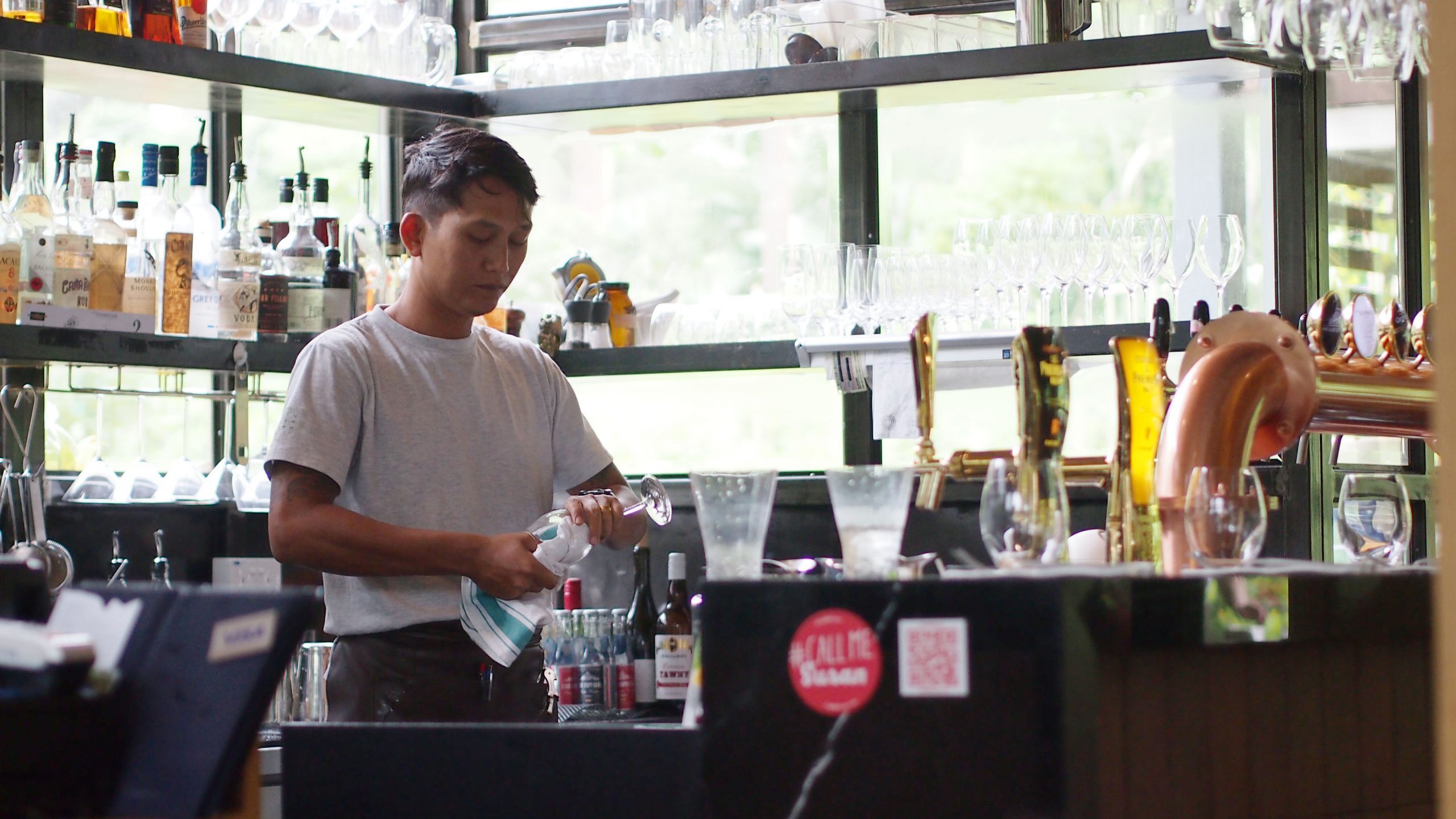
The recent NUS SSR-TOUCH Conference 2025 aimed to advance conversations and strengthen sectoral capabilities in social service research, evidence-to-practice translation, sustainable collaborations, and impact measurement. NUS News covered the event in their article, titled "It takes a "kampung": Creating a sustainable ecosystem of care for everyone, by everyone".
Commenting on the success of the conference, Associate Professor Lee Jungup, SSR Co-Director said that the event has shown that it truly 'takes a kampung' to build a sustainable ecosystem of care - not just for older persons or caregivers, but for every generation in Singapore.
"By bringing together researchers, practitioners, policymakers and community partners, the NUS SSR-TOUCH Conference has created a shared space to listen, learn and co-create solutions grounded in real lives and real neighbourhoods. As we move towards a super-aged, future-ready society, our hope is that these collaborations will translate into concrete, community-led initiatives that sustain well-being for everyone, by everyone," said Assoc Prof Lee.
Please click here to read the full article.
2025 Year in Review
Dear friends of SSR, we have published our annual year-end report. We are grateful for the continued support of our partners and collaborators. As we celebrate ten years of advancing research and practice in the social services, we look forward to building on these foundations in the coming year. Please click here to read the full report.
Welcome SSR Research Fellow Dr Meixi!
It is with great pleasure that we welcome Dr Meixi to the Social Service Research Centre (SSR) as a Research Fellow. Meixi's work explores the intersections of culture, learning, health, and the ethical nature of human development across the lifespan. She specializes in community-based participatory design research that strengthens the collective health and intergenerational resilience of families, and the lands and waters they call home. Grounded in land-based stories, her scholarship bridges studies of place and the politics of learning, schooling inequities, climate education, and trans-Indigenous solidarities to imagine and design more thriving social and ecological futures.
NUS SSR-TOUCH Conference 2025
Jointly organised by the NUS Social Service Research Centre (SSR) and TOUCH Community Services, the conference was held on 11 and 12 November 2025 at the NUS Shaw Foundation Alumni House, and graced by Mr Eric Chua, Senior Parliamentary Secretary, Ministry of Social and Family Development & Ministry of Law. Themed “Sustained Well-Being in Future-Ready Communities”, the conference brought together over 300 participants from the social service sector, government ministries, academic institutions and philanthropic organisations to network and deepen their knowledge in social service research and practice. The conference featured over 40 speakers, 2 keynotes, 2 dialogues, 2 panel discussions, 6 breakout sessions, 7 masterclasses, and 10 poster presentations. Visit SSR's Facebook page to see our photo album on what went down over the two days.
SSR's 10th Anniversary Celebration!
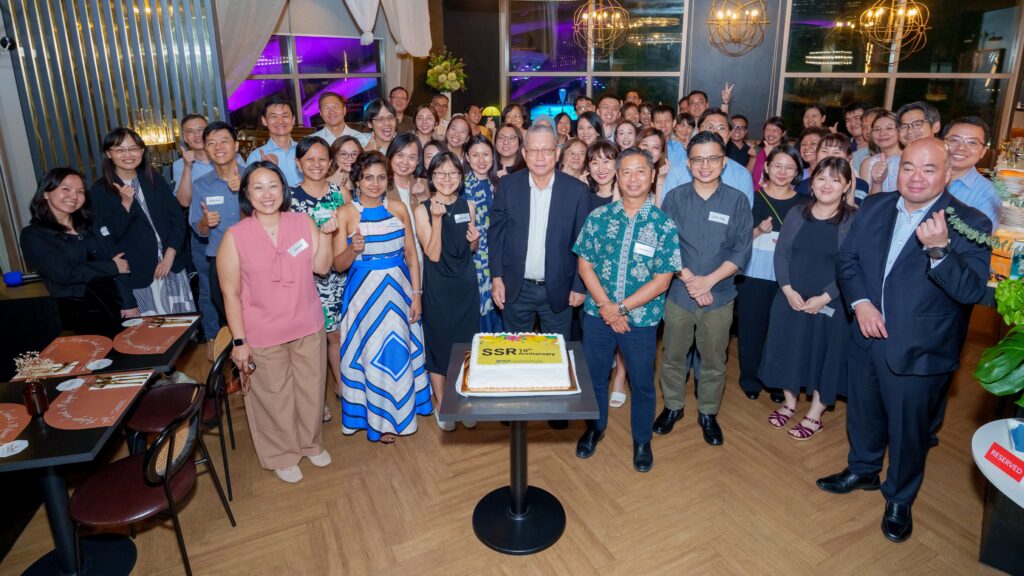
Happy 10th Anniversary to the NUS Social Service Research Centre! As Singapore’s first centre dedicated to social intervention research, SSR has spent the past decade championing bold social innovations – bringing together researchers, policymakers and practitioners to build inclusive and resilient communities through evidence-based research and cross-sector collaboration. Since 2015, SSR has carried out 26 research projects exploring salient issues affecting low-income families, youth and low-wage workers that has sparked important conversations on topics such as youth mental health and in-work poverty. The Centre has also built a strong reputation as a leader in practice-oriented research consultancy – strengthening the research capabilities of nearly 1,000 social service practitioners and 9 social service agencies. SSR bridges research, policy and practice – shaping solutions for sustained well-being in future-ready communities. Here’s to the next decade of impact through research, innovation and collaboration!
Celebrating Research Excellence: A/P Lee Jungup in Global Top 2% Scientists!
Congratulations to Associate Professor Lee Jungup for being recognised among the World’s Top 2% Scientists which is compiled annually by Professor John P.A. Ioannidis of Stanford University. This prestigious list, available at www.topresearcherslist.com, is based on a composite citation index (c-score) that reflects scientific impact by combining multiple metrics, including total citations, h-index, co-authorship-adjusted hm-index, and citation performance across authorship positions. Congratulations on her well deserved recognition!
Welcome Visiting PhD Candidate Ms Lihua Pan
We are pleased to welcome Ms Lihua Pan, a visiting PhD candidate at the Social Service Research Centre (SSR), National University of Singapore. She will be with SSR until 30 November 2025.
Lihua Pan is a PhD candidate at the Jockey Club School of Public Health and Primary Care, The Chinese University of Hong Kong. Her research focuses on childhood adversity, substance use, and psychosocial health promotion among young adults.
Please join us in extending a warm welcome to Lihua and supporting her in this exciting chapter of her academic journey.
Educational Visit from Seogwipo City Office of Education, Jeju-do, South Korea
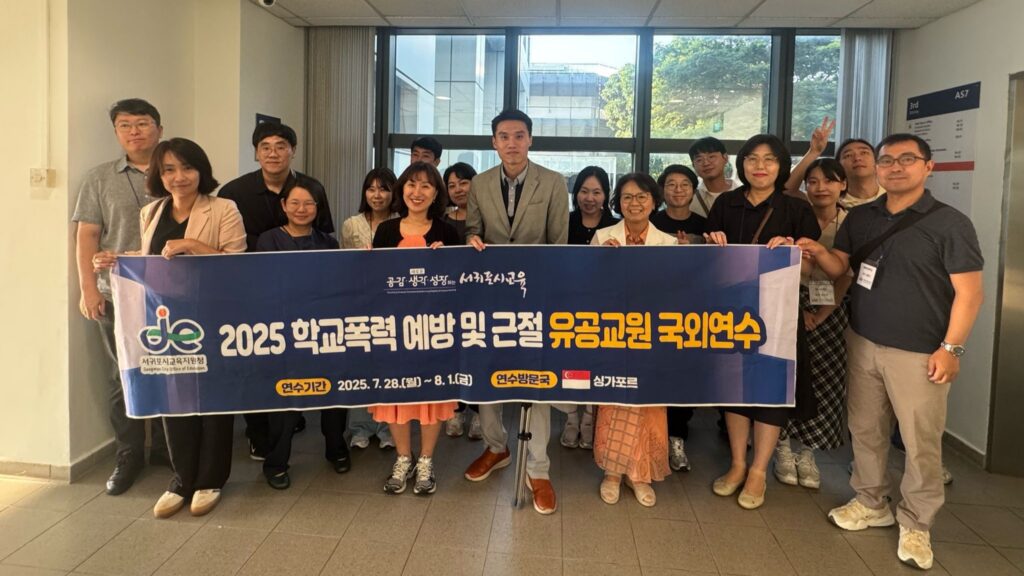
On 30th July 2025, Social Service Research Centre (SSR) had the pleasure of hosting a special educational visit by education officers and school programme coordinators from the Seogwipo City Office of Education 서귀포시교육지원청, Jeju-do, South Korea. As part of the programme, A/P Lee Jungup delivered an engaging and insightful talk titled “Teens’ Bullying: Bullies, Victims and Bystanders.” In her presentation, A/P Lee discussed both traditional bullying and cyberbullying in Singapore, highlighting the growing prevalence and its significant impact on youth mental health. Cyberbullying victims showed higher risks of depression, anxiety, and suicidal ideation. The role of bystanders was also explored, highlighting how timely intervention and peer support can help mitigate harm, though many hesitate due to fear of retaliation or social consequences. Her talk emphasised the importance of peer support, reporting systems, and accessible help services to combat bullying.
The programme also featured a presentation by ex-school counsellor Mr Leon Chng, who shared valuable insights into how Singapore addresses teen’s bullying. His sharing provided a practical overview of counselling strategies, school-based interventions, and support mechanisms tailored to the local context.Group Photo
Publications by Co-Director A/P Lee Jungup
We are pleased to share that SSR’s Co-Director A/P Lee Jungup have co-authored the following journal articles: "Typologies of childhood maltreatment and associations with internalizing symptoms among university students in Singapore: A latent class analysis", "Hidden pandemic in the field of family violence during the COVID-19 pandemic: A mixed-method study of the practice experiences of family services’ social workers in Singapore" and "A scoping review of theatre of the oppressed as an empowering prevention strategy against LGBTQ-based aggression." The published journal articles are:
- Lee, J., Munisamy, Y., Tan, A., Yoon, S., Kim, J., & Pon, A. (2025). Typologies of childhood maltreatment and associations with internalizing symptoms among university students in Singapore: A latent class analysis. PLOS ONE. https://doi.org/10.1371/journal.pone.0320851
- Kuah, N., Chuah, X. J., Lee, J., Yum, S. T., Ong, P. N., Phua, C. Y., & Dhaliwal, S. S. (2025). Hidden pandemic in the field of family violence during the COVID-19 pandemic: A mixed-method study of the practice experiences of family services’ social workers in Singapore. Asia Pacific Journal of Social Work and Development. https://doi.org/10.1080/29949769.2025.2503761
- Puvaneyshwaran, D., Lee, J., & Tan, R. K. J. (2025). A scoping review of theatre of the oppressed as an empowering prevention strategy against LGBTQ-based aggression. Sexuality & Culture. https://doi.org/10.1007/s12119-025-10391-8
- Meng, H., Zhang, R., Wang, G., Yang, Y., Qin, P., Lee, J., & Lee, Y-C. (2025). Deconstructing depression stigma: Integrating AI-driven data collection and analysis with causal knowledge graphs. Proceedings of the 2025 ACM CHI Conference on Human Factors in Computing Systems. https://doi.org/10.1145/3706598.3714255
- Tan, Y., Soh, K. X., Zhang, R., Lee, J., Meng, H., Sen, B., & Lee, Y-C. (2025). Empowering social service with AI: Insights from a participatory design study with practitioners. Proceedings of the Extended Abstract of the 202 ACM CHI Conference on Human Factors in Computing Systems. https://doi.org/10.1145/3706599.37197
Congrats to A/P Ong Ee Cheng for Winning FASS Inspiring Mentor Award 2024
We are pleased to announce that SSR Co-director Associate Professor Ong Ee Cheng has won the FASS Inspiring Mentor Award 2024! Congratulations on her award!
A/P Irene Y.H. Ng’s Promotion to Full Professorship
We are pleased to announce that Associate Professor Irene Y.H. Ng, SSR Founding Director, has been promoted to full Professorship, which took effect from 1 January 2025. Congratulations on her well-deserved promotion!
Publications by Co-Director A/P Lee Jungup
We are pleased to share that SSR’s Co-Director A/P Lee Jungup have co-authored the following journal articles: "Cyberbullying victimization and mental health symptoms among children and adolescents: A meta-analysis of longitudinal studies", "Secure base script knowledge and friendship quality as protective factors for bullying and victimization in elementary school" and "Young adults, mental health and help-seeking: What difficulties do they face? A Singapore-based study". The published journal articles are:
- Lee, J., Choo, H., Zhang, Y., Zhang, Q., Cheung, H. S., & Ang, R. P. (2025). Cyberbullying victimization and mental health symptoms among children and adolescents: A meta-analysis of longitudinal studies. Trauma, Violence, and Abuse. Advance online publication on 19 January 2025. https://doi.org/10.1177/15248380241313051
- Cheung, H. S., Khong, J. Z. N., Lee, J., Liu, D., & Ang, R. P. (2024). Secure base script knowledge and friendship quality as protective factors for bullying and victimization in elementary school. Attachment and Human Development. Advance online publication on 17 Dec 2024. http://doi.org/10.1080/14616734.2024.2441993
- Chua, Y. Z., & Lee, J. (2024). Young adults, mental health and help-seeking: What difficulties do they face? A Singapore-based study. Asia Pacific Journal of Social Work and Development. Advance online publication on 16 Dec 2024. https://doi.org/10.1080/29949769.2024.2442577
SSR’s 2024 Year in Review report is published!
As we usher in 2025, we reflect on this past year, 2024, with pride and gratitude. Our annual year-end report: SSR’s 2024 Year in Review, is published. The report comprises updates from the Capability Development Programme funded by MSF and Tote Board, and SSR’s research projects. We would like to extend our gratitude to everyone for the continuous support of SSR! Click here to access the report.
A/P Eddie Tong's Promotion to Full Professorship
We are pleased to announce that Associate Professor Eddie Tong, SSR Co-director, has been promoted to full Professorship, which took effect from 1 July 2024.
Congratulations on his well-deserved promotion!
Publications by Co-Director A/P Eddie Tong and incoming Co-Director A/P Lee Jungup
We are pleased to share that SSR's Co-Director A/P Eddie Tong and incoming Co-Director A/P Lee Jungup have co-authored the journal article "Mixed evidence concerning the effects of the hopeful mindset among mother and child in low-income families in Singapore" (in-press). In addition, A/P Eddie Tong has another journal article "Umbrella review of meta-analyses on the risk factors, protective factors, consequences, and interventions of cyberbullying victimisation" (in-press). The journal articles are: Tong, E. M. W., Lee, J., Goh, E. C. L. (in-press). Mixed evidence concerning the effects of the hopeful mindset among mother and child in low-income families in Singapore. Applied Developmental Science. Kasturiratna, S. K. T. A., Hartanto, A, Chen, C. H. Y., Tong, E. M. W., & Majeed, N. M. (in-press). Umbrella review of meta-analyses on the risk factors, protective factors, consequences, and interventions of cyberbullying victimisation. Nature Human Behavior.
NUS Receives Philanthropic Gift to Advance Healthy Longevity Initiatives in the Health District @ Queenstown
IN BRIEF | 10 min read
- The newly established Gloria Lee Woo Award will start with supporting initiatives focused on mental and social wellbeing and Malay female caregivers.
The National University of Singapore (NUS) has received a gift from the family of the late Mrs Gloria Lee Woo, founder of stock brokerage Kim Eng Holdings, towards the Health District @ Queenstown (HD@QT).
HD@QT is a multi-stakeholder, whole-of-society endeavour spearheaded by NUS, the National University Health System and the Housing & Development Board, to increase healthy longevity, enable purposeful longevity, promote intergenerational bonding, and support a community of all ages.
The gift was made by Mr Douglas Ooi, Mr Ronald Ooi, and Ms Carole Ooi to honour their late mother, Mrs Gloria Lee Woo. In appreciation of their generosity, NUS has established the Gloria Lee Woo Award, which was formalised at an appreciation luncheon held on 12 June 2024. The Award aims to provide important seed funding for research projects in HD@QT.

The first Awards will support three projects in the HD@QT: the development of an intergenerational programme to improve mental and social health in adolescents, adults in the sandwich generation, and older adults; to understand the challenges of Malay women caregivers in the sandwich generation and from low-income families as well as the factors that impede their access to health services and support; and investigating the impact of labour market engagement on retirees' socioeconomic, physical, and mental well-being.
Professor Liu Bin, NUS Deputy President (Research and Technology), said, "We are deeply grateful for the philanthropic gift from Mr Douglas Ooi, Mr Ronald Ooi, and Ms Carole Ooi. Their gesture is a significant boost for the forward-thinking projects undertaken by the Health District @ Queenstown. This support enables us to seed fund new research endeavours which can potentially attract more competitive grants and be scaled for greater future impact."
"Our mother was deeply committed to the wellbeing of others. In her memory, we chose to support the impactful initiatives at the Health District @ Queenstown. This gift is our way of giving back to Singapore and ensuring her legacy lives on and continues to benefit future generations, and we hope to be able to support this meaningful project at Queenstown in years to come," shared Mr Douglas Ooi.
"This gift by Mr Douglas Ooi, Mr Ronald Ooi, and Ms Carole Ooi is testament to the generosity of Singaporeans in developing programmes to enhance the lives of the residents of Singapore. We are honoured by the trust they have placed in the vision of the Health District @ Queenstown in shaping a better Singapore," commented Professor John Wong, Executive Director of the NUS Centre for Population Health, and Co-Chair of the HD@QT Steering Committee.
Intergenerational programme for wellness building
Assistant Professor Cyrus Ho, who holds a joint appointment in the Department of Psychological Medicine at the NUS Yong Loo Lin School of Medicine and the Department of Psychological Medicine at the National University Hospital, will be leading the development of an intergenerational programme to address the underlying psychological and emotional factors contributing to mental resilience in individuals across various life stages - older persons, adolescents, and adults.
During the 12-week programme, 30 adolescents will be paired up with 30 older persons and 30 adults in the sandwich generation to engage in various activities such as arts and crafts, storytelling, park exercises and gardening. By assessing the effectiveness of the different approaches, Asst Prof Ho and his multidisciplinary team hope to develop effective interventions to improve the mental and social health of the participants by targeting areas such as psycho-social behaviour, lifestyle, help-seeking behaviour, and economical assessment.
The project, which will be conducted in collaboration with schools, elder care centres and senior activity centres, will commence in July 2024 and is expected to be completed by June 2025.
Health needs and access to services among sandwich generation Malay women caregivers from low-income families
Led by Associate Professor Noor Aisha Abdul Rahman from the Social Service Research Centre and the Department of Malay Studies at the NUS Faculty of Arts and Social Sciences, this pilot study seeks to understand the challenges and needs of Malay female caregivers from low-income families who are in the sandwich generation.
By understanding their needs and the factors that impede their access to health and support services, early interventions can be designed to facilitate their participation in health services and programmes to mitigate their own health challenges and improve their wellbeing. This, in turn, will help enhance the quality of their caregiving for their elderly care recipients.
This qualitative study will involve 40 Malay female caregivers between 40 and 60 years old who are living in Queenstown and social service providers with relevant knowledge and experience working with this generation of caregivers. The study is expected to commence in June 2024 and be completed by December 2025.
Healthy and fulfilling ageing through micro jobs
Research shows that retirement or separation from the labour market may influence mental and physical health. Assistant Professor Shan Xiaoyue from the Department of Economics at the NUS Faculty of Arts and Social Sciences, together with Professor Uri Gneezy, visiting professor at the NUS Yong Loo Lin School of Medicine, will be conducting a study to investigate the impact of labour market engagement - such as taking on part-time work - on the senior population's socioeconomic, physical, and mental wellbeing after retirement.
About 250 participants who are above the age of 50 and living in Queenstown will be recruited for this project, which will commence in July 2024. Over a 12-week period, the project will provide participants with part-time work at different intensities and monitor their wellbeing along various dimensions, such as physical health, mental health, cognition, sleep quality, happiness levels, quality of relationships with family, and sense of financial security. A follow-up survey will be conducted about three months after the end of the study.
This project will provide an understanding of the short-term and long-term impact of micro jobs on the well-being of older persons.

A healthy town for all
These three programmes, which will involve residents in HD@QT as well as stakeholders from across society, contribute towards the development of effective, scalable and sustainable interventions to achieve the goals of HD@QT. Sustainable and successful implementation of these programmes in HD@QT could lead to similar programmes being adopted across Singapore.
This story first appeared in NUSNews on 12 June 2024.
Late Kim Eng founder’s family donates money to fund health projects for Queenstown residents
A monetary gift from the family of the late Mrs Gloria Lee Woo, founder of stock brokerage Kim Eng Holdings, will be channelled to several projects to improve the mental and social well-being of Queenstown residents. The three projects, which are parked under Health District @ Queenstown, a pilot programme to help residents lead healthier and more productive lives, were announced by the National University of Singapore (NUS) on June 12.
One of the projects is lead by A/P Noor Aisha Binte Abdul Rahman, SSR Steering Committee Chair and former Co-director of SSR.
Click here to read more about the article on The Straits Times.
Click here to access the research project page.
We Need to Talk: Youth Mental Health Takes Centre Stage at the NUS SSR Conference 2024
IN BRIEF | 5 min read
- The hybrid conference, attended by 800 social work practitioners, healthcare professionals, policymakers and researchers, shone a spotlight on the various approaches to help youths cope with social media pressures - from digital initiatives to providing more support at school and at home.
With social media now a big part of daily life for youths, there has been growing concern about its negative impact on their mental health. But it can also be a force for good.
"The reality is that technology can play a powerful, positive, and useful role in our lives by connecting us with people," said Dr Janil Puthucheary, Senior Minister of State, Ministry of Communications and Information and Ministry of Health, at the annual Social Service Research Centre (SSR) Conference on 20 March.
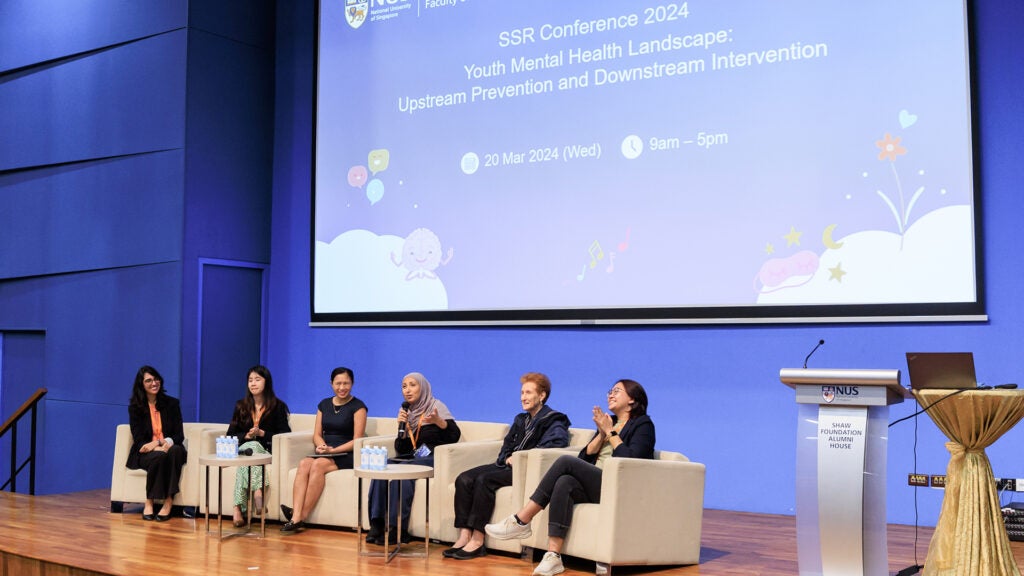
A key question, he noted, was how to "mitigate the issues" that arise from the negative influences of social media. It was a topic that was discussed at the conference, titled "Youth Mental Health Landscape: Upstream Prevention and Downstream Intervention", organised by SSR at the NUS Faculty of Arts and Social Sciences.
The hybrid conference, attended by 800 social work practitioners, healthcare professionals, policymakers and researchers, shone a spotlight on the various approaches to help youths cope with social media pressures - from digital initiatives to providing more support at school and at home.
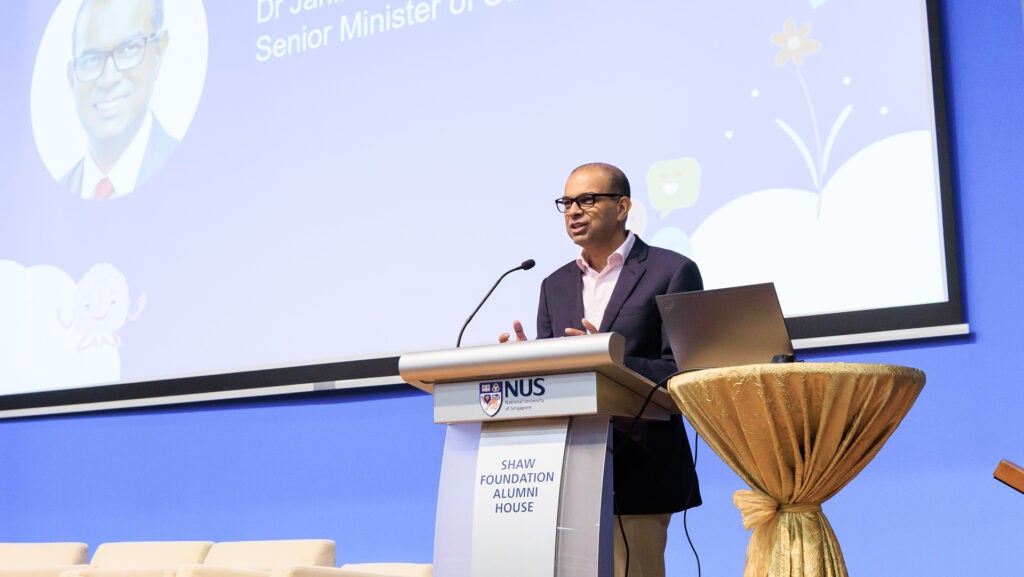
Online Engagement
As youths have built a strong social media presence across multiple online platforms such as Instagram, Reddit, YouTube, and TikTok, digital strategies such as online peer support development programmes and mobile-led mental health applications make for good outreach tools.
To reach out to these youths, apps such as mindline.sg by the MOH Office for Healthcare Transformation (MOHT) and Myloh by SHINE Children and Youth Services were created.
Fearing mental health stigmatisation, many youths prefer to remain anonymous. For example, MOHT found that many youths posted about their troubles anonymously on r/SGExams, a popular subreddit or forum hosted on the social network app Reddit.
This prompted MOHT to launch an anonymous discussion forum called "let's talk" on mindline.sg as an alternative platform that allows for youths to discuss their mental health issues and seek help. "We wanted to create a safer version of Reddit for our youths to get support and accurate information," said Ms Janice Weng, Deputy Director at MOHT.
All services provided by Myloh also provide user anonymity. "[Remaining anonymous] is what young people want," said Mr Eric Sng, Assistant Director at SHINE.
Connecting the Dots
Digital solutions aside, Dr Yeo Geck Hong turned to peer support training as an outreach tool to support youth mental health.
The research fellow at SSR ran an online peer support training programme evaluating 450 students across three local secondary schools. Bite-sized modules across four sets of skills-mattering (the extent to which we make a difference in the world around us), selfhood, compassion, and mindfulness-were taught over eight sessions lasting 45 to 60 minutes each, across three schools from 2020 to 2023
Preliminary findings revealed that students improved their grasp of the four skills, contributing to healthier peer relationships and in turn a more wholesome school environment.
Caring relationships between teachers and students and strong parent-child bonds were successful in promoting long-term mental health recovery in a study conducted by Mr Dennis Teo, Research Specialist at the National Council of Social Service.
Among 444 youths aged 13 to 19, those who improved in these two protective factors saw greater reduction in their behavioural issues over the course of two years.
Social work executive Rachel Reuben, who works with troubled youths, found the findings shared at the event very insightful. "It really helped us to make the connection with our youths," she said.
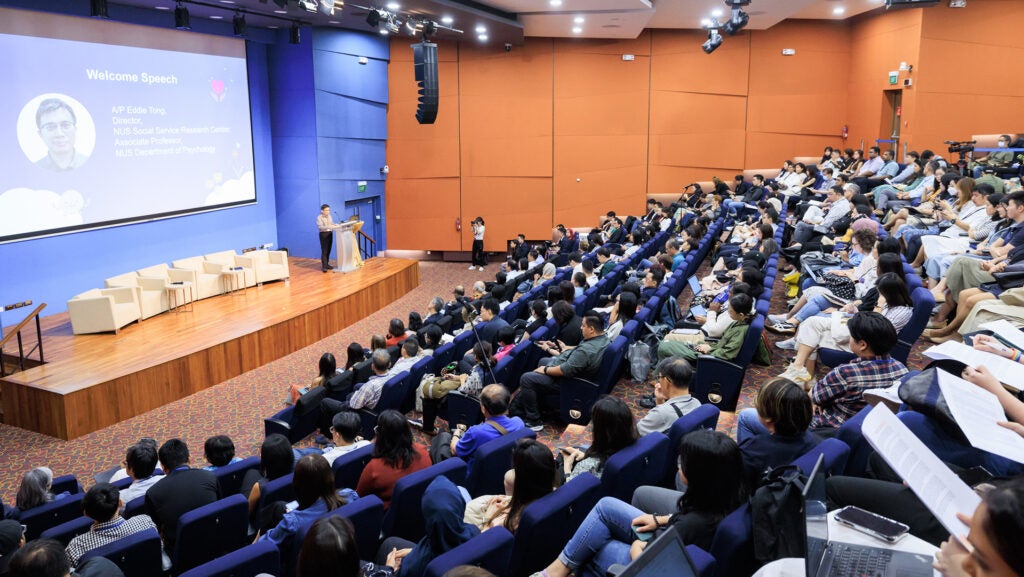
Identifying At-Risk Youths
While prevention is important, experts also call for more intervention for youths who risk falling through the cracks.
"Most of the time, we deal with issues that are at the end stage of the problem," said Dr S. Vasoo, Emeritus Professor at the NUS FASS Department of Social Work. "We need to develop a system that can identify the young people who are vulnerable."
These include individuals such as youth offenders and youth who are emotionally neglected at home.
Assistant Professor of Social Work at NUS Dr Lee Jungup shared findings from a childhood traumatic experiences study (that is currently under review) on 1,000 students from local universities aged 18 to 30. She found that 75 per cent of them said they had experienced emotional neglect in their formative years. Some 56 per cent had faced physical neglect, and around 37 per cent experienced physical abuse. Those with multiple trauma experiences were more likely to have conditions such as depression and anxiety, she observed.
"During the short period (from adolescence to adulthood), there are a lot of ways that things can change biologically, socially, and cognitively," she added.
Given such findings, it is imperative to have all hands on deck to improve youth mental health as a collective.
"The solution necessarily has to take the 'whole-of-society' approach with coordinated participation from various segments of society, including the community, government agencies, welfare organisations, healthcare, academia, schools, and workplace," said SSR Director Associate Professor Eddie Tong, who is also from the Department of Psychology at the NUS Faculty of Arts and Social Sciences.
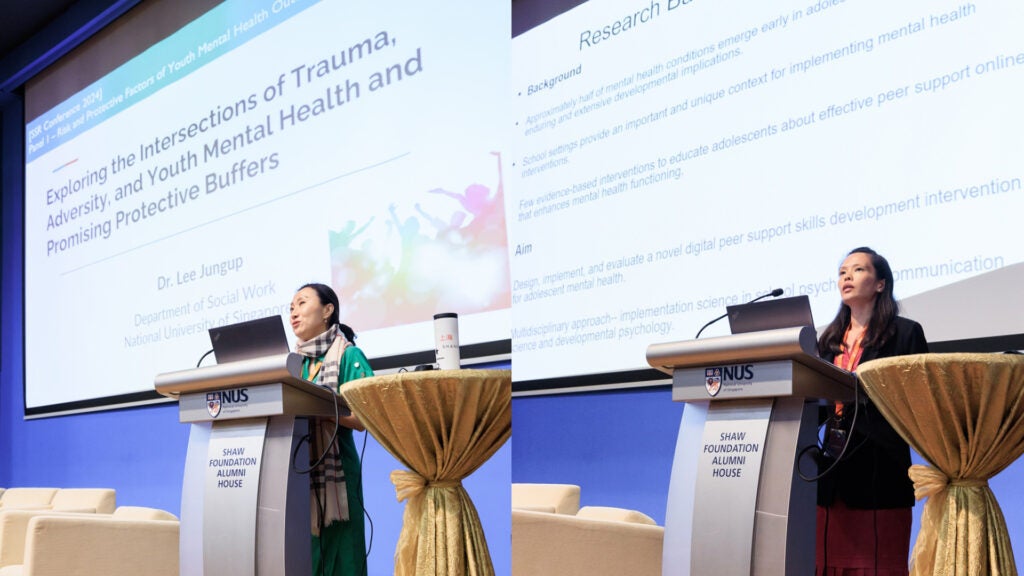
The ideas and findings presented at the conference left practitioners with much food for thought. "I appreciated the efforts made to translate the findings into practices," said conference participant and research executive Daryl Tan.
This story first appeared in NUSNews on 8 April 2024.
Ideas Festival 2024: Shining a Spotlight on the Importance of Social Science and Humanities Research on Society
IN BRIEF | 5 min read
- Launched on 20 March 2024 with Minister for Education Mr Chan Chun Sing as the Guest of Honour, this festival was organised by the Autonomous Universities (AUs) in Singapore and is supported by the Social Science Research Council (SSRC). It features 13 events over a month-long period.
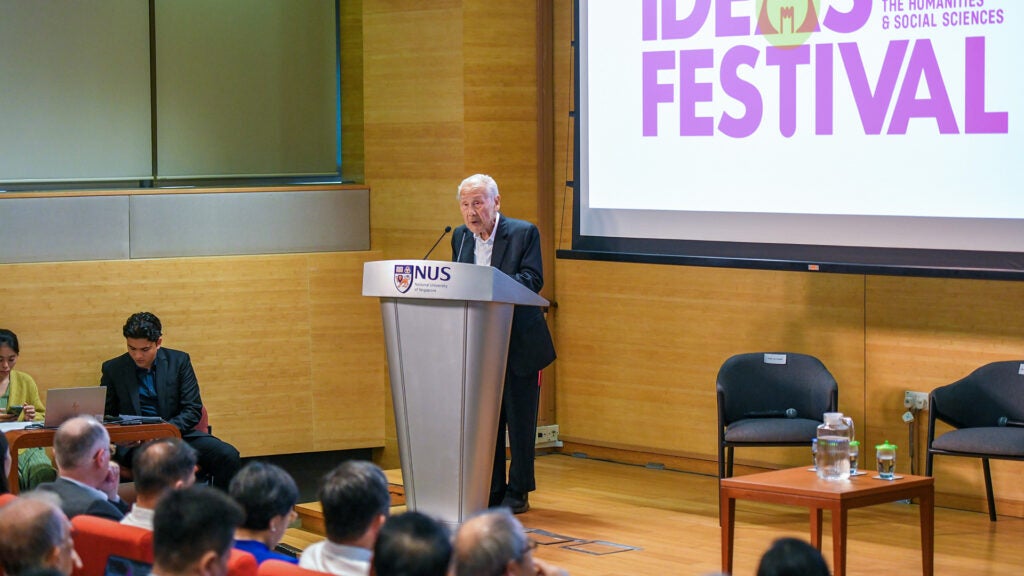
How does research in the social sciences and humanities impact our world? This is a question the inaugural "Ideas Festival 2024 - Insights from the Humanities and Social Sciences" seeks to address as it delves into the intricate challenges confronting Singapore and the region amid a period of disruptive change by drawing on the works of the local Social Science and Humanities (SSH) research community.
Launched on 20 March 2024 with Minister for Education Mr Chan Chun Sing as the Guest of Honour, this festival was organised by the Autonomous Universities (AUs) in Singapore and is supported by the Social Science Research Council (SSRC). It features 13 events over a month-long period.
At the launch event, SSRC Advisor Professor Wang Gungwu who is also NUS University Professor, highlighted the importance of SSH research in enriching our understanding of social issues, which are inherently complex and dynamic, shaped by historical developments and disrupted by the latest technological advances.
Against this backdrop, he urged more work to be done to understand Singapore's multicultural society and the complex environment in which it exists. One approach is to encourage researchers to consider having Co-Principal Investigators from a mix of academic disciplines in the humanities, social science as well as the science, technology, engineering, and math (STEM) fields. "What I envisage is that research proposers are open-minded to different perspectives that could lead them to something fruitful they did not expect to find. A variety of insights coming from scholars with different backgrounds makes that possible."
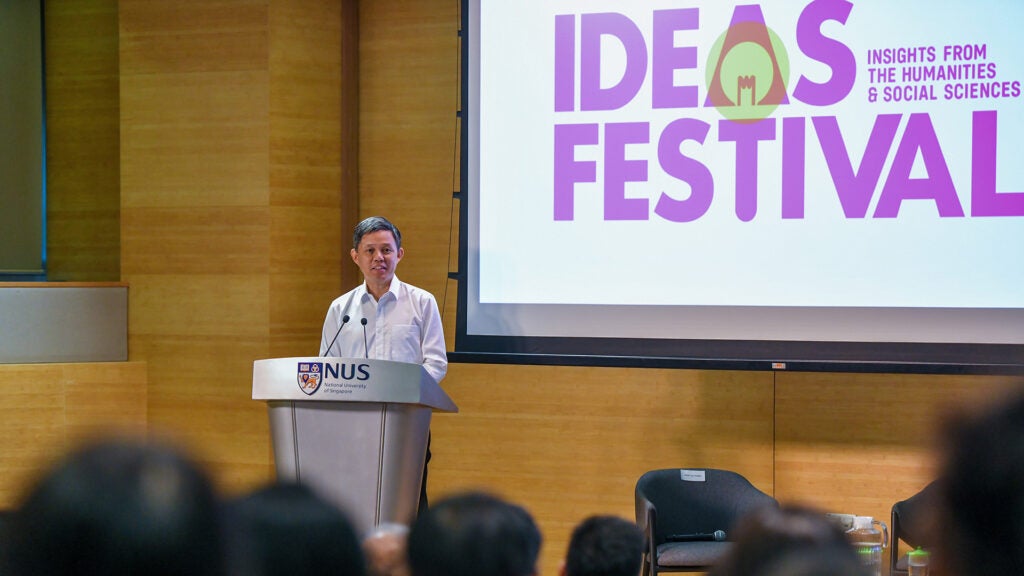
Echoing the importance of SSH research, particularly in a STEM-focused world, Professor Elaine Ho, Chair of the Ideas Festival Organising Committee and Vice Dean of Research at the NUS Faculty of Arts and Social Sciences, said at the sidelines, "Social science and humanities research is very much part of our everyday lives," citing examples such as mental health and children's health outcomes, which are concerned with the behavioural dynamics within society. "Social science and humanities researchers have these kinds of insights that can help us to improve the way that we try to better society," she noted. "There has been much more attention given to STEM research subjects in the Singaporean landscape…but where the opportunity lies for both the STEM subjects as well as social science and humanities is by coming together."
The festival features more than 50 researchers across a spectrum of expertise in SSH sharing key insights on a range of topics. These include the impact of digital acceleration and disruptive technologies like the metaverse and artificial intelligence (AI) on childhood, an inclusive future of work, new forms of social interactions, as well as fake news and misinformation in the media. It will also touch on strengthening support for mental health and well-being through a whole-of-society approach, such as leveraging family and social circles to support the well-being of individuals across various stages of their lives.
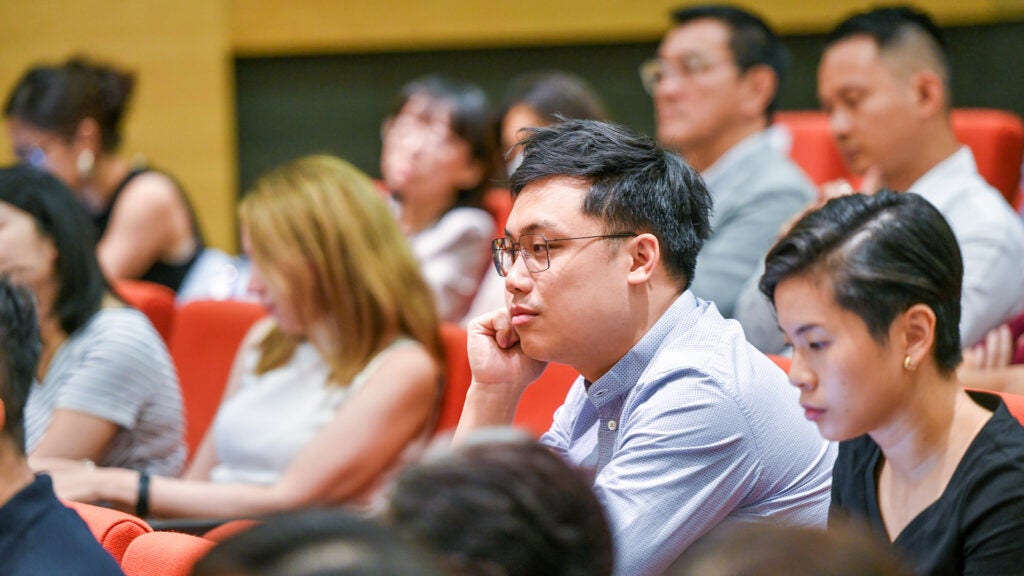
Acknowledging how the scholarship of social science and humanities in Singapore has made significant progress, Chairman of the SSRC, Mr Peter Ho, said, "You just need to look at the span of interesting projects in the universities and research institutes to get a sense. Public sector agencies have also taken greater interest, indicating the increasing traction of the social sciences and humanities among policy researchers (and) policymakers. By bringing together researchers across the universities and research institutions, the Ideas Festival clearly signals that the research ecosystem is vibrant and thriving."
NUS is the host of two events at the festival. The first, "Gazing into the Metaverse", which was held on 26 March 2024 looked at how the metaverse - a world of avatars, digital twins and digital currencies - will be built, how it will be curated, who will use it, and how it will transform our everyday lives. The roundtable examined the key questions, implications and themes that researchers in the social sciences and humanities are now asking about this next stage in our digital journey, particularly in Asia.
The other, "Foundations of Home-Based Work", will take place on 12 April 2024 and will explore the spatial, social and technological dimensions of home-based work (HBW) in Singapore. This is done through looking at considerations such as the policy framework surrounding this type of work and exploring the following questions: who is involved in it; what kind of living do they make; in which housing types and neighbourhoods is this work occurring; and the pathways for accommodating HBW in our lives through design and policy recommendations.
On 17 April 2024, the University will also co-organise "Singapura Before Raffles: Early Modern Asia in the Global Renaissance", which will discuss how early modern Singapore and Asia played important roles in shaping global ideas about maritime trade, global commerce, international law, political governance, and literary and artistic advancement. It will draw on new and exciting interdisciplinary research from teachers and scholars across Singapore's universities and the wider Asia region.
The Ideas Festival 2024 runs till 19 April 2024. More information can be found here.
This story by the NUS Faculty of Arts and Social Sciences first appeared in NUSNews on 3 April 2024.
Childhood Trauma Can Cause Mental Health Issues in Young Adults: Study
IN BRIEF | 4 min read
- Dr Lee Jungup (NUS Social Work) has found that issues such as neglect cyber bullying and abuse during childhood can lead to depressive and anxiety symptoms in young adults. She shared the findings from her study, which is currently under review before publication, at the NUS Social Service Research Centre Conference 2024 last week.
Click through image below to read this piece.

This article first appeared in The Straits Times and on NUSNews on 21 March 2024.
Efforts to Bolster Mental Well-being Amongst Youth Take Centre Stage at NUS Social Service Research Centre’s Annual Conference
IN BRIEF | 5 min read
- More inclusive strategies and earlier intervention to bolster youth mental health were the centre of discussion amongst close to 800 social service practitioners, researchers, policymakers, and healthcare professionals who attended the SSR Conference 2024 both online and in person at the National University of Singapore (NUS) on 20 March 2024.
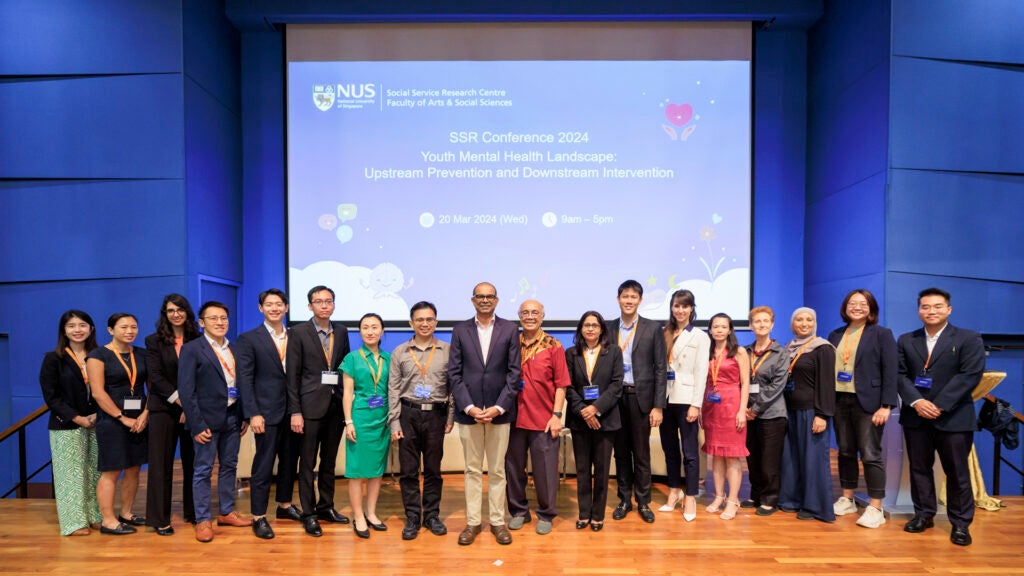
More inclusive strategies and earlier intervention to bolster youth mental health were the centre of discussion amongst close to 800 social service practitioners, researchers, policymakers, and healthcare professionals who attended the SSR Conference 2024 both online and in person at the National University of Singapore (NUS) today.
Organised annually by the Social Service Research Centre (SSR) at the NUS Faculty of Arts and Social Sciences (FASS), the theme of this year's conference was "Youth Mental Health Landscape: Upstream Prevention and Downstream Intervention" and dedicated to addressing the psychological well-being of youths and help them thrive in their adolescent years.
Participants, who represented more than 100 organisations, including social and family service centres, voluntary welfare organisations, government ministries, academic institutions and businesses discussed research and engaged in dialogues on prevention and intervention strategies, including digital initiatives and other innovative approaches, to improve mental well-being and resilience amongst youth in Singapore.
They included representatives from the Institute of Mental Health, the National Council of Social Service, SHINE Children and Youth Services and Fei Yue Community Services, amongst others.
Guest-of-Honour, Dr Janil Puthucheary, Senior Minister of State, Ministry of Communications and Information & Ministry of Health, delivered the keynote address at the event.
Dr S. Vasoo, Emeritus Professor from the FASS Department of Social Work also delivered the introduction speech on how key players in mental healthcare can further collaborate to provide better protection for youths with mental health conditions in Singapore.
In addressing mental health issues, whether for the young or the old, he said that "the curative approach now delivered by social service agencies needs to move towards early intervention."
The full-day conference featured three panel sessions that covered mental health intervention programmes such as mindline.sg and the Hidden Youth Intervention Programme, and research findings from presentations on digital peer support training in schools, arts therapy for children, and more.
The variety of presentations from government, academic, and social service organisations provided a comprehensive understanding of the different roles of mental healthcare professionals, practitioners, caregivers, and patients themselves in mental health service delivery. The panellists also discussed how these stakeholders can work collaboratively to create more safe spaces to empower youths who are experiencing mental health struggles.
Associate Professor Eddie Tong, Director of SSR and Associate Professor at the NUS Department of Psychology, said, "I believe we are in a unique juncture in our nation's history where there is broad consensus that some of our youths need help and we need to help them. Having a conference on youth mental health is timely and we cover a range of key themes from risks and protective factors to prevention and intervention strategies."
Associate Professor Mythily Subramaniam, from the Institute of Mental Health and the NUS Saw Swee Hock School of Public Health, who presented at the conference said, "Changes in youth mental health are taking place against a more challenging backdrop of global upheavals like the COVID-19 pandemic, wars, and climate change. Thus, a deeper understanding of their impact on, and co-development of interventions with, youths are important to ensure better support to this vulnerable population."
This story first appeared in NUSNews on 20 March 2024.
SSR holds annual conference on youth mental health
This year's SSR conference, titled "Youth Mental Health Landscape: Upstream Prevention and Downstream Intervention", was attended by over 800 participants in-person and online, and representing more than 100 organisations.
Our Guest-of-Honour, Dr Janil Puthucheary, Senior Minister of State for Health, delivered the keynote address. SSR's Director, Associate Professor Eddie Tong, said in his welcome remarks that research should examine youths' developmental processes and study both the person and broader factors - including the family, peers, community, and societal forces. Meanwhile, Emeritus Professor Dr S Vasoo's introduction speech focused on how key players in mental healthcare can further collaborate to move towards earlier interventions for youths in Singapore.
The conference touched on more inclusive strategies and served as a platform for meaningful discussions among social service practitioners, researchers, policymakers, healthcare professionals, and more.
Check out all media coverage of the event below.
- The Straits Times, 20 March 2024 (online and print)
- Channel 8 News and 8world, 20 March 2024
- NUS News Press Release, 20 March 2024
- Channel 5 News, 20 March 2024 (at 16min 27s)
- CNA, 20 March 2024
- Channel U News, 20 March 2024
- CNA938, 20 March 2024
- Warna 94.2 FM, 20 March 2024
- AsiaOne, 21 March 2024
- NUS News Highlights, 8 April 2024
Scheme to Curb Family Violence Helps Over 80 Men
IN BRIEF | 10 min read
- NUS Social Service Research Centre and Thye Hua Kwan Moral Charities' qualitative study on the latter's Brotherhood programme to support men who have committed family violence in their healing process show that participants suffered from adverse childhood experiences, and are interested in showing emotional vulnerability though only in a safe environment where they are not judged.
Click through image below to read this piece.

This article first appeared in The Straits Times and on NUSNews on 21 January 2024.
When Saving $50 a Month Brings Stress: Families Need Compassion, not Charity
IN BRIEF | 15 min read
- Director of Melrose Home at the Children's Aid Society and FASS alumna Cindy Ng (NUS Social Work) draws from her experience piloting a debt and savings programme and research - including that led by Associate Professor Irene Ng (of NUS Social Work and NUS Social Service Research Centre) - to argue for a more considered approach to tackling poverty and alleviating the plight of low-income families, in this Op-Ed in The Straits Times.
Click through image below to read this piece.

Source: The Straits Times © SPH Media Limited. Permission required for reproduction.
This article first appeared in The Straits Times on 2 December 2023.
SSR's 2023 Year in Review report is published!
As we usher in 2024, we reflect on the past year, 2023, with a sense of pride and gratitude. Our annual year-end report: SSR’s 2023 Year in Review, is published. The report comprises updates from the Capability Development Programme funded by MSF and Tote Board, and SSR’s research projects. We would like to extend our gratitude to everyone for the continuous support of SSR! Click here to access the report.
SSR receives 5-year Service Award at the NUS Social Work Department's Achievement and Excellence Award Ceremony
In recognition of our research centre's support to NUS Social Work field education, SSR received a 5-year Service Award at the NUS Social Work Department's Achievement and Excellence Award Ceremony held on 5 October 2023. SSR's Advisory Board Chair & Steering Committee Chair, A/P Irene Y.H. Ng, was present at the ceremony to receive the award on behalf of our research centre. We look forward to nurturing more Social Work students in future and supporting the NUS Social Work department in meaningful ways!
SSR Webinar Highlight: Child Development Account Research and Policy
On 4 October 2023, Social Service Research Centre at the National University of Singapore (NUS) co-organised a Webinar with Washington University’s the Next Age Institute (NAI) and Center for Social Development (CSD). The Webinar discussed the SEED for Oklahoma Kids experiment, Singapore’s leadership in asset-based social policy and a vision for global Children Development Accounts.
A news story on the Webinar is featured on NAI's webpage: Evidence, vision for Children’s Account policy at a National University of Singapore event.
Visit our event page to watch the Webinar recording.Publication by Research Fellow Dr Yeo Geck Hong and Co-Director A/P Eddie Tong
We are pleased to share that SSR's Research Fellow Dr Yeo Geck Hong and Co-Director A/P Eddie Tong have published a new journal article titled "Associations of childhood adversity with emotional well-being and educational achievement: A review and meta-analysis".
Profound negative implications of adverse childhood experiences (ACEs) have raised public health concern worldwide. With this background, the team conducted a systematic review and meta-analysis that examined associations of three types of ACEs (abuse, neglect, and household dysfunctions) with experiential (emotional quality of momentary and everyday experiences) and reflective (judgments about life satisfaction, sense of meaning, and ability to pursue goals that can include and extend beyond the self) facets of emotional well-being (EWB) and educational achievement.
Publication:
GeckHong Yeo, Jennifer E. Lansford, Matthew J. Hirshberg, Eddie M.W. Tong. (2023). Associations of childhood adversity with emotional well-being and educational achievement: A review and meta-analysis. Journal of Affective Disorders.
Publication by Senior Research Fellow Dr Seah Lay Hoon
Congratulations to SSR Senior Research Fellow Dr Seah Lay Hoon for publishing a new journal article! Titled "An exploratory study of teachers' metalanguage use to support student writing in science: Foregrounding the science-language connections", this study explores teachers' use of metalanguage in science classroom talk that supports students' science writing.
Metalanguage was introduced to science teachers as part of a collaborative researcher-teacher inquiry into student writing. Seventeen lessons taught by three teachers were analyzed for the types of metalanguage used in their lessons and the science-language connections foregrounded by each type. The analysis highlights metalanguage as a resource for talking about the demands of science writing and reveals four distinct types of metalanguage adopted by the teachers in their instruction: grammar, content, genre, and science discourse conventions. Science-language connections are illustrated by the various levels of language and aspects of science foregrounded by the various types of metalanguage. Implications on the pedagogical use of metalanguage and professional learning of science teachers are discussed.
Publication:
Seah, L.H. (2023). An exploratory study of teachers' metalanguage use to support student writing in science: Foregrounding the science-language connections. Linguistics and Education.
Flexible work arrangements can’t be for just well-paid professionals

SSR's Co-Director, A/P Eddie Tong, has been appointed to the 2023 SPSP Fellowship
Congratulations to SSR's Co-Director, Associate Professor Eddie Tong, also from the NUS Department of Psychology, for his appointment to the 2023 Society for Personality and Social Psychology (SPSP) Fellowship. SPSP is the world’s largest organisation of its kind, with more than 7,500 members, that endeavours to advance the science, teaching and application of personality and social psychology, and becoming an SPSP Fellow is acknowledgment of one’s contributions in the field of personality and psychology in terms of leadership, research, pedagogy, outreach and advocacy. Find out more: https://bit.ly/3sMNgE2
SSR held a 2-day workshop on Critical Discourse Analysis for Social Services
Over the past 2 days, SSR's trainers, Dr Xu Jianbin and Ms Nurul Fadiah Johari, held a workshop on Critical Discourse Analysis, a framework to uncover and examine power relations and social inequalities reflected through discourses, language and texts. Participants learned how to apply these skills and knowledge to their research involving marginalised groups, to mitigate the power imbalance against them.
Learn more about the course details here and check out upcoming training programmes here.
SSR Seminar featured 3 studies on relationships among socioeconomic status, parenting, and student learning
In this hybrid seminar, SSR invited Associate Professor Tan Cheng Yong from The University of Hong Kong, who presented on three large-scale studies on the relationships among socioeconomic status (SES), parenting, and student learning. Associate Professor Chong Wan Har from NTU National Institute of Education moderated the Q&A session and shared insights on the local education scene. Watch the event recording here.
Exploring photovoice in SSR's interactive seminar
SSR explored the photovoice process in our interactive seminar with speakers Ms Ng Bee Leng and Ms Woo Peiyi from AMKFSC who presented their findings on discovering assets in a local neighbourhood. This research project by AMKFSC Community Services and the IPS' Ngee Ann Kongsi Community Fellowship sought to understand valued spaces, connections, and place-based assets within the Teck Ghee neighbourhood, and the speakers discussed how AMKFSC community workers promoted mutual aid and collaboration among residents. The Q&A session was moderated by Dr Justin Lee from IPS, and our audience participated actively in sharing photos they took in their own neighbourhoods. Watch the event recording here and read the research report here.
NUS Researchers Propose Ways to Enhance Workfare for Low-income
IN BRIEF | 10 min read
- The research team – comprising Associate Professor Irene Ng of NUS Social Work, and Dr Ong EeCheng and Research Assistant Tan Zhi Han of NUS Economics – made their recommendations at a joint NUS Social Service Research Centre and Leap201 roundtable on 20 April 2023..
Click through image below to read this piece.
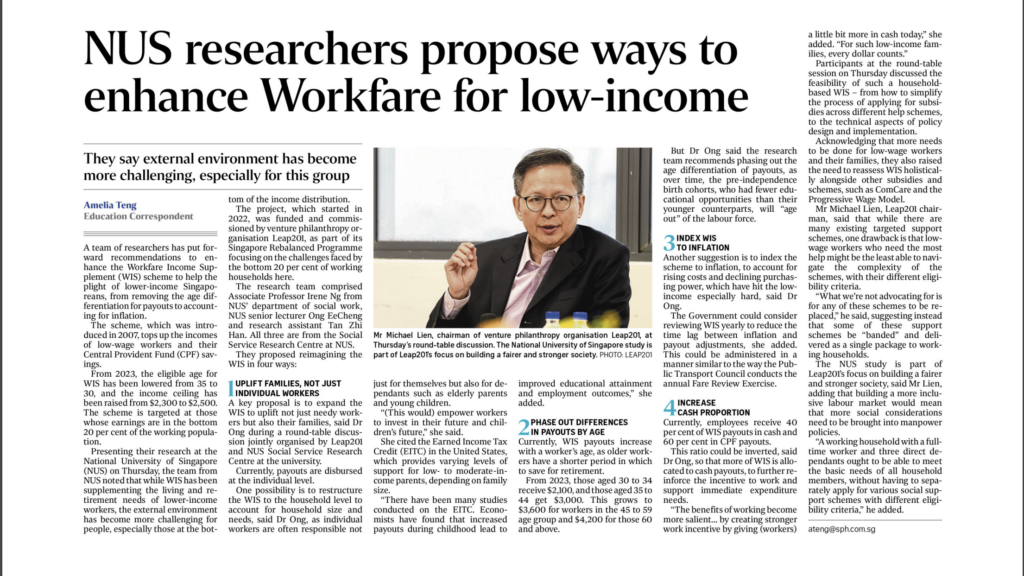
This article first appeared in The Straits Times and NUSNews on 21 April 2023.
SSR researchers propose ways to enhance Workfare for low-income Singaporeans and their families
A team from SSR presented their research on Thursday to enhance the Workfare Income Supplement (WIS) scheme to help the plight of lower-income Singaporeans. The research team comprised SSR's steering committee chair, Associate Professor Irene Ng, SSR's steering committee member, NUS senior lecturer Ong EeCheng, and SSR's research assistant Tan Zhi Han, and their recommendations ranged from removing the age differentiation for payouts to accounting for inflation.
The project, which started in 2022, was funded and commissioned by venture philanthropy organisation Leap201, as part of its Singapore Rebalanced Programme focusing on the challenges faced by the bottom 20 per cent of working households here.
Read more in the article here and learn more about the study here.
Study by Research Fellow Dr Yeo Geck Hong finds 40% drop in depressive, anxiety symptoms among students who confided in peers online
The study, which was published online on Wednesday, found that digital peer support lowered depressive and anxiety symptoms by nearly 40 per cent, and its effect was sustained beyond the period of intervention for around six weeks.
Our Research Fellow, Dr Yeo Geck Hong, who is the co-principal investigator, said the results can lend insights into the development of community-based strategies and interventions in meeting the increasing mental health needs of the population.
Read more in the article here.
Graduation presentation for SSR's Research Skills for Social Services Mentoring Programme
Congratulations to all mentees who graduated from SSR's 13-week mentoring programme from Jan to Apr 2023 on Research Skills for Social Services!
Check out their research study abstracts here.
1) Programme Evaluation of SCCFSC Mums' Collective Programme, conducted using Participatory Action Research
2) Successful Ageing & Empowerment Among the Elderly, conducted through interviews with elderly volunteers from Tembusu Active Ageing Centre in Eunos
3) Co-Parenting Conflicts Among Divorcing Parents in Singapore and its Relation to Child Outcomes
SSR successfully hosts Symposium on In-Work Poverty and the Challenges of Getting By Among the Young
The event was graced by Guest-of-Honour, Minister for Manpower, Dr Tan See Leng. SSR’s Co-Director, Associate Professor Eddie Tong delivered his welcome remarks, and the Principal Investigator of the In-Work Poverty study, Associate Professor Irene Y.H. Ng gave an overview of the study and highlighted key findings.
Check out all media coverage of the event below and learn more about the In-Work Poverty study or read existing publications and reports here.
- The Straits Times, 29 March 2023
- CNA, 29 March 2023
- TODAY, 29 March 2023
- Lianhe Zaobao, 29 March 2023
- 8world, 29 March 2023
- CNA938, 29 March 2023
- Hao 96.3FM, 29 March 2023
- UFM100.3, 29 March 2023
- Channel 5 News, 29 March 2023
- Channel U News, 29 March 2023
- Suria News, 29 March 2023
- Vasantham News, 29 March 2023
- The Straits Times, 30 March 2023, Singapore, pA14
- Lianhe Zaobao, 30 March 2023, p4
- Berita Harian, 30 March 2023, Front Page
- Tamil Murasu, 30 March 2023, p2
- Oli 96.3FM, 30 March 2023
Publication by Research Fellow Dr Yeo Geck Hong

Congratulations to SSR Research Fellow Dr Yeo Geck Hong for publishing a new journal article!
Publication:
Yeo, G., Tan, C., Baumeister. R., & Ho, D. (2022). The Role of Self-hood in Youth Mental Well-Being: A Meta-Analysis. Psychological Medicine (forthcoming).
Four NUS Faculty Members Recognised by the Association for Psychological Science (APS)
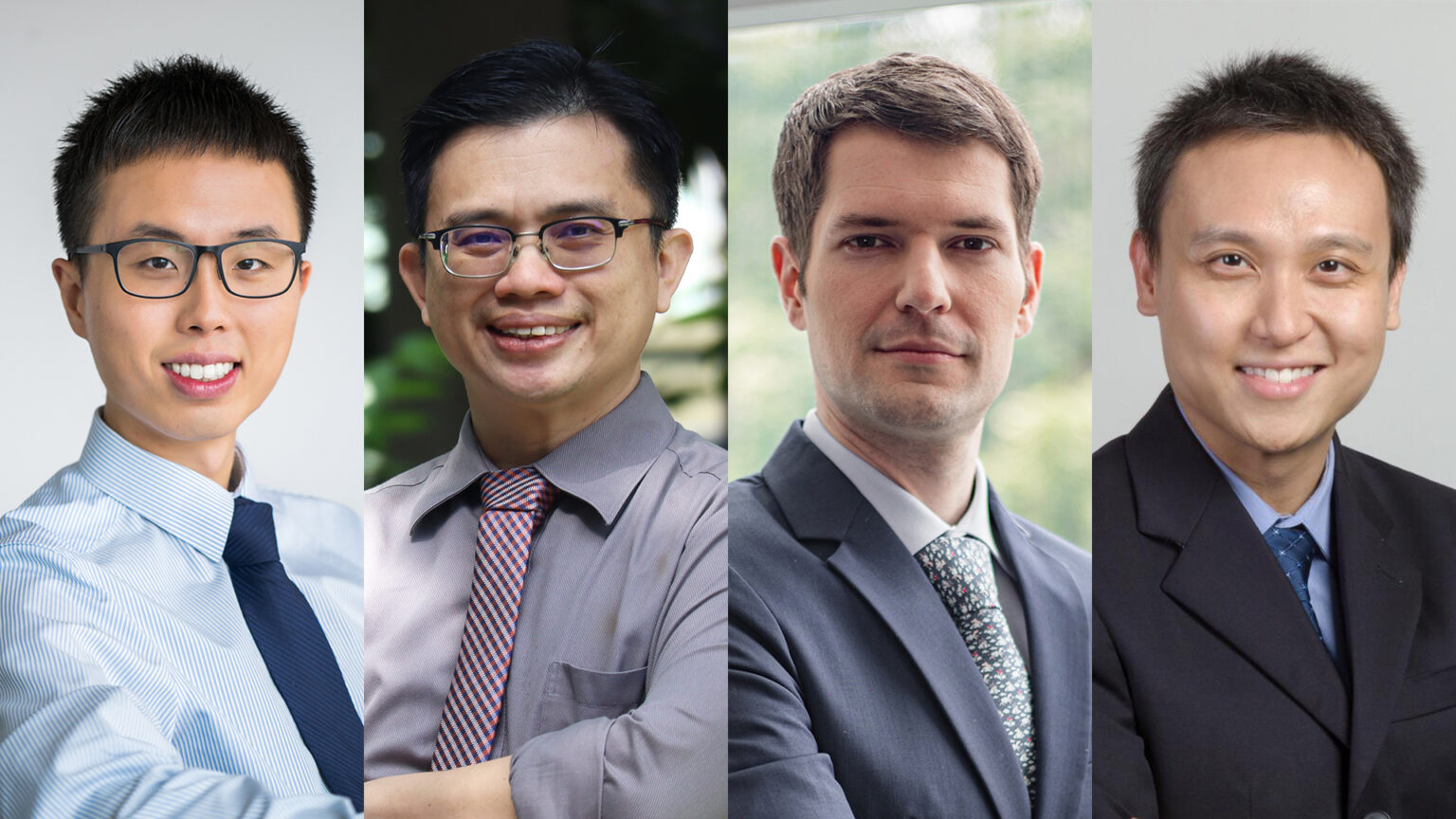
Four faculty members from NUS have been recognised by APS for their research and academic contributions. SSR's Co-Director Associate Professor Eddie Tong from FASS Department of Psychology has been appointed as Fellow for his sustained outstanding contributions to the science of psychology in the areas of research, teaching, service and/or application.
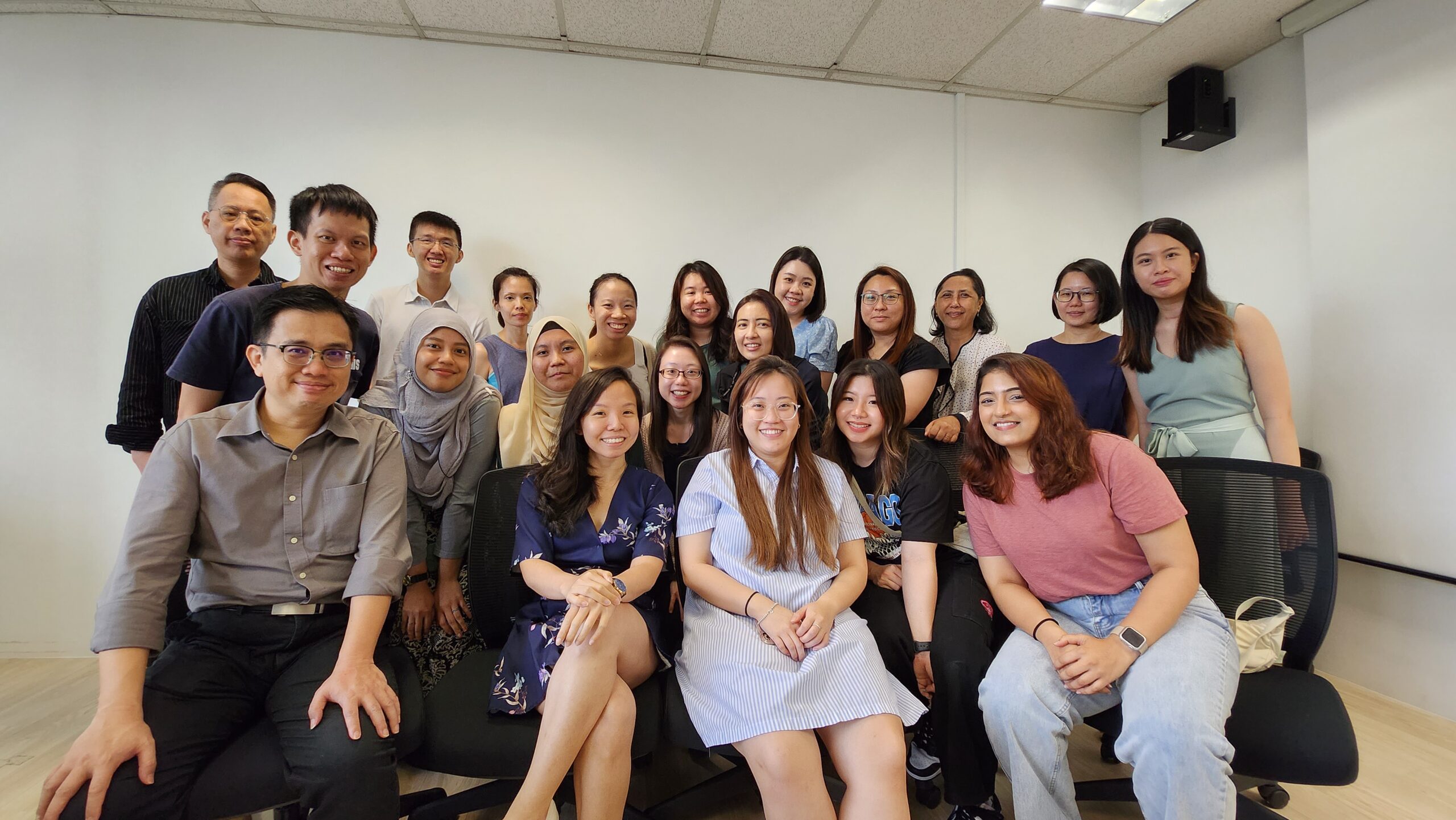
Staff Gathering on 17 Feb 2023
On 17 February 2023, SSR organised a team bonding activity. It was the first time since Covid-19 that the entire team gathered over a meal.
Call for Nominations | FASS Inspiring Mentor Award 2022
IN BRIEF | 3 min read
- We invite NUS FASS members of staff to nominate the colleagues who have served as their truly inspiring mentors - who have gone beyond the call of duty to positively impact their work and life - for FIMA 2022 honours.
Click through image below (or just write to fassmentoraward@nus.edu.sg) to file your nomination.

NUS-led Study: Extreme Debtors May Be Exposed to Debt Accumulation Due to Inflated Sense of Self-Control
IN BRIEF | 10 min read
- The combination of low self-control capacity and poor recognition potentially exposes debtors to more debt accumulation.

A first-of-its-kind study led by Associate Professor Jia Lile from the Department of Psychology at the National University of Singapore (NUS) Faculty of Arts and Social Sciences found that extreme debtors have a low capacity to regulate their behaviour but hold an illusory perception of high capacity, which may expose them to further debt accumulation.
The study, conducted in collaboration with the Singapore University of Social Sciences (SUSS) and with the support of Credit Counselling Singapore (CCS), used a combination of a self-reporting questionnaire and behavioural measures to compare the profiles of extreme debtors (defined as those who owed credit card debts that amounted to 12 times or more of their monthly income) with two control groups.
Assoc Prof Jia said: "There is an urgency to identify and measure risk factors behind the global debt crisis which has been exacerbated by the COVID-19 pandemic. Past studies have focused on variations in debt among the general population, but there has been little research into how those who suffer from extreme and prolonged debt view their own self-control ability and how this affects their behaviour until now. The use of behavioural measures in our study also allowed us to identify potential distortion in responses from self-reporting questionnaires as a result of the respondents' mental construal which creates a biasness in how they respond."
The results of the study were published in Journal of Personality in May this year.
Examining the Self-Control Profiles of Extreme Debtors
The research team, which included NUS Business School PhD student Mr Yuen Wei Lun, Dr Ong Qiyan from NUS Social Service Research Centre and Assoc Prof Walter Edgar Theseira from SUSS, used a series of tests to compare the self-control profile of 1,442 extreme debtors1 in Singapore with those of two control groups - a sample of the general population, and university students.
Data on both control groups were collected in two waves.
Wave 1 of 940 Singaporean adults and university students took only the Brief Self Control Scale (BSCS) test - a self-reported questionnaire.
Wave 2 of 576 Singaporean adults and university students completed the following three tests:
| Tests |
|
|
|
An exploratory analysis comparing BSCS test results of extreme debtors with those of control groups in Wave 1 corroborated the notion of inflated assessment of self-control among extreme debtors, who reported the highest self-control capacity when they ought to have the lowest.
A confirmatory analysis was conducted comparing the three test results of extreme debtors with those of control groups in Wave 2. Replicating the BSCS results from Wave 1, extreme debtors reported the highest level of self-control capacity. However, they demonstrated the lowest self-control capacity compared to the control groups on EI gap and flanker performance, which was congruent with the theoretical proportional relationship between self-control and personal debt.
Assoc Prof Jia said, "Our study found that extreme debtors across demographics reported a surprisingly high level of self-control while performing poorly on objective measures of their self-control capacity. We were also able to show that this effect was unlikely due to debtors' desire to present themselves well in front of the researcher or due to any specific reasons of debt accumulation. The combination of low self-control capacity and poor recognition is perilous as debtors may place themselves in temptation-rich environments, such as convenient online shopping platforms, believing that they can suppress impulsive purchases when they actually can't."
"Personal debt is an evergreen problem, despite consumer finance regulation and education efforts. While many financial education programmes stress the importance of knowledge, planning, and self-control, we show that people often do not understand that their self-control capacity is relatively poor. This exposes them to the risk of severe debt accumulation, which in turn, has been shown in other research to further harm self-control capacity. Early intervention to support people's capacity to improve self-control is vital to stop the cycle of debt," added Assoc Prof Theseira.
The findings from the study have important implications for policymakers and other relevant support organisations in designing intervention programmes to help debtors improve self-control behaviour.
CCS Chairman, Mr Ang Hao Yao, said: "The insights of the study can help CCS to further improve our counselling and support to the debtors, to help build awareness of their self-control capacity, which could help them to better keep up with their repayment plan. CCS encourages clients to track and review their expenses so that they can make adjustments to their spending behaviours."
It was noted in the study that despite the prevailing understanding that self-reported questionnaires are superior to behavioural measures, the BSCS, one of the most widely used self-control questionnaires, failed to reflect the supposed relationship between self-control and personal debt. It was the two behavioural measures that correctly distinguished extreme debtors as the group with self-control struggles.
The research team noted that such distortions in self-reporting questionnaires may possibly impact those experiencing moderate self-control problems in debt accumulation. Moving forward, they will continue to explore the magnitude and trajectory of how social cognitive processes impact personal assessment of self-control and ways to improve the accuracy of self-reporting.
| 1,442 extreme debtors1 | Data on extreme debtors came from a 2016 voluntary survey by applicants of a debt restructuring programme administered by CCS. Debtors were informed that their responses had no bearing on credit access or debt restructuring. |
This story first appeared in NUSNews on 16 August 2022.
Commencement 2022: Kickstarting a Season of Celebration and Achievement
IN BRIEF | 10 min read
- NUS celebrates the milestone accomplishments of 13,975 graduates through 28 in-person ceremonies.
A long-awaited season of celebration is officially under way, with the inaugural ceremony of Commencement 2022 marking the milestone achievements of some 200 Faculty of Arts and Social Sciences (FASS) graduates, and seeing the conferment of two Honorary Graduates, Professor Tommy Koh and Professor Wang Gungwu.
Taking place at the University Cultural Centre, the ceremony kicked off bright and early on 6 July to an effervescent buzz of anticipation from the graduates and their loved ones, inaugurating a total of 28 in-person ceremonies to be held over the following 10 days.
In keeping with the Commencement traditions and the proud ceremonial heritage of NUS, the ceremony showcased the pageantry of the Ceremonial Procession, the fanfare, and playing of the National Anthem, all culminating in the highlight of the ceremony-the presentation of graduates. Graduates from the Class of 2022 celebrated their achievements amid the applause of family and friends, a momentous apogee of their time in NUS.
Speaking at the ceremony, NUS President Professor Tan Eng Chye reflected on the qualities needed for graduates to thrive in today's dynamic environment: an attitude of resilience and adaptability to overcome challenges, and a willingness and boldness to view problems as opportunities, exercise creativity, and apply their skills and knowledge to create solutions.
"For the Class of 2022, you are crossing the threshold into a wider world of dynamic change and great possibilities, but also of discomforting uncertainty," he said.
"But I am fully confident that the NUS graduates of today share the same ethos of excellence and service to community of generations past. In time to come, you will undoubtedly make your own unique contributions, and become the vanguard in elevating our collective prosperity and well-being."
Contributions to Law, Nature and Culture: Prof Tommy KohTwo illustrious NUS alumni were also honoured as Honorary Graduates for the Class of 2022-lawyer and diplomat Professor Tommy Koh, and historian Professor Wang Gungwu.
In recognition of his dedication as a practitioner-scholar and decades of service to the University, Singapore, and the world, Prof Koh, who wears many hats including Ambassador-at-Large at Singapore's Ministry of Foreign Affairs, Special Advisor of the Institute of Policy Studies, and founding Rector of NUS' Tembusu College, was conferred the Honorary Degree of Doctor of Laws.
Highlighting three areas on which he has focused his energies - law, nature, and culture - Prof Koh said, "I chose to study law, not to enrich myself, but to pursue justice and to promote the rule of law."
He also spoke about his work concerning nature and the environment, including chairing the 1992 Earth Summit, being patron of the Nature Society, and helping NUS establish the Lee Kong Chian Natural History Museum as its founding Chairman. "My vision is to live in harmony with nature. My agenda is to promote sustainability in all our endeavours," he added. "I am [also] glad that I have been able to play a very small role in transforming Singapore, from a cultural desert to a cultural oasis."
Delivering the citation for Prof Koh's conferment, Professor Simon Chesterman, Vice-Provost (Educational Innovation) and Dean of the NUS Faculty of Law and NUS College, referred to Prof Koh's "academic milestones [which] are but one strand of the rich tapestry of his professional life", as well as his leadership and guidance in education at NUS, and his eminent contributions to state and environmental diplomacy.
An Inspiring Story Worth Retelling: Prof Wang GungwuProf Wang, one of the world's foremost experts on the Chinese diaspora and Sino-Southeast Asian historical relations, was conferred the Honorary Degree of Doctor of Letters, the latest in a long list of accolades that includes the prestigious Tang Prize in Sinology, and the Distinguished Service Order of Singapore.
Reflecting on his time as a student of the University in colonial Malaya, Prof Wang said: "You can imagine how happy I am to be a graduand again with my alma mater. The university gave my generation a good start in life. It went on to adapt to the rapid changes of our time. In so doing, it has come out better and stronger."
He spoke about the "inspiring story worth retelling" of how the University had set out and followed its own aspirations, becoming a major centre of learning by being actively connected to the world, as well as regularly reinventing itself.
"The way our university strives to keep our humanity always in our sights is something to be very proud of. I hope that all of us graduating today, no matter where life leads us, will never hesitate to help our university to enhance this capacity to advance our human condition," Prof Wang stressed.
Prof Lionel Wee, Dean of FASS and co-Dean of the College of Humanities and Sciences, who delivered the citation on Prof Wang's conferment, lauded the latter as "an eminent figure and brilliant mind" who has made manifold contributions as a leading figure in Sinology, a renowned public intellectual, and a visionary leader and administrator at leading academic institutions around the world.
"This doctorate symbolises the meaningful connections between Professor Wang and the University, and it celebrates the long-standing contributions and value that Professor Wang's scholarly insights bring to Singapore, to Southeast Asia and, indeed, to the world," he said.
Parsing the Path ForwardInfusing the celebrations with a spirit of introspective gratitude, Valedictorian Mr Nickson Quak, who is graduating with a Bachelor of Arts with Honours (Highest Distinction) in Philosophy, Politics, and Economics said, "As varied as our journeys may have been, each and every one of us graduates here could have only made it thus far because of the unwavering support that our parents, our families, our loved ones, and our friends have so generously afforded us."
His words further summarised the spirit of determination and community that will carry graduates onwards in their lives: "If [the journey ahead] appears daunting to you, I say to you: fret not… because when you look to your left and your right, you see the resilient men and women who, forged by the challenges brought upon by the global pandemic, will always offer you a helping hand."
This story first appeared in NUSNews on 6 July 2022 as part of NUS News' coverage of Commencement 2022, which celebrates the achievements of our 13,975 graduates through 28 in-person ceremonies. For more on Commencement, look out for our upcoming graduate profiles, check out the official Commencement website, or look up (and tag) #NUS2022 and #NUSFASS on NUS' and FASS' social media channels!
New FCAB Training Curriculum for Frontline Officers and Volunteers Supporting Low-income in Singapore
IN BRIEF | 10 min read
- Developed by the Next Age Institute (NAI) with Citi Foundation’s funding, the new Financial Capability and Asset Building (FACB) training curriculum follows success of training programme for social workers rolled out in 2020.
- NAI’s plans to develop the SG FCAB-Frontline Training curriculum is supported by nine stakeholder-organisations. They are the Ministry of Social and Family Development, National Council of Social Service, MENDAKI, Singapore Prison Service, People’s Association, Institute for Financial Literacy, Singapore After-Care Association, Care Corner Singapore Ltd and AMKFSC Community Services Ltd.

The Next Age Institute (NAI) at the National University of Singapore (NUS) Faculty of Arts and Social Sciences (FASS) has embarked on an initiative to develop the Singapore Financial Capability and Asset Building (SG FCAB)-Frontline Training curriculum. The curriculum aims to equip frontline officers and volunteers from public, social services and community agencies with knowledge and skills to help low-income individuals and families improve their financial capabilities.
The development of the new SG FCAB-Frontline Training curriculum, which began in January 2022, follows the success of the SG FCAB-Social Work Training programme which was rolled out in 2020 by the Department of Social Work at NUS FASS to specifically train social workers and social work students to support the most financially vulnerable in Singapore.
NAI’s plans to develop the SG FCAB-Frontline Training curriculum is supported by nine stakeholder-organisations. They are the Ministry of Social and Family Development, National Council of Social Service, MENDAKI, Singapore Prison Service, People’s Association, Institute for Financial Literacy, Singapore After-Care Association, Care Corner Singapore Ltd and AMKFSC Community Services Ltd.
Citi Foundation, the philanthropic arm of Citigroup, has awarded a grant of US$330,000 towards the development of the SG FCAB-Frontline Training curriculum and the training of 200 more social workers in the SG FCAB-Social Work Training programme from January 2022 to June 2023. From 2017 to 2021, it had awarded grants totalling US$630,000 to develop and roll out the SG FCAB-Social Work Training programme that trained more than 250 social workers and more than 150 social work students to support the most financially vulnerable populations in Singapore.
Commenting on the SG FCAB initiative, Citi’s ASEAN Head and Citi Country Officer for Singapore, Mr Amol Gupte said, “The development of the new SG FCAB-Frontline Training curriculum marks another significant milestone in Citi’s 120 anniversary year in Singapore. Citi has been demonstrating its commitment to enable growth and progress in the community, and we are pleased to continue our financial inclusion efforts in supporting the vulnerable through the partnership with the NUS FASS Department of Social Work and the Next Age Institute.”
The plans for the new SG FCAB-Frontline Training curriculum and impact of the SG-FCAB Social Work Training programme were announced today at the “Financial Capability and Asset Building (FCAB): Maximising Potential, Empowering Communities” event organised by NAI and the NUS FASS Department of Social Work. Mr Masagos Zulkifli, Minister for Social and Family Development, and Second Minister for Health, attended the event as the Guest-of-Honour and delivered a speech which highlighted the importance of helping lower-income families to strengthen their financial management capabilities and how FCAB training could equip social workers, frontline staff and volunteers with the skills and knowledge to enable this.
Also speaking at the event, Associate Professor Chia Ngee Choon, Co-Director of NAI shared, “Together with social workers, frontline staff and volunteers play a crucial role in the overall help system. Low-income individuals and families who have worked through their social and financial vulnerabilities with the support of social workers, can continue to work with frontline staff and volunteers as part of the wider support system network to achieve their aspirations. With the SG FCAB-Frontline Training curriculum, frontline staff and volunteers will be equipped with the knowledge and skills to continue supporting low-income individuals and families to enhance their financial capabilities and asset building efforts.”
Adjunct Associate Professor Corinne Ghoh, SG FCAB-Frontline Project Lead at NAI highlighted that “instead of being prescriptive, FCAB principles emphasise the importance of listening, understanding, and building trusting relationships with recipients of help. This enables them to become more in control of their circumstances and helps them develop increased financial functioning to achieve their goals. When low-income individuals and families experience support in making informed decisions about their finances, they are empowered to assume greater control over their lives and move towards positive changes.”
The SG FCAB-Frontline Training CurriculumA nine-member Resource Committee chaired by NAI, which comprises representatives from the stakeholder-organisations was formed in April 2022. The Resource Committee will play a key role in providing guidance on the curriculum development and training of the sector.
NAI will also be conducting focus group discussions with frontline staff and volunteers who work with low-income individuals and families, to assess the training needs and identify gaps in practice.
It will also pilot the curriculum at the community level with 60 frontline staff and volunteers in the fourth quarter of 2022. The process of development, testing and refinement of the curriculum will be completed by June 2023. The aim is to institutionalise the SG FCAB-Frontline Training curriculum in the form of a programme as part of ongoing field learning and training for this group.

The SG FCAB-Social Work Training programme was offered from 2020 through the Continuing Professional Education arm of the NUS FASS Department of Social Work, with the curriculum developed by NAI from 2017 to 2019.
Associate Professor Esther Goh, Head of the Department of Social Work shared, “The success of the SG FCAB-Social Work Training programme is evident from the overwhelming response and positive feedback from SG FCAB-trained social workers who have enhanced their competencies in the area of financial social work. Aligned with the core values of social work, the SG FCAB-Social Work Training programme equips social workers with the knowledge and skills to actively engage clients in shaping their financial goals, harnessing their strengths to increase financial functioning and achieving sustainable financial outcomes.”
The plenary session at today’s event discussed the social innovations by social workers who went through the programme and how they applied FCAB principles to uplift lives and address financial challenges faced by their low-income clients.
Ms Grace Xu, Head of the Social Work Team at AWWA Transitional Shelter, who attended the SG FCAB training, said “I gained confidence and competency in navigating resources, shared benefits, and opportunities to enhance clients’ employability and strengthened their aspirations in achieving their financial goals.” Citing an example, she shared, “The knowledge of the Progressive Wage Model enabled me to better understand and support my client's efforts to improve his employability and eventually advance his employment prospects.”
This article first appeared in NUSNews on 17 June 2022.
NUS CHS Open House 2022: Discover #Interdisciplinary Education!
IN BRIEF | 5 min read
- The NUS College of Humanities and Sciences is hosting its Open House 2022 next week and all prospective students who have received offers are invited!
- A two-day hybrid programme – 11 May on Zoom (and viewable on CHS’ Facebook page) and 14 May on several locations across the NUS Kent Ridge campus, specifically the areas around the Faculty of Arts and Social Science (FASS), and the Faculty of Science (FoS) – CHS Open House 2022 aims to address all concerns a prospective undergraduate may have before committing to academic at the University and College.
- Highlights include opportunities to engage, discuss and explore academic pursuits, career development and student life at the College with key faculty and administrative staff and leadership — live and in person.

The NUS College of Humanities and Sciences is hosting its Open House 2022 next week and all prospective students who have received their offers are invited. As the deadline for them to accept their offers is looming, CHS has put together a programme aimed at answering all the questions they may have and clarifying all their concerns as much as possible.
Marking a cautiously calibrated return of the University to the normalcy of hosting large on-site events, this year’s CHS Open House is a two-day hybrid programme: 11 May on Zoom (and viewable on CHS’ Facebook page) and 14 May on several locations across the NUS Kent Ridge campus, specifically the areas around the Faculty of Arts and Social Science (FASS), and the Faculty of Science (FoS).*
11 May 2022 (Wednesday): The Essentials, OnlineThis a series of comprehensive information sessions (on Zoom and livestreamed on Facebook Live) covering everything new undergraduates need to know to get the most out of their education journey with CHS, including the:
- CHS Core Curriculum
- College’s three challenging but rewarding cross-disciplinary programmes
- Data Science and Economics (DSE-XDP)
- Environmental Studies (BES-XDP)
- Philosophy, Politics, and Economics (PPE-XDP)
- myriad Learning Pathways laid for you
- versatile career development programmes designed to prepare you for the future workplace
- CHS Student Experience—eye-opening and busy, yet energising and enriching
Speakers and panelists include CHS Co-Deans, Vice-Deans, key faculty staff members, career preparation and student services leader.
For more information and links to the 11 May sessions, click here.
14 May 2022 (Saturday): Get Personal, On CampusThe College is calling for prospective students to come on site, visit where they could well be spending their undergraduate years very soon, and speak to their future instructors and potential mentors. The full-day programme – running in key FASS and FoS locations across the NUS campus – offers:
- entry to witness and even participate in talks/lectures and panel discussions presented and hosted by award-winning instructors on a variety of academic subjects, interdisciplinary topics and specialised research areas
- face-to-face engagement with faculty, admin and student representatives from ALL Departments and student organisations under CHS, and opportunities to explore academic, financial aid and student activity options with the people in the know
- consultation with the career development teams of CHS
- guided Walking Tours across the facilities of FoS and FASS
For more information on the activities planned for 14 May, click here.
Discover Your #Interdisciplinary Future @ CHSThis Open House is the last chance for prospective students to learn more about the complete #interdisciplinary educational experience that they can expect at CHS. One that opens up a world of possibilities and equips them with skills and knowledge across the humanities, social sciences, physical sciences and applied sciences. One that inspires, cultivates and prepares them to work across diverse industries and sectors, with multidisciplinary teams, to solve some of the most complex wicked problems facing the world today — from social inequality to food shortage, unsustainable development and global warming. And one that grooms them to be the leaders of public institutions and private enterprise tomorrow.
* Campus shuttle bus services will be made available on 14 May to all visitors for easier movement across campus, which extends to Kent Ridge MRT.
Building Stronger Families and Communities in the Post-pandemic World
IN BRIEF | 8 min read
- In commemoration of World Social Work Day, the SSR Conference 2022 spotlights the struggles and resilience of vulnerable groups and social service workers alike as we journey towards the endemic stage of COVID-19.
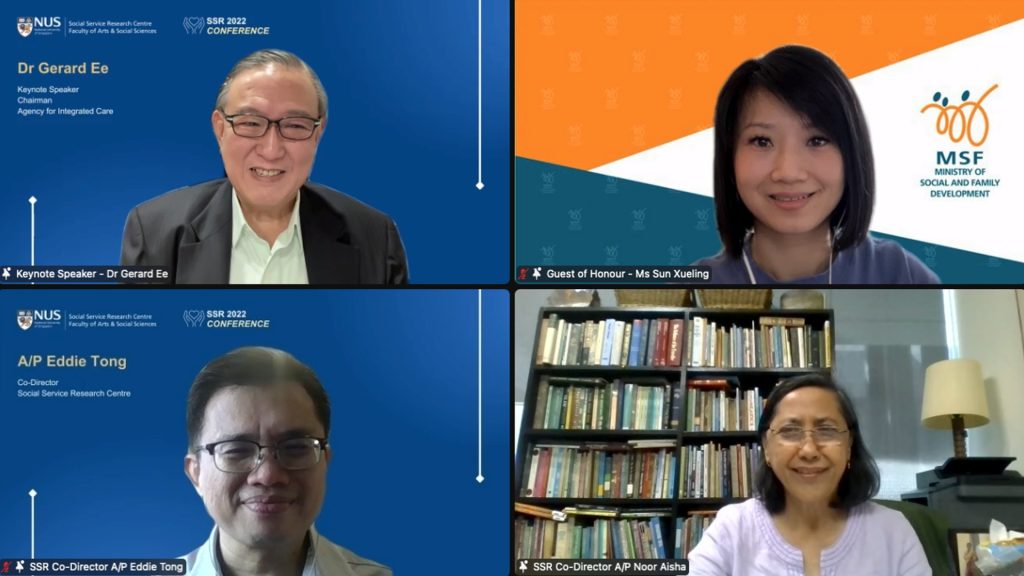
Families here have weathered severe strain during COVID-19, but with support from the social service sector, they can emerge stronger and closer than ever before in the post-pandemic era.
As Singapore moves towards a COVID-19 endemic state, a key focus should be on upholding families, especially disadvantaged ones, speakers stressed at the 2022 Social Service Research Centre (SSR) Conference held on World Social Work Day on 15 March.
About 20 researchers and experts from a wide range of multidisciplinary fields, from healthcare to social work practice, shared their insights at the event organised by SSR, which is part of NUS’ Faculty of Arts and Social Sciences (FASS).
It was a timely discussion, as 2022 is dedicated as The Year of Celebrating Singapore Families, Minister of State Ms Sun Xueling, the guest of honour at the online event, told the audience.
“As we transition towards living with COVID-19 in our midst, we must continue to evolve the social service sector to keep pace with various needs, such that we can make Singapore the best place for families,” said Ms Sun, who has two portfolios – Ministry of Social and Family Development (MSF) and the Ministry of Education.
COVID-19 magnified existing challengesThe pandemic has compounded challenges for many families, especially the lower-income ones and those facing financial difficulties, unemployment or poor health, Ms Sun observed. Many also struggle with childcare and facilitating their children’s home-based learning.
These issues are not new. Dr Gerard Ee, the keynote speaker at the event, noted that “even before the pandemic, issues such as the need for a stronger community spirit in looking out for each other, social interaction and digital safety existed”.
“COVID has accelerated, expanded and magnified such issues,” added Dr Ee, Group Chairman for all the Canossa programmes in Singapore, the Agency for Integrated Care and the Charity Council.
Challenges for social workersSocial workers, too, struggled during the pandemic.
“By the very nature of their jobs, social workers are already quite vulnerable to stress and burnout. COVID-19 increases this vulnerability,” pointed out SSR Co-Director and Associate Professor Eddie Tong from FASS’ Department of Psychology.
He cited a study in June 2020 that found that close to half of frontline social workers in Singapore reported mild to severe levels of depression and anxiety.
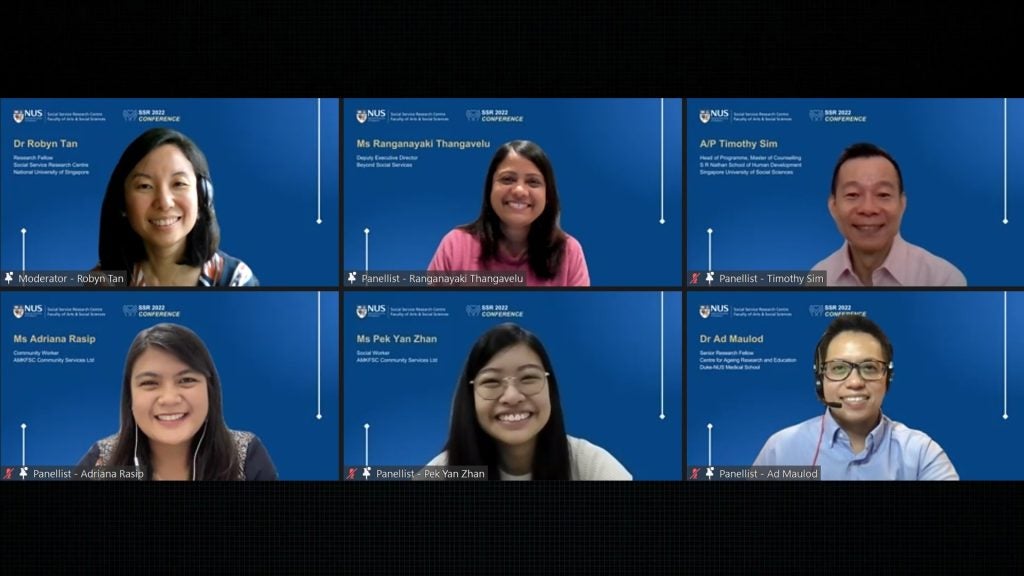
The pandemic also created an extremely challenging climate for conducting research, recalled Dr Ad Maulod, Senior Research Fellow at Duke-NUS Medical School’s Centre for Ageing Research and Education.
He recounted how researchers seeking to conduct five qualitative evaluation projects on older persons and their caregivers faced severe limitations during the pandemic that made in-person interviews difficult.
Digital illiteracy also made online interviews challenging for many elderly. The teams were rejected by some 75 per cent of the people they approached for interviews – an “unprecedented rate”, said Dr Maulod.
Adaptation and resilienceDespite the heightened challenges, however, many families and social workers have pulled through.
“Many Singaporeans have shown considerable resilience and optimism during the pandemic,” said Assoc Prof Tong.
To counter the isolating effects of the pandemic, community and service workers have sought to boost inclusion and empowerment of residents and beneficiaries within a community, said speakers on the first panel, which focused on “Community and Social Development in the post-pandemic era”.
At the new 643 Community Hub in Ang Mo Kio, for instance, Ms Adriana Rasip and Ms Pek Yan Zhan of AMK Family Service Centre shared stories and case studies about how residents co-created care programmes for neighbours who required support.
Dr Maulod also spoke of how intergenerational community support complements the family unit as a first line of defence in helping vulnerable older persons thrive in the “new norm”.
The other two panels examined the topics of “Mitigating the effects of COVID-19 on the wellbeing of the youth and elderly” and “Digital inclusion in COVID-19 times and beyond”. Professor Vineeta Sinha from the FASS Department of Sociology also contributed her thoughts during the second panel discussion.
The way forwardDr Robyn Tan, an SSR Research Fellow who moderated the first panel discussion, suggested that the social work sector can review how they can further empower clients and beneficiaries, challenging themselves with the question: “We are helping, but are we helpful?”
For MSF, making “an important shift” in approach from agency – dispensing help based on the way government schemes are organised – to family, where support is designed to meet the specific needs of each family, was a step towards being helpful, Ms Sun said.
For the broader social service sector, Dr Ee called for more “system thinking” in social programmes to address the individual’s needs more holistically, while creating a national glossary and taxonomy in order to standardise the way data is communicated.
He also emphasised the importance of examining issues with greater granularity to reflect the diverse views and values in our multicultural community.
More than 230 social service professionals, researchers and scholars attended the virtual conference, which has provided plenty of food for thought, and ideas and insights to sustain Singaporean families and communities in the years ahead. Since its launch in April 2015, SSR has been engaging the social service sector in impactful social service research and spearheaded research capability development programmes for social service agencies.
This article first appeared on NUSNews on 23 March 2022.
Open House 2022 Engages and Excites
IN BRIEF | 30 min read
- The ever-popular NUS Open House hit new heights this year, attracting over 8.61 million visitors – a 26.2 per cent increase from the 6.83 million visitors that attended last year's online Open House.
- From 26 Feb to 5 Mar, visitors crowded the websites, livestreams, webinars and social media sessions hosted by the University's colleges, faculties and schools. There was something for everyone, and the event covered everything from academic courses to student life and entrepreneurship programmes.

The ever-popular NUS Open House hit new heights this year, attracting over 8.61 million visitors – a 26.2 per cent increase from the 6.83 million visitors that attended last year's online Open House.
From 26 Feb to 5 Mar, visitors crowded the websites, livestreams, webinars and social media sessions hosted by the University's colleges, faculties and schools. There was something for everyone, and the hybrid event covered everything from academic courses to student life and entrepreneurship programmes.
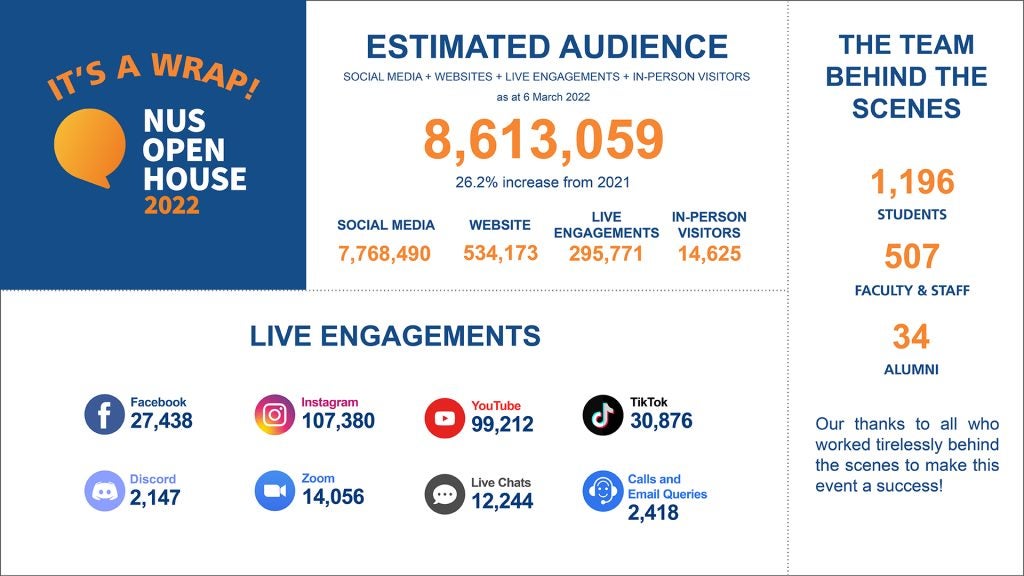
While much of the engagement happened online, prospective students got to meet NUS students and staff face-to-face for the first time since the pandemic started.
The physical Open House, held one sunny Saturday on 5 Mar, included numerous booths showcasing the University’s wide-ranging academic options and vibrant student life; sample classes and talks to get a taste of varsity life; and tours of the different colleges, faculties, and schools.
Prospective students gave the hybrid format a thumbs-up.
Joshua Chua, an alumnus of Anderson Serangoon Junior College, appreciated the online sessions and felt the physical Open House was a huge differentiating factor.
“The (physical) Open House really gave me a good image of what living and studying at NUS could look like by virtue of being an in-person event as opposed to it being virtual, so I'm really grateful to NUS and everyone involved for having this opportunity during the pandemic,” he said.
On her part, Hwa Chong Institution alumna Elsie Woo, who attended both the online and in-person sessions, said, “The experience was really welcoming and wholesome, and really exposed me to NUS as a whole.”
Showcasing the country’s first honours college
One of the highlights this year was the NUS College, Singapore’s first honours college. It will accept its first batch of students this year.
Prospective students were treated to online webinars on the College’s distinctive curriculum, its global pathways, and its focus on hands-on experiential learning. In more intimate breakout rooms, staff and student volunteers readily answered questions about student life and academic pathways. By having a home college or faculty – say Business or Science – while simultaneously being enrolled at NUS College, students will be able to get an educational experience that is as broad as it is deep.
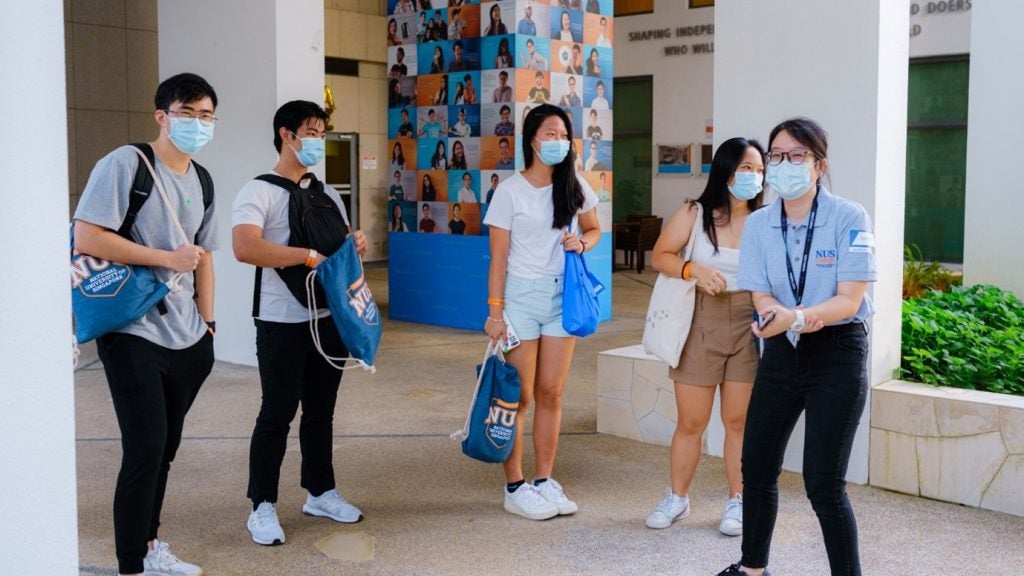
The in-person activities featured a tour of the facilities and residential options that NUS College students would be able to enjoy.
Elsie Woo was one of many students drawn to NUS College’s unique offerings.
“I attended a few webinars, including introductory talks for NUS College and Food Science and Technology,” said Elsie, who also visited many booths in-person.
“The sessions were very well-planned and the seniors were extremely helpful and patient.”
Nanyang Polytechnic alumnus Koh Jin Yuen focused his time on NUS College, attending the College’s guided tour and virtual sharing sessions.
“The NUS College tour was informative as I got to ask the facilitators about their experiences. I think the curriculum is very meaningful,” said Jin Yuen.
“The Open House helped to deepen my understanding of how NUS College works, and allowed me to better understand the lifestyle of a student from NUS College.” He is intending to apply for the Information Systems programme offered by NUS Computing, as well as NUS College.
Ramping up interdisciplinary offerings
Exciting developments in the realm of interdisciplinary education—a major theme that NUS has been championing—were foregrounded at the Open House, with the College of Design and Engineering (CDE) also taking in its inaugural cohort. A result of the merger of the Faculty of Engineering and the School of Design and Environment, CDE is set to transform the NUS educational experience.
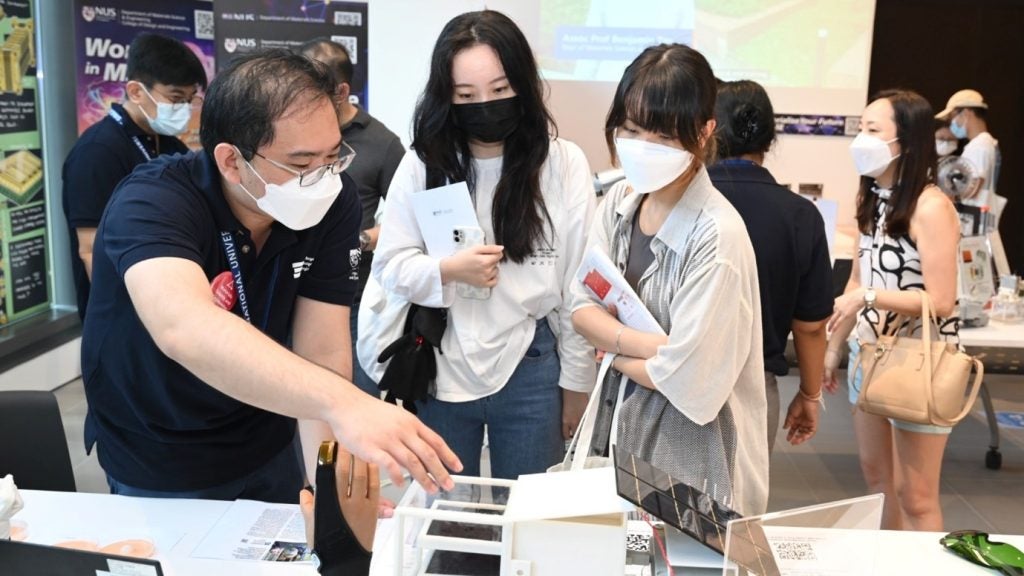
Across five galleries and 19 sub-categories, including Architecture, Industrial Design, Materials Science and Engineering, Biomedical Engineering, and Civil Engineering, visitors were presented with an informative display of the wide range of courses and programmes that will be on offer in the new College.
Raffles Institution alumna Grace Zai, who visited the Designing the Future exhibition and galleries, said, “The Engineering galleries were very informative as I could ask questions I had about the course, as well as student life, and get a clearer picture of what I would be studying and doing. It helped me make a more informed decision on my choices.”
Grace is considering applying to Engineering Science and Architecture, as well as Mechanical Engineering and Electrical Engineering with a specialisation in robotics.
There were also panel discussions, both online and in-person, where faculty and current students interacted with prospective students to share their experiences and answer questions about the new interdisciplinary curriculum.
“As a prospective student, I got to see first-hand the school facilities, as well as the accommodations. My experience was pretty enriching and enlightening because I could ask the professors questions I had in mind and learn more about the courses,” said Timothy Tay, a graduate of Victoria Junior College who visited the SDE gallery on Sustainable Innovations.
“For example, I did not realise Project Facilities Management (PFM) was recently changed to Infrastructure Project Management (IPM). The professor explained that students will now graduate with a BEng degree rather than a BSc degree,” he recalled, referring to the first interdisciplinary full-time undergraduate programme to cover engineering, design, management, technology, building science and law modules.
Information was also available on the vibrant student life of the College’s various clubs and societies, as well as career programmes that enable students to better understand their interests and what it takes to marry that with industry skills and experience.
“The NUS Open House provided me with a more informed perspective on the courses offered in NUS. The various booths set up and run by students allowed for quick chats about what the courses have to offer. The responses by the students and professors were engaging and genuine, which I found informative in making my choice for courses in NUS,” said Kalepu Sai Sri Akshath, who attended CDE’s online and in-person events with his family and is intending to apply to Computer Engineering.
Drone-sensing demonstrations and the Solar Roof Tour, 5G Lab Tour, and BEEHUB Tour further showcased the College’s manifold facilities. Visitors also got a first-hand experience of NUS’ very own net-zero energy building through tours at SDE4, itself a product of both architecture and engineering, and the first of its kind in Singapore.
A marriage of the humanities and sciences
Continuing in the vein of interdisciplinarity and equipping students with a multifaceted, integrated toolbox of skills to thrive in the future economy is the College of Humanities and Sciences (CHS), which will be accepting its second intake this year.
Seminars about the CHS Core Curriculum were available at the Open House, as well as informative masterclasses that covered a vast range of interdisciplinary topics.
The Data Science and Economics masterclass saw Assoc Prof Lim Tiong Wee and Assoc Prof Chen Ying (Statistics & Data Science, Faculty of Science) and Dr Denis Tkachenko (Faculty of Arts and Social Sciences) break down the complexities of the digital economy with real-life examples, and explicate its relevance to Singapore’s Smart Nation goals.
The new Data Science and Economics (DSE) cross-disciplinary programme will be the first of its kind in Singapore to integrate knowledge across these two disciplines.
“I got to understand how data science and economics complement each other,” said Russell Hor, a graduate of St. Joseph's Institution who has finished National Service and is enrolling in CHS this year.
Vanille Goh, who graduated from Anglo-Chinese Junior College and attended the Geography and Environmental Studies masterclasses, said, “[The masterclasses] provided me with a good overview of how passionate the lecturers were and how each course will adequately prepare me for what I would want to do in the future.”
Nanyang Junior College alumna Wen Xinyue also appreciated the in-person masterclasses, adding that they gave her a first-hand glimpse into studying humanities at the university level.
“I am interested in studying English, and from the English Language and Literature masterclass on Gender, Sexuality and Language, I learnt about how entrenched gender roles and stereotypes can be within the language we use,” she shared.
Meanwhile, over at the “Insights into Southeast Asia from the Martial Arts Perspective” masterclass, Dr Mohamed Effendy of NUS Southeast Asian Studies presented prospective students with a riveting intellectual and visual treat, demonstrating how useful unique perspectives on the region’s myriad communities can be gleaned by studying them through the lens of the martial arts. Students saw the concepts brought to life – witnessing first-hand an exciting live demonstration by practitioners of pencak silat – of how Southeast Asian warriors of old defended themselves using a wide array of techniques and weapons.
Action aplenty
There was action aplenty among other faculties. NUS Business School’s programmes included a 360 live tour, as well as live chats with the BBA Deans on the different majors offered by the School. Its in-person sessions included sharing sessions by the BBA Deans, BIZCareers advisors, and student ambassadors.
Year 4 Accountancy and Finance undergraduate Calvin Chur was one such student volunteer, serving as an emcee for the online Open House and sharing in-person on 5 Mar about life at the Business School.
“It was a tiring, but extremely fulfilling day engaging with prospective students, learning about their concerns with regards to entering a new phase of life and trying to address those concerns,” said Calvin. “In fact, many of their concerns mirrored those that I had as a fresh A-level graduate attending the NUS Open House back in 2016 – and I am glad that I could offer insider insights to help them make an informed decision at this major milestone of their lives.”
Year 4 Real Estate undergraduate Natasha Liem, another student volunteer who served as an emcee, added, “There was quite a large number of viewers for the panel and a prospective student actually sent me a message on Instagram to enquire more about real estate from a student's perspective. I think the panel went well!”
For NUS Business School Executive (Marketing & Outreach) Ms Casey Jean Grant, it was an eye-opener to experience the whole planning process.
“Most of the students and parents were very curious and excited about the prospect of coming to NUS Business School,” she added. “Their excitement definitely rubbed off on us and made the rest of us excited to share about our School.”
With frontline healthcare workers being in the spotlight these couple of years, there was plenty of interest in NUS Dentistry, NUS Nursing, NUS Medicine, and Duke-NUS Medical School. Live demonstrations were conducted and prospective students got a taste of what it would be like to be a dentist, nurse or doctor.
Serving up a slice of campus life
Whether on the screen or in the flesh, visitors to the Open House also witnessed the rich and vibrant student life beyond the classroom that NUS is known for.
Besides holding talks to acquaint visitors with the wide range of co-curricular activities available, student clubs and societies rose to the occasion at the Student Village showcases to feature a spectacular smorgasbord of music, dance and sporting performance across the eight days that Open House was on. Visitors were serenaded by soulful tunes by the NUS Jazz Band and wowed by the moves of NUS Kendo Club. They were also treated to cheerleading displays, snazzy dance performances by NUS Funkstyle and BreakiNUS, catchy renditions of contemporary pop and choral music by the a cappella group Resonance, and the dulcet tones of TheNUSChoir and the NUS Mandopop group Voices.
"It was really lively with dozens of booths as well as live performances put on by really talented students! It truly allowed me to understand the culture here and makes me want to be a part of it after experiencing first hand,” Vanille Goh shared.
Students and hall masters from the halls and residences also conducted informative residential life talks, A-Day-in-the-Life-Of vlog sessions and Ask-Me-Anything sessions to help students interested in on-campus living understand its manifold aspects like academic programmes and pastoral care.
These were complemented by in-person tours of King Edward VII Hall, NUS College, Ridge View Residential College, Tembusu College, RC4, and Pioneer House, NUS’ newest housing model, giving participants a real taste of the sense of community and camaraderie that comes with residential life in NUS.
Joshua Chua, who also participated in the RC4 tour, said, “The RC4 tour was definitely a highlight because the tour guide, as with most staff and students, was welcoming and frank, which eased my nervousness.”
Matthew Yeow, an alumnus of Anglo-Chinese School (Independent) who attended both online and in-person sharing sessions by student residents of the Residential Colleges, said, “During the physical Open House, I had the opportunity to find out a lot more about the residential colleges and what made them distinct from halls. Furthermore, I also got to find out more about the individual residential colleges and their communities, as well as the additional modules they took.”
“As a prospective student, I think the Open House was executed effectively through both the online and physical mediums. Having the opportunity to come down and visit the University and talk to the current students gave me a better understanding of student life in NUS,” he added.
This story first appeared on NUSNews on 8 March 2022.
New Courses for the New Economy
IN BRIEF | 5 min read
- NUS is offering a number of new programmes to prepare graduates for the future, including the much-anticipated Major in Anthropology, and Minor in Interpreting by the NUS Department of Chinese Studies.
The University’s key theme of preparing undergraduates for the workplace of the future will be further enhanced with the launch of new majors, minors and degree specialisations in the upcoming academic year. About 10 new courses are on the cards.
New programmes from the NUS College of Design and Engineering (CDE), NUS Faculty of Science, NUS School of Computing, and NUS Faculty of Arts and Social Sciences will cover areas such as Artificial Intelligence, technology, data science, sustainability, globalisation. They will add on to the interdisciplinary offerings by the flagship NUS College, Singapore’s first honours college welcoming its first cohort in August – as well as those by the College of Humanities and Sciences (CHS).
“The overall goal of all our education reform efforts is to advance a university curriculum that prepares students well for a Fourth Industrial Revolution world and workplace,” said Professor Bernard Tan, NUS Senior Vice Provost (Undergraduate Education).
“Our education, focused on both breadth and depth, ensures that our graduates are held in high regard by employers. Last year, more than nine in 10 NUS graduates secured a job within six months of their final examinations.”
New majors and minors
Bachelor of Engineering (Infrastructure and Project Management)Offered by CDE’s Department of the Built Environment, this degree will equip graduates with the knowledge and interdisciplinary skills to excel in the multifaceted built environment. This is the first interdisciplinary full-time undergraduate programme to cover engineering, design, management, technology, building science and law modules. Major in Anthropology
Offered by the NUS Faculty of Arts and Social Sciences to all CHS students, this major will study the range of human diversity, accounting for how people in different times and places have developed into distinctly different societies. The degree will expose students to a vast variety of different beliefs and health practices, economic and political systems, material culture, and even different notions of beauty, the environment, food, family, and the good life.
Anthropology is much sought after for the sort of training it offers its students – a ground up approach to developing deep understanding on just about every aspect of the human condition. Students will be equipped to better understand and deal with the chaos, uncertainty, and ambiguity that characterises the contemporary age.
Second Major in Sustainable Urban DevelopmentOffered by CDE’s Department of Civil and Environmental Engineering, it aims to train the next generation of urban problem-solvers. They will be equipped with interdisciplinary knowledge and skills to create sustainable urban environments in the context of the changing climate. Open to all NUS undergraduate students, this major is stackable to students’ primary major in their chosen field, and can be completed in four years with no additional academic workload. Second Major in Nutrition
This will be offered by the Faculty of Science to all CHS students, including those reading Food Science and Technology as the primary major. It is designed to equip students with knowledge in human nutrition, providing them with the necessary foundation to develop a cross-disciplinary perspective along the food supply chain – from farm to fork to health. Minor in Interpreting
Multilingualism is a defining characteristic of Singapore’s multi-ethnic, immigrant society. With four official languages and with English as the working language, translating and interpreting between each of the mother tongues and English has always been a prominent feature of Singapore society. Against this backdrop, the NUS Department of Chinese Studies has placed as one of its core objectives, the training of graduates with strong Chinese-English bilingual skills who can become leaders in the translation and interpreting arenas.
This new Minor will allow students a related alternative to translation, or as an affiliated Minor to Translation which is already being offered at the Department.
New specialisations
Three new specialisations will be offered by the NUS School of Computing:
Specialisation in Digital Product and Platform ManagementThis will be offered to students pursuing the Bachelor of Computing (Information Systems) Degree. They will build up a repertoire of knowledge and skills sought after by both technology companies and the digital immigrant companies that are fast adopting the product- and platform-centric technology and business operating models. Specialisation in Intelligent Systems Solutioning
Students pursuing the Bachelor of Computing (Information Systems) Degree can also take this new specialisation to learn to implement and apply intelligent system solutions buttressed by the new technologies of Artificial Intelligence, the Internet of Things, and Augmented Reality. They will learn to apply these new technologies in software engineering, and to implement and manage intelligent system solutions. Graduates will be able to take on job roles in intelligent systems engineering and solutioning. Specialisation in Machine Learning-based Analytics
This new specialisation for Bachelor of Science (Business Analytics) students will enable students to tap into the analytics capabilities of Machine Learning, a sub-field of Artificial Intelligence. They will learn to rapidly and automatically develop models that can quickly and accurately analyse massive, complex data sets, in order to help businesses unlock the value of corporate and customer data and enact decisions that keep them ahead of the competition. Graduates will be able to take on careers in the rapidly-growing business and data analytics field, among others.
New modules
Aside from the new majors, minors and specialisations, a number of new modules are being offered. For instance, the NUS School of Computing is starting a Digital Ethics and Data Privacy module to educate students on this pertinent and pressing issue.
The NUS Faculty of Law is introducing two modules – one on Law & Technology and one on Data Literacy – as technology and data are increasingly being key drivers for the legal industry.
Find out more about the courses offered by the University, and explore this year’s Open House. Here are four things to look out for at the Open House.
This story first appeared on NUSNews on 24 February 2022.
NUS Open House 2022: Interdisciplinary Offerings, In-person Activities and More!
IN BRIEF | 5 min read
- NUS Open House 2022 is back with opportunities for prospective students to meet NUS professors, students and alumni face-to-face, after two years of connecting virtually.
- Running from 26 February through 5 March, NUS Open House 2022 will begin with a comprehensive line-up of informative activities, including the online segment, during the week leading up to the physical Open House, which takes place on Saturday, 5 March from 9 am to 7 pm across NUS’ campuses in Kent Ridge and Bukit Timah.

NUS Open House 2022 is back with opportunities for prospective students to meet NUS professors, students and alumni face-to-face, after two years of connecting virtually.
The physical event will take place on Sat, 5 Mar from 9am to 7pm across NUS’ campuses in Kent Ridge and Bukit Timah. This will be preceded by a comprehensive line-up of informative activities during the week leading up to the physical Open House.
Including the online segment, NUS Open House 2022 takes place from 26 Feb to 5 Mar. Here’s a heads-up on four things to check out:
1. Exciting interdisciplinary offerings
NUS College, Singapore’s first honours college, was formed by the merger of the University Scholars Programme and Yale-NUS College. Offering an immersive, experiential and interdisciplinary educational journey, it will welcome its first batch of students this year. Students will have a home college or faculty, say, Business or Engineering, while simultaneously being enrolled at NUS College. There, they will have the opportunity to enjoy a holistic interdisciplinary curriculum that is complementary to their major.
Another option for interdisciplinary learning can be found at NUS College of Design and Engineering. The College offers a programme that prepares students for the future through interdisciplinary learning and robust research in the fields of engineering and design. At the College, students are given the flexibility to build and design their own learning experience.
The NUS College of Humanities and Sciences, the enhanced undergraduate experience for students of the Faculty of Arts & Social Sciences and the Faculty of Science, is accepting its second intake this year. The College offers 13 Common Curriculum pillars consisting of modules such as scientific inquiry, humanities, digital literacy, design thinking, artificial intelligence and many more exciting options. These are complemented by majors and minors spanning the arts, humanities and sciences, such as global studies, philosophy, theatre and performance studies, quantitative finance, data analytics and pharmaceutical science. Students can pick and choose modules to create a customised curriculum that matches their interest and aspirations.
To ensure that graduates are ready to take on leading roles in the New Economy, NUS constantly develops new courses. Here are this year's new offerings.

2. Meeting you in person - again
After two years of meeting virtually, the NUS community is excited to get together in real life with prospective students once again!
You can look forward to an enlightening schedule of in-person activities including a tour of the Centre for Healthcare Simulation by NUS Nursing; tours of residential living options such as Tembusu College, CAPT (College of Alice & Peter Tan), and RC4; a live demonstration of a moot court session and tour of the NUS Bukit Timah campus by NUS Law; tours and a showcase of NUS College; as well as a live question-and-answer session with Duke-NUS Medical School.
3. Webinars, talks, live chats, hotlines and more
Get a taste of life as an NUS student, even before the physical event. A host of insightful webinars, talks, question-and-answer sessions, live chats, hotlines, and virtual tours have been arranged starting 26 Feb to give you a head start on topics such as admissions, student life, and on-campus living, as well as programmes offered by NUS College, the College of Design and Engineering, the College of Humanities and Sciences, Business, Music and many more.
Obtain behind-the-scenes knowledge from NUS student ambassadors and the NUS Students’ Union on the rich student life available at NUS, and be serenaded by NUS Choir and NUS Jazz Band.
Professors will be on hand to share information on their respective programmes, and you’ll even have a chance to sit in on classes. Have a question that is not covered by the briefing? No sweat! There’ll be chat sessions with NUS Admissions, professors and students from selected programmes during which you can get your queries addressed.
Click here for the list of virtual and in-person activities for NUS Open House.

4. Exciting student life
NUS offers a myriad options for a rich student life, and NUS Open House is the perfect place to start exploring the possibilities. Many alumni recall their NUS days fondly, remembering not only the academic progress they made, but the camaraderie forged with friends from clubs, societies and on-campus residences.
Throughout the period of the online Open House and during the physical event, representatives from various student-led groups will speak on topics including hall life, clubs and societies, as well as campus performing groups. Take part in a live session with music and dance groups, embark on a virtual residential tour, and more.
We’re looking forward to seeing you online from 26 Feb and in-person on 5 Mar!

This story first appeared on NUSNews on 23 February 2022.
FASS Inspiring Mentor 2021 Award Winners Announced

The NUS Faculty of Arts and Social Sciences is proud to announce the winners of the 2021 FASS Inspiring Mentor Awards.
Congratulations to:
- Prof Jack Qiu Linchuan, Professor, Department of Communications and New Media
- Assoc Prof Loy Hui Chieh, Associate Professor, Department of Philosophy
- Assoc Prof Robin Loon Seong Yun, Associate Professor, Department of English Language and Literature
- Dr Michael Yoshitaka Erlewine, Assistant Professor, Department of English Language and Literature
- Dr Nina Laurel Powell, Senior Lecturer, Department of Psychology
Winners of AY2020-21 Faculty Teaching Excellence Awards Unveiled
 The NUS Faculty of Arts and Social Sciences is proud to announce the 37 winners of the Faculty Teaching Excellence Award for their work in AY2020‐21, 16 of which have also been nominated for the Annual Teaching Excellence Award(ATEA) and Annual Digital Education Award (ADEA).
Special thanks are due to members of the Faculty Teaching Excellence Committee–Dr Susan Ang (English Language and Literature and Chair of FTEC), A/P Loy Hui Chieh (Philosophy; FASS Vice‐Dean), A/P Lim Wee Hun, Stephen (Psychology), Dr Gilbert Yeoh (English Language and Literature) and Mrs Chen Ing Ru (Centre for Language Studies)–for their efforts in shortlisting and nominating the winners.
|
NAME |
DEPARTMENT |
|
Mr Appriou Yannick Francois |
Centre for Language Studies |
|
Ms Baranska, Malwina |
Centre for Language Studies |
|
Ms Klayklueng, Sasiwimol |
Centre for Language Studies |
|
Ms Morita, Kazuko |
Centre for Language Studies |
|
Dr Chaidaroon Suwichit |
Communications and New Media |
|
Dr Hong Renyi |
Communications and New Media |
|
Dr Mitchell, Alexander Ian |
Communications and New Media |
|
Dr Shobha Avadhani |
Communications and New Media |
|
Mr Tan Kai En |
Communications and New Media |
|
Dr Timothy Wong Chong Ji |
Economics |
|
Dr Vu Thanh Hai |
Economics |
|
A/P Michelle M. Lazar |
English Language & Literature |
|
Dr Miguel Escobar Varela |
English Language & Literature |
|
A/P Starr Rebecca Lurie |
English Language & Literature |
|
A/P Thell Anne Marie |
English Language & Literature |
|
Dr Roy, Tania |
English Language & Literature |
|
A/P Chang Tou Chuang |
Geography |
|
A/P Daniel Adam Friess |
Geography |
|
Dr Gretchen Christina Coffman |
Geography |
|
Dr Kamalini Ramdas |
Geography |
|
Dr Kenney-Lazar Miles Richard |
Geography |
|
Dr Teo Sheng Kiat, Shaun |
Geography |
|
Dr Donna Maree Brunero |
History |
|
Dr Lawrence, Kelvin |
History |
|
Dr Sayaka Chatani |
History |
|
Dr Beddor, Robert Speeter |
Philosophy |
|
Prof Bain, William Ward |
Political Science |
|
Dr Dunya Deniz Lepori |
Political Science |
|
Dr Jia Lile |
Psychology |
|
Dr Nina Laurel Powell |
Psychology |
|
Dr Wong Shi Hui Sarah |
Psychology |
|
Dr Peace Wong Yuh Ju |
Social Work |
|
Dr Chua Hui Ching, Emily |
Sociology |
|
Dr Elliott Edward Prasse-Freeman |
Sociology |
|
Dr Jennifer Emily Estes |
Sociology |
|
Dr Noorman Abdullah |
Sociology |
|
Dr Radics, George Baylon |
Sociology |
Congratulations to them all!
FASS Announces New Additions to Leadership Team
IN BRIEF | 2 min read
The NUS Faculty of Arts and Social Sciences is pleased to announce recent new appointments to the Faculty's leadership team.
Three eminent members of the Faculty received new appointments to the Deanery at the beginning of this year:
- Professor Joseph Park (English Language and Literature)
Vice-Dean (Undergraduate Studies) - Dr Zhang Yang (Economics)
Associate Dean (Undergraduate Studies) - Dr Noorman Abdullah (Sociology)
Assistant Dean (External Relations and Student Life)
We wish them the very best with their new portfolios. Click here to visit the FASS Deanery page.


NUS Bags Major PR Award for College of Humanities and Sciences Campaign

One year since the official inauguration of the NUS College of Humanities and Sciences (CHS), the publicity campaign for the new College has gained recognition at the recent Public Relations in the Service of Mankind (PRISM) Awards.
The University bagged a Distinction Award in the category “Outstanding Campaign by a Non-Government Organisation or Not-For-Profit Organisation” for the launch and publicity of the interdisciplinary College.
The award recognises NUS’ effective communications regarding the necessity of an interdisciplinary education to faculty members, prospective students and their parents, alumni, employers, and members of the public.
The campaign also underscored what CHS offers students in a world plagued by complex challenges that require integrated interdisciplinary approaches. The campaign included the launch event, student profiles, social media, and CHS collaterals and media assets in the form of CHS-specific infographics, news and FAQs.
The campaign also included a video series on interdisciplinarity, a podcast series by the teaching team of the common curriculum Humanities module, and stakeholder endorsement in the form of testimonials from students and alumni of NUS Faculty of Arts and Social Sciences (FASS) and the NUS Faculty of Science (FoS) who have pursued interdisciplinary studies. A successful admissions publicity campaign was run, including the 2021 NUS Open House which drummed up interest in the College with student and employer panels, small group tours, and student chat rooms.
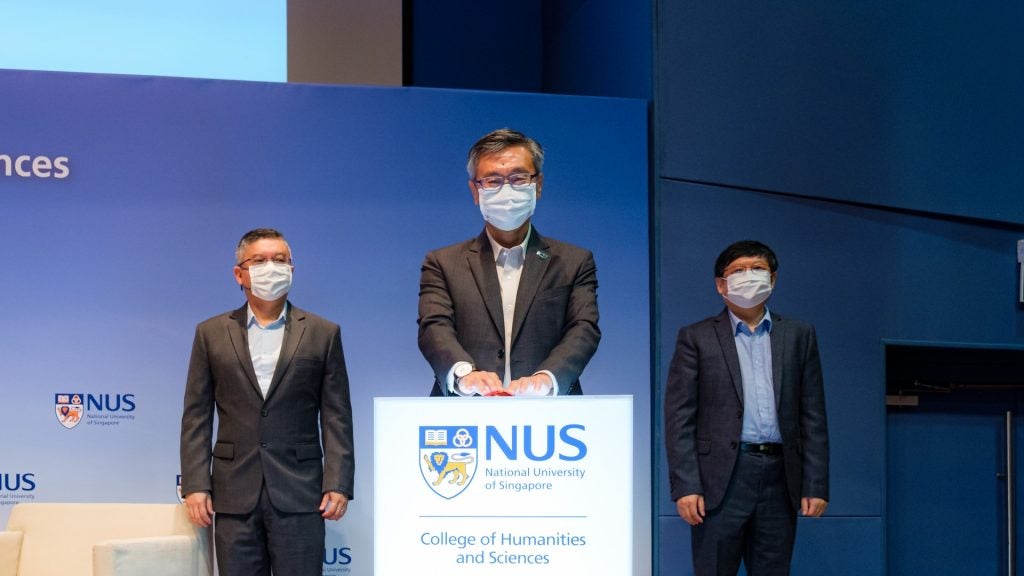
The accolade from PRISM, which coincides with the one-year anniversary of the official inauguration of CHS, bears testament to the concerted effort on multiple fronts of the campaign by various stakeholders, including the Communications teams from FASS and FoS, the NUS Office of University Communications and communications agency AKA Asia.
“The award comes as a truly wonderful one-year anniversary gift to all our colleagues involved in the CHS campaign,” said NUS Chief Communications Officer Ms Ovidia Lim-Rajaram.
“It is gratifying to know that our efforts to kickstart a meaningful, groundbreaking programme at the College are paying off, and that the journey to promoting an interdisciplinary, 21st-century educational experience at NUS is off to a great start.”
Communications at CHS is co-led by Mr Nisar Keshvani, Associate Director for Strategic Outreach and Communications at FASS, and Ms Janice Quah, Associate Director for Corporate Communications at FoS.
“The campaign award, a result of the synergy and collaboration across diverse University faculties and departments, epitomises the spirit of interdisciplinarity that CHS values, and the idea of capitalising on each other’s strengths to achieve the best outcomes,” Mr Keshvani said.
Ms Quah added, “It has been a challenging journey but seeing our communications ideas collectively come to fruition is truly fulfilling! The validation of the hard work motivates us to continue raising the bar, to sustain the impactful profiling of CHS to students and stakeholders.”
Recognising the best in public relations
Celebrating 44 winners across 27 categories, the PRISM awards ceremony was held on 15 Dec by the Institute of Public Relations Singapore (IPRS), the only accrediting body for public relations practitioners in Singapore. The Guest of Honour was Mr Tan Kiat How, Minister of State at the Ministry of Communications and Information (MCI).
Acknowledging the challenges of a shifting communications landscape, Mr Tan said, “MCI recognises the importance of excellence in public relations and communications across all sectors of the economy.”
“The campaigns up for awards today show how all of you have worked around these challenges and continued to achieve excellent levels of reach and impact.”
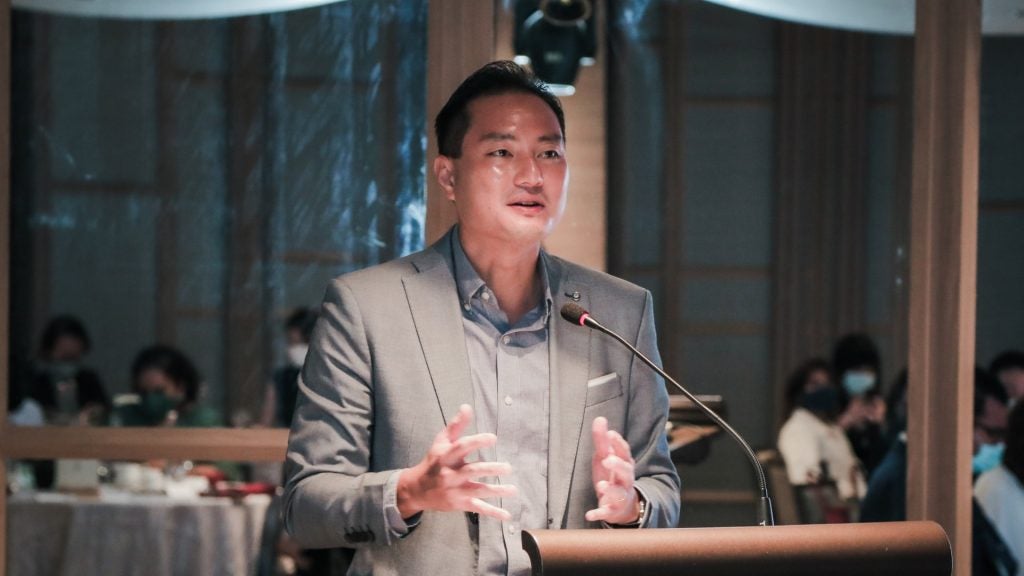
Held biennially since 1987, the PRISM Awards is one of the oldest and most prestigious awards in the industry, celebrating Singapore’s brightest stars in the communications and public relations industry. It is judged by a panel of established business leaders and senior practitioners, recognising and honouring organisations and individuals for excellence in public relations and communications.
Ms Koh Juat Muay, President of the IPRS Council 2021/2023 said, “The winning entries and the winners this year reveal a singular story – the resilience of our people, the ingenuity of the campaigns and strength of the organisations that continues to thrive in an evolving local and global communications landscape.”
“IPRS is privileged to hold PRISM Awards 2021 and share in the pride of profession demonstrated by our people and in the brilliance of their campaigns. Our winners truly embody the meaning of PRISM and that is Public Relations In the Service of Mankind,” she added.
This story first appeared in NUSNews on 21 December 2021.
Why Digital Poverty Deserves Greater Attention
IN BRIEF | 5 min read
- In a recent The Straits Times article, Associate Professor Irene Ng (NUS Social Work & NUS Social Service Research Centre), Dr Natalie Pang (NUS Communications and New Media) and Professor Lim Sun Sun (Humanities, Arts & Social Sciences, SUTD) discuss the social challenge of unequal digital access in Singapore.
- As the nation becomes digitally competitive, there are groups who remain disadvantaged in their access to digital connectivity and literacy. Digital divides, unaddressed, contribute to a heightened social divide over time.
Click through to read this article.
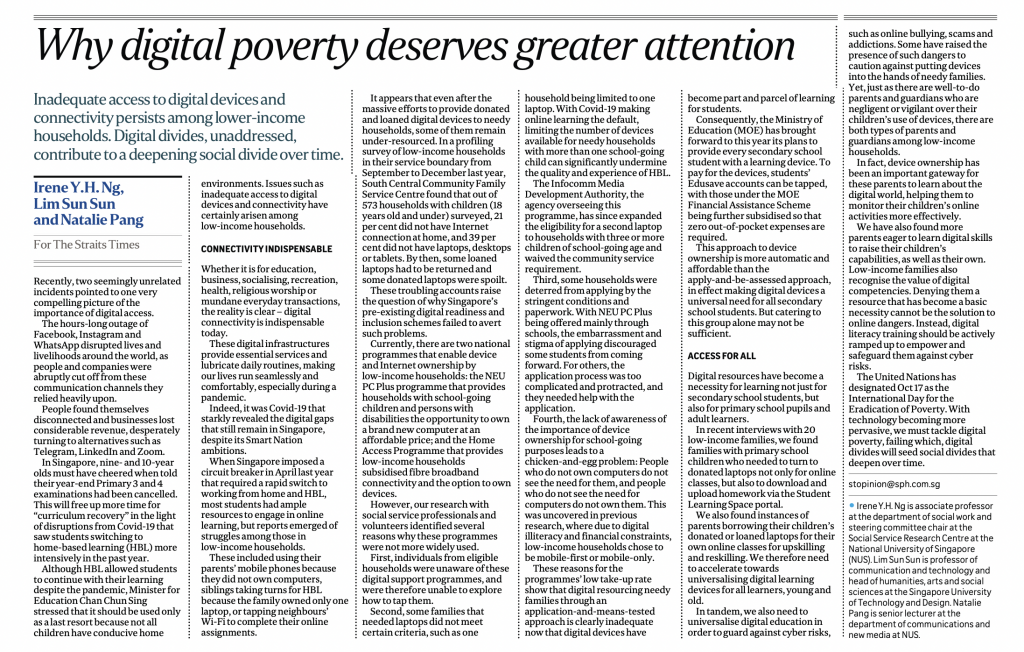
The Straits Times, 15 October 2021
This story first appeared in The Straits Times on 15 October 2021.
NUS Faculty of Arts and Social Sciences' 18th Dean Takes Office
IN BRIEF | 2 min read
-
Dean of the Faculty of Arts and Social Sciences, Professor Lionel Wee, and other members of the Deanery take on their leadership roles today.
Professor Lionel Wee has assumed the position of Dean of the NUS Faculty of Arts and Social Sciences (FASS) and Co-Dean of the College of Humanities and Sciences (CHS) as of today, Friday, 1 October 2021. Prof Wee takes over the helm from Professor Robbie Goh, who is now the Provost of the Singapore University of Social Sciences.
Before becoming FASS' 18th Dean, Prof Wee was the Faculty’s Vice Dean of Research (2014-2021) and is a Provost's Chair Professor of Linguistics with the Department of English Language and Literature, which he headed from 2010 to 2014.
“It is an honour to be given the opportunity to helm the Faculty of Arts and Social Sciences. The Faculty has achieved much since its founding nearly a century ago, continually evolving to anticipate and address the needs and challenges of a changing society," said Professor Wee.
"Together with the Deanery, colleagues, and students of the FASS, I am confident that we will continue to make breakthroughs in both education and research. While these benchmarks are important, diversity and inclusion are priorities for me, and essential pillars of every organisation. My plan is to further emphasise and ensure our staff and students feel empowered and safe in the Faculty in the coming years," he said.
New Appointments to the Strong Leadership
Beginning their new roles with the FASS Deanery today are:
- Associate Professor Elaine Ho (Geography) as Vice Dean (Research). She was previously Assistant Dean (Research).
- Associate Professor Elmie Nekmat (Communications and New Media) as Assistant Dean (Research).
The following members of the Deanery will continue to serve in their respective positions:
- Associate Professor Melvin Yap, Vice Dean (Undergraduate Studies)
- Associate Professor Valerie Wee, Vice Dean (Undergraduate Studies)
- Associate Professor Bruce Lockhart, Vice Dean (Graduate Studies)
- Professor Chen Yi-Chun, Vice Dean (International Relations and Special Duties)
- Associate Professor Loy Hui Chieh, Vice Dean (External Relations and Student Life)
- Mr Mark Teng, Director of Administration
- Associate Professor Sidharthan Maunaguru, Assistant Dean (Undergraduate Studies)
- Dr Zhang Yang, Assistant Dean (Undergraduate Studies)
- Dr Jinna Tay, Assistant Dean (Undergraduate Studies) – recently appointed to the Deanery on 1 July 2021.
- Associate Professor Nicholas Hon, Assistant Dean (External Relations and Student Life)
New NUS Dean of Arts and Social Sciences Appointed
IN BRIEF | 5 min read
-
Professor Lionel Wee will be appointed the new dean of the NUS Faculty of Arts and Social Sciences (FASS) and co-dean of the College of Humanities and Sciences from 1 October 2021.
-
Prof Goh, who has served as the Dean since 2017, will be taking a leave of absence from the University, but will continue to contribute in the Singapore education sector as the new Provost at the Singapore University of Social Sciences from 1 October 2021.
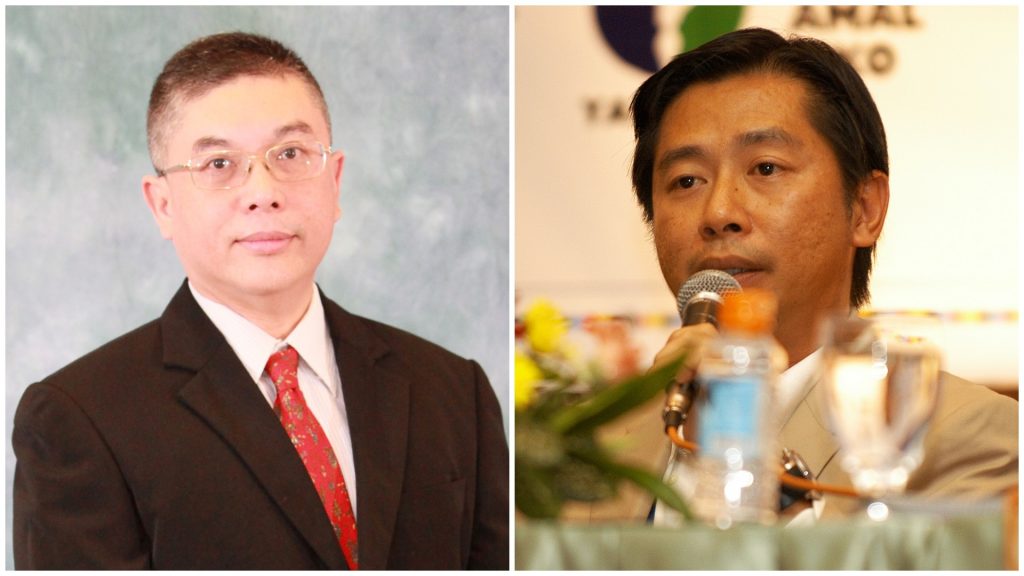
The University today announced the appointment of Professor Lionel Wee as the new Dean of its Faculty of Arts and Social Sciences (FASS) and Co-Dean of the College of Humanities and Sciences. Prof Wee will take over the helm from Prof Robbie Goh as the Faculty’s 18th Dean from 1 October 2021.
Currently FASS Vice Dean of Research and Professor of Linguistics in the Department of English Language and Literature, Prof Wee was appointed Provost’s Chair Professor in July 2017 for his outstanding scholarly achievements.
After graduating from NUS in 1988 with a Bachelor of Arts (First Class Honours) degree majoring in English Language and Sociology, Prof Wee embarked on an academic career, joining the University as a Teaching Assistant with the Department of English Language and Literature. He was awarded the NUS Overseas Graduate Scholarship where he pursued his PhD in Linguistics at the University of California, Berkeley. Prof Wee was appointed as a Lecturer upon his return to Singapore in 1995, and rose the ranks to full Professorship in 2012.
“NUS is pleased that after a rigorous global search, Prof Lionel Wee has been selected to be the next Dean. He is passionate about high quality education and research, and has an excellent understanding of FASS and the University, having served in numerous leadership roles at the department, faculty and university-levels. I am confident that he will bring the Faculty to new heights of international excellence,” said NUS President Professor Tan Eng Chye.
Besides serving as Vice Dean of Research at FASS from 2014 to present, Prof Wee was also the Head of the Department of English Language and Literature from 2010 to 2014. He had also contributed on various committees such as Chair of the FASS Faculty Promotion & Tenure Committee II, Chair of the University Mid-Term Advisory Report Committee, and Member of the University Promotion and Tenure Committee. In recognition of his dedicated service and contributions to NUS and education in Singapore, Prof Wee was awarded the National Day Awards Public Administration Medal (Bronze) in 2020 and the Long Service Medal in 2018.
“I am excited and honoured to be given this opportunity to lead my alma mater as its next Dean. Having spent more than three decades at FASS, both as a student and a faculty member, I have experienced firsthand the selfless commitment of my colleagues and impressive insights our students bring to the study of the arts, humanities and social sciences. I am confident that together, we can continue to make significant contributions to society while enhancing our Faculty’s standing as one of the leading humanities and social sciences faculties in the world,” said Prof Wee.
Besides his passion in linguistics, Prof Wee feels very strongly about animal welfare and is also very much an avid city traveller, although the pandemic has put quite a damper on travel in the past year or so. He also enjoys the cafes, a habit which he picked up during his time as a graduate student in Berkeley. Students and colleagues at FASS may have many a times seen Prof Wee deep in thought at the cafes across the NUS campus. He is very much focused in developing a particular idea or argument once he is seated down and would need to walk around before he can move on to another new idea.
Prof Wee has published widely in international and local journals, and also sits on the editorial boards of a number of academic journals and publications, including Applied Linguistics, English World-Wide, Multilingual Margins, The Journal of Asian Linguistic Anthropology, the “Cambridge Elements: World Englishes” book series, and the “Multilingualisms and Diversities in Education” book series. He is a well-respected scholar with research interests in the areas of language policy (especially in Southeast Asia), the grammar of Singapore English, metaphorical discourse, and general issues in sociolinguistics and pragmatics.
Prof Goh, who has served as the Dean since 2017, will be taking a leave of absence from the University. However, he will continue to contribute in the Singapore education sector as the new Provost at the Singapore University of Social Sciences from 1 October 2021.
Prof Goh said, “It has been a privilege and honour to serve as Dean of one of Singapore’s largest and most historied Faculties. I am grateful to my talented colleagues for all their hard work. I believe that together, we have brought the Faculty to new heights of excellence in teaching, research and service. I look forward to the work of creating new programmes and nurturing talent in my next role as Provost of the Singapore University of Social Sciences, and hope that I will also be able to forge new ties and collaborations between the two universities."
Having spent more than three decades at the University, Prof Goh has taken on numerous administrative and leadership roles outside of the Faculty. He was Deputy Director of the NUS Centre For the Arts from 1996 to 1999, and Deputy Director of the Asia Research Institute from 2008 to 2010.
“On behalf of the University, I would like to express my heartfelt appreciation to Professor Robbie Goh for his dedication and strong stewardship in leading NUS FASS. Under his visionary leadership, the Faculty has made significant contributions to the advancement of education and research in the humanities and social sciences. During his leadership, the FASS 2.0 Industry Tracks programme was started to enhance the employability of its graduates. New multidisciplinary initiatives such as the Philosophy, Politics & Economics programme were also established. The Faculty has also expanded collaborations with industry and further strengthened its high international reputation,” added Prof Tan.
This story first appeared on NUSnews on 13 August 2021. The full press release is here, and Professor Lionel Wee's biography is here.
SSR Receives S$1.4 Million for Capability Development Programme
IN BRIEF | 5 min read
-
The funds from MSF and Tote Board will support SSR in its Capability Development Programme, which consists of four components that aim to improve the practice research capabilities of social service agencies (SSAs) and generate practice research mindshare among the SSAs: research training; research capability development service; conferences and seminars; and, publications.

The Social Service Research Centre (SSR) at the National University of Singapore’s (NUS) Faculty of Arts and Social Sciences is aiming to ramp up practice research capabilities of social service agencies in Singapore. It has received a S$1.4 million boost from the Ministry of Social and Family Development (MSF) and Tote Board for a Capability Development Programme for the next three years.
SSR Steering Committee Chair Associate Professor Irene Ng, who is also from the NUS Department of Social Work, said, “More social service agencies are incorporating research into their practice, but they often lack research capability. The outcomes of each agency’s research should also be shared to benefit the sector, while social services can benefit from academic research findings. We are grateful to MSF and Tote Board for providing the much-needed funding support to expand this work that we have been doing at SSR to help agencies build up their capabilities.”
Since its inception in 2015, SSR has made notable progress in becoming a leader of practice-oriented research consultancy, research training, and research information for the social service sector in Singapore. It has established itself as a strong research partner with social service agencies and government ministries on various topics on low-income households and housing in Singapore. To date, it has undertaken 17 commissioned research projects (including completed and ongoing projects) which received a total funding of S$16.7 million from government and non-government partners. Aside from research, SSR places a focus on developing insightful publications and training programmes, as well as annual conferences and a seminar series.
SSR Director Associate Professor Noor Aisha Abdul Rahman, who is also from the NUS Department of Malay Studies, said, “The MSF and Tote Board funding will allow us to engage a wider pool of relevant expertise, generate greater exchange of ideas through conferences and workshops and enhance research capacity relevant to social service practice.”
Capability Development Programme
The funds from MSF and Tote Board will support SSR in its Capability Development Programme, which consists of four components that aim to improve the practice research capabilities of social service agencies (SSAs) and generate practice research mindshare among the SSAs.
- Research Training
SSR offers two 13-week long mentoring programmes and short workshops every year, catered to SSAs’ needs to enhance their practice-research capabilities. The programmes are run by SSR’s research fellows and experienced practitioner-researchers. Participants take on small-scale research projects that will help them to evaluate the interventions and services they provide to clients whom they are serving. Others take the opportunity to conduct studies that explore on current issues, such as how the COVID-19 pandemic has affected social services for low-income families, or embark on projects that enable them to improve their interventions to targeted beneficiaries.
Please refer to https://fass.nus.edu.sg/ssr/training/ for more information on SSR’s research training programmes.
- Research Capability Development Service
SSAs and government agencies can also tap on SSR’s Research Capability Development Service which provides a research advisory service to help build research capability of social workers and public service officers who engage in social service research. Depending on agencies’ needs, the scope of service could cover the facilitation of the development of a research unit or team, consultancy on research agenda and proposal, supervision of research project, as well as consultancy on the translation of research findings into practice. SSAs have benefited from this service. One such example is Fei Yue Community Services, that had engaged SSR in 2019 for the evaluation of a pilot information and referral service in a law enforcement agency.
Ms Ivana Ong, Research Executive at Fei Yue Community Services, said, “SSR provided the expertise in the evaluation study on matters pertaining to research conceptualisation, research tools development, data collection methods, as well as data analysis. They lent a critical alternative perspective in considering the information and referral service in light of the social service landscape in Singapore, hence providing a holistic perspective to the evaluation of the implementation.”
Please refer to https://fass.nus.edu.sg/ssr/capability-development-service/ for more information on SSR’s Research Capability Development Service.
- Conferences and seminars
SSR will continue its annual conferences which are multi-disciplinary flagship events that bring together about 300 practitioners, policy makers and academics each year. It also conducts a seminar series which has been well-received with an average attendance of more than 170 participants. These events are an opportunity for academics, practitioner-researchers, social work practitioners and public service officers to keep abreast with research findings and knowledge that are important to the social service sector, and to learn from one another.
For information on SSR’s events, please refer to: https://fass.nus.edu.sg/ssr/events/.
- Publications
The funding support will also enable SSR to expand the number and range of publications, such as guides on specific research methods, or international and local best practices relevant to social service research. One of the key publications distributed by SSR is its annual conference proceedings. Last month, SSR published the proceedings of its 5th Anniversary Webinar Series on “COVID-19: Social Impact and Response”, which includes nine research articles from academics and practitioners, comprising insights on the impact of the COVID-19 pandemic on communities, and the response of social services during this period. In the past year, SSR has also published two reports - “From Digital Exclusion to Universal Digital Access in Singapore” and the “COVID-19 Social Data Bank” which reflected the concerns on how the COVID-19 pandemic has affected low-income families in Singapore. Through its quarterly research bulletin, “SSR Snippet”, it also provides an avenue for social service professionals to share and gain new research insights and discussion in Singapore.
For more information on SSR’s publications, please refer to: https://fass.nus.edu.sg/ssr/publications-2/.
Ms Foo Suan Wee, Director and Principal Economist of the Policy Research Office at MSF, said, “An evidence-driven approach is key to a well-functioning social service sector. Social service agencies require a range of services and support to pursue research that informs practice, such as to better understand the needs of their clients and the effectiveness of their programmes. MSF has been funding and working with SSR to further research for the social service sector since its inception. We are very happy to continue our support for SSR, with a sharpened focus on equipping and partnering social service agencies in practice research. SSR is well-positioned for this role, having already established links and a strong track record with many agencies. We are excited to be in this partnership with Tote Board and SSR.”
“One of Tote Board’s goals is to strengthen capability and capacity in the non-profit sector, ensuring that social service agencies remain sustainable and are future-ready,” said Ms Lee Siok Koon, Assistant Director (Capability and Capacity Building) at Tote Board. “Similar to our initiatives like the Organisational Development Programme and acceleration of digitalisation of the non-profit sector, the funding support will boost the sector’s capabilities by driving more robust data-based solutions that help social service agencies improve the services they deliver.”
This story first appeared on the NUSnews on 22 July 2021.
SSR Snippet - Issue 2 May 2021
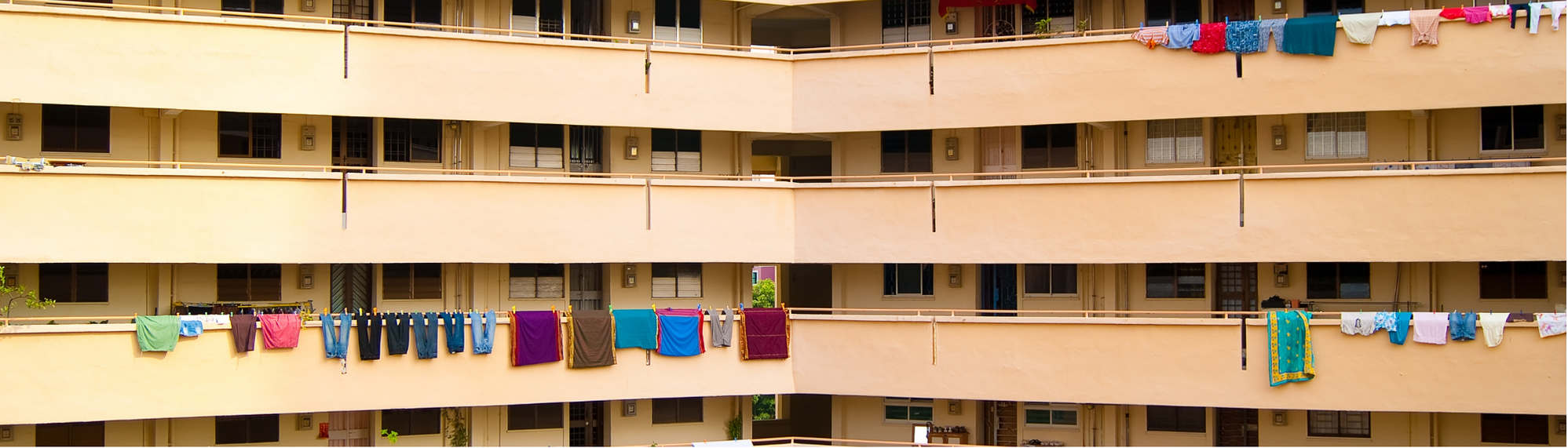
Issue 2 of the Snippet in 2021 is here!
In this issue, we explore how the COVID-19 pandemic has led to severe loss of income, especially for people who were already earning just enough to make ends meet or not even earning enough to make living dignified and healthy. In relation to this, our current Snippet issue showcases the work of an initiative named ‘Mind the Gap’. As its name suggests, Mind the Gap is a response to meet the dire needs of Singaporeans who faced income loss and fell through the gap of accessing help.
We have documented the processes and learning experiences of three members of the MTG collaboration – Beyond Social Services, AWARE and Cassia Resettlement Team (CRT), and a summary of the MTG initiative by SSR. Reading them will provide fresh insights into the challenges and possibilities of improving service provision to those in financial need in general, and particularly those in emergency situations.
We hope you find this issue an insightful and reflective one.
Report on Mind the Gap

Mind the Gap (MTG) is an initiative that was formed in April 2020, during the COVID-19 pandemic, as a result of the public’s desire to donate to those who were financially affected due to the pandemic. The partners in the coalition include social service agencies (SSAs) and ground-up community groups. The coalition approached the Social Service Research Centre (SSR) at the National University of Singapore (NUS) to provide an independent documentation on the fund disbursement processes and the learning experiences among the member agencies. This report aims to fulfil this objective.
This report was based on the data gathered through two rounds of engagement with the MTG members. In the first round, SSR administered a semi-structured survey to the MTG coalition members. This survey aimed to gather factual information on the guiding principles for the use of the funds, the target beneficiaries, documentation required from the applicants and the conditions tied to the assistance. Representatives from eight social service agencies and ground-up groups had submitted their responses. This was followed by a focus group discussion (FGD) conducted over Zoom in the second round of data collection. Twelve individuals from six MTG member agencies/groups attended the FGD, moderated by SSR. Both the semi-structured survey and FGD were conducted in December 2020.
After the FGD was conducted, SSR organised the information provided and drafted a report that was shared with the MTG members. The members provided feedback and clarifications to the draft report. The completed report incorporates the comments and feedback from the MTG members.
SSR is grateful to the MTG coalition for the opportunity to learn and document the members’ work and experiences in disbursing funds to families who need financial assistance during the COVID-19 pandemic. We would like to thank all the MTG members for their participation during the data-collection and their extensive feedback given to this report
SSR Snippet - Issue 1 February 2021

Issue 1 of the Snippet in 2021 is here!
We are ushering in the new year with a new issue of the SSR Snippet.
In this issue, we look into two timely articles discussing poverty and inequalities in Singapore.
The first article reports on a recent social service forum on 'Powerty' to discuss and redefine the understanding of poverty and the eradication of poverty in Singapore. The article also raised questions on future directions for the discourse on poverty and its eradication in Singapore.
The second article is taken from a study which focused on the role of information in affecting Singaporeans' views on inequality and related policy preferences. The study raises the potential impact of different sources of information on the generational divide on views about social issues and policy initiatives.
We hope that this issue raises salient questions for our ongoing conversations on poverty and inequalities in Singapore.
SSR Snippet - Issue 4 October 2020

Issue 4 of the Snippet in 2020 is here!
We are launching Issue 4 of the SSR Snippet in commemoration of the UN International Day for the Eradication of Poverty (IDEP). This issue promises a timely and insightful read.
The first article is an exploration into the definitions and measurement of poverty. It highlights the different forms of poverty and what this would mean in the Singaporean context. The second article examines the notion of poor work and the dire consequences of the COVID-19 pandemic on workers. The article also suggests some ways to address this issue to improve the conditions of those who are doing low-wage work.
The critical perspectives from these articles are relevant as we reflect on the impact of the pandemic on our society.
We hope you will find this issue a thoroughly engaging one!
SSR Snippet - Issue 3 July 2020



Issue 3 of the Snippet in 2020 is here!
This issues focuses on methodology in practice research based on the studies carried out in two agencies. First, the article by Goh Wai Fu on the coaching and training of ex-offenders in a job-support scheme will provide insights into the potential and challenges of such a coaching and training programme. In addition, it will provide an idea of how the QIT (Quality Implementation Tool) was adapted and used in the study design and evaluation.
The second article by Lim Wei Loong clearly explains a form of research methodology that many are familiar with. Mixed method research is now widely used but perhaps the nuances among the different approaches in mixed methods had not been fully understood. This article is for researchers and practitioners who want to know more about the what, why and how mixed methods can be used in different contexts and for different purposes.
We hope these two articles will prove useful in learning across agencies and in improving service provision to many other groups of service users in addition to those mentioned in these articles.
Keep well and stay healthy!