

Geography Laboratories
The Geography laboratories are well-equipped facilities for teaching and research activities. They include two separate laboratories, the Teaching Lab and the Geo-Lab. Both laboratories are furnished with benches, sinks, fume hoods and a cold room, ensuring a safe and efficient environment.
In these laboratories, undergraduate and graduate students learn and strengthen new skills on environmental research and analysis of samples related to hydrology, soils, geomorphology, sediments, biogeography, climatology and more.
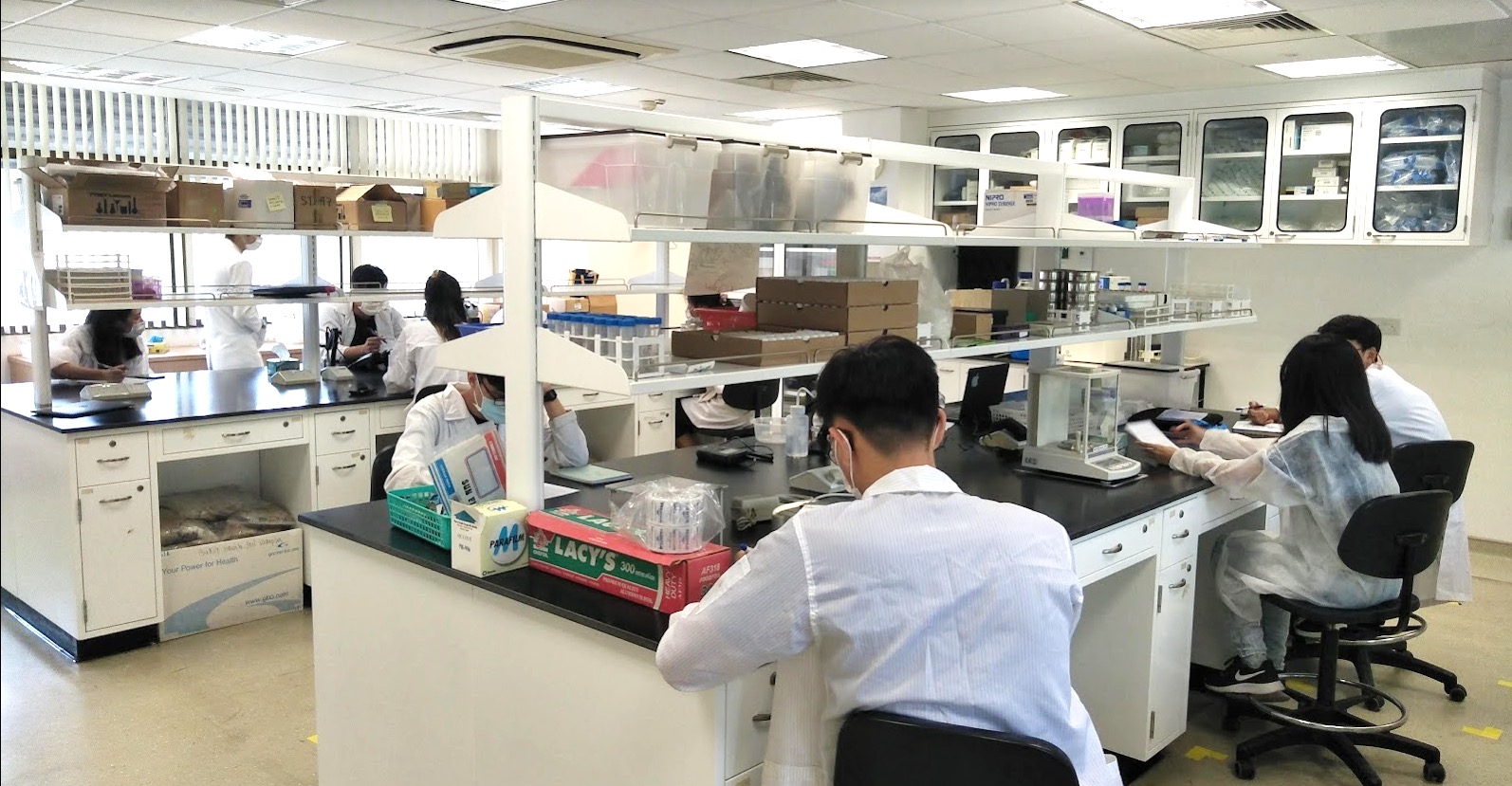
Teaching Lab
Where things get muddy
This laboratory houses specialized equipment for the processing and physical analysis of soils and sediment samples.
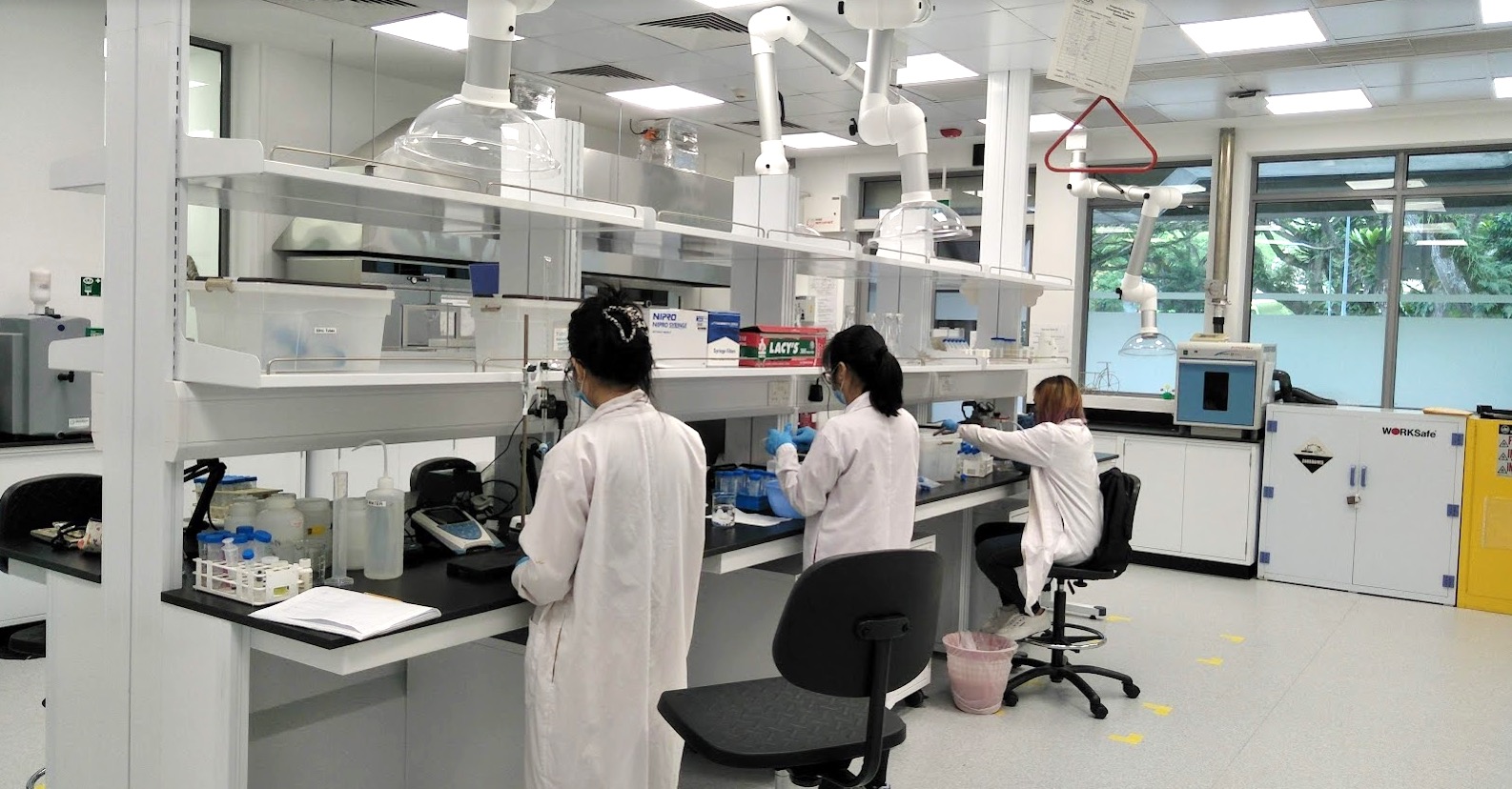
Geo-Lab
More serious business
This laboratory houses state-of-the-art equipment for chemical analysis of soils, sediment and water.
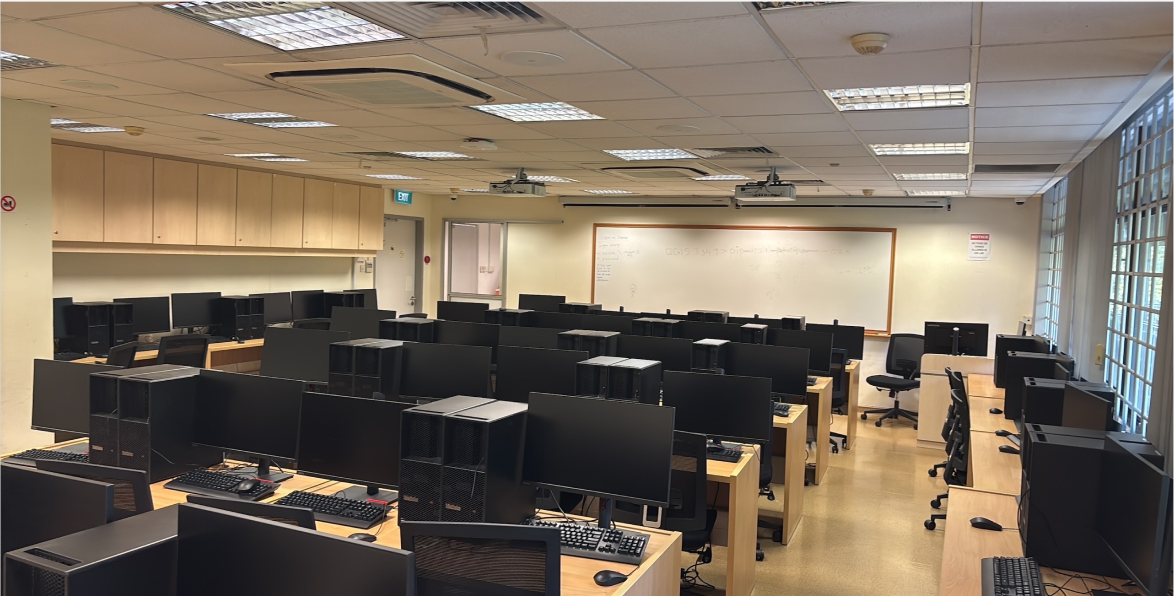
GIS Lab
Making maps
The computer laboratory enables students & researchers to run complex geospatial analysis.
Our Equipment
The top-notch analytical capabilities in the laboratories include:

Thermo Scientific Dionex Ion Chromatography System ICS5000
It is used for the analysis of anions and cations in aqueous samples.
Anions: Fluoride (F-), Chloride (Cl-), Nitrite (NO2-), Sulphate (SO43-), Bromide (Br-), Nitrate (NO3-) and Phosphate (PO43-)
Cations: Lithium (Li+), Sodium (Na+), Ammonium (NH4+), Potassium (K+), Magnesium (Mg2+) and Calcium (Ca2+)

Thermo Scientific Flash 2000 EA, Delta V Plus IRMS
The Elemental Analyzer (EA) is coupled with Isotope Ratio Mass Spectrometer (IRMS) to quantify the concentration and stable isotope ratios of carbon and nitrogen in soil, sediments and plants.

Horiba Partica LA-960V2 Laser Diffraction Particle Size Analyzer
It measures size distribution of particles between 0.01 micrometer to 2000 micrometer range in both wet and dry samples.

Thermo Scientific DXR3 Raman Microscope
Raman microscope provides identification of microplastics larger than 1 micrometers.

Stereo Microscopes and Polarizing Light Microscopes
Fundamental tools in paleoclimatology research for identification and quantification of paleoclimate proxies like diatoms, pollen grains and ostracods.

Elementar Vario TOC Cube
It measures total organic carbon (TOC), total inorganic carbon (TIC), non purgeable organic carbon (NPOC) and total nitrogen (TN) in aqueous samples and TOC and TIC in solid samples.

PerkinElmer Spotlight 400 FT-IR Imaging System
The FT-IR Microscope provides rapid screening and identification of microplastics larger than 10 micrometers.

Agilent 5800 ICP-OES
The ICP-OES measures concentration of trace and major elements in water and sediment samples.

UV-VIS Spectrophotometers
Spectrophotometers are used for quantitative colorimetric analysis of aqueous samples.

CEM MARS 2 Microwave Digestion System
The Microwave Digestor helps to perform high-temperature acid digestion of solid samples including soils, sediments, plants among other environmental samples. This is a preparation step for subsequent analysis by ICP-OES.
The laboratories are also equipped with a full range of sample preparation and treatment tools including pH meters, drying ovens, incubator, balances, microbalance, centrifuge, micro-centrifuge, shakers, mixers, hot plate, furnace, planetary ball mill, and cutting mill.
Contact us for more information about use of equipment and usage fees.