

What Happens in the Field?
Field-based learning builds both technical competence and human responsibility. You will learn how to design interviews,
collect and interpret data in unfamiliar settings, and immerse yourself in the rhythms, languages, and values of local communities.
You are not just learning about places, but about the people who call them home.
Technical Skills
Field Data Collection & Sampling: Various sampling & field surveying methods for hands-on practice analysing data
────────────────────────────
Interviews: Conducting semi-structured interviews with locals, deepening understanding of human-environment interactions
────────────────────────────
Cartography (Mapping) & Geospatial Techniques: Using GIS software/tools to visualise and analyse spatial data
────────────────────────────
Digital Documentation: Crafting informational and engaging video narratives of local experiences
────────────────────────────
Research Design & Observation Skills: Student-directed designing of research projects and data analysis
Human Skills
Field Investigations
Field Investigations (GE4220 & GE4221) are short, intensive, and immersive courses conducted during the semester, with the opportunity to conduct student-led fieldwork during recess week, in Kenya/Cambodia. Step beyond NUS’ lecture halls, and engage directly with the environments and communities you study.
Intensive Hands-On Learning
Gain real-world experience conducting research in dynamic field environments within a short span of time, while having creative freedom to explore how your skills can empower local communities.
Community Engagement
Students will be able to engage directly with the environments and communities they study, through village (kampong) homestay experiences and cultural exchanges.
Thematic Learning
Students will gain firsthand exposure into relevant topics relating to hydrological, socio-economic and political geographies relating to the Mekong and local contexts.
Where We Travel
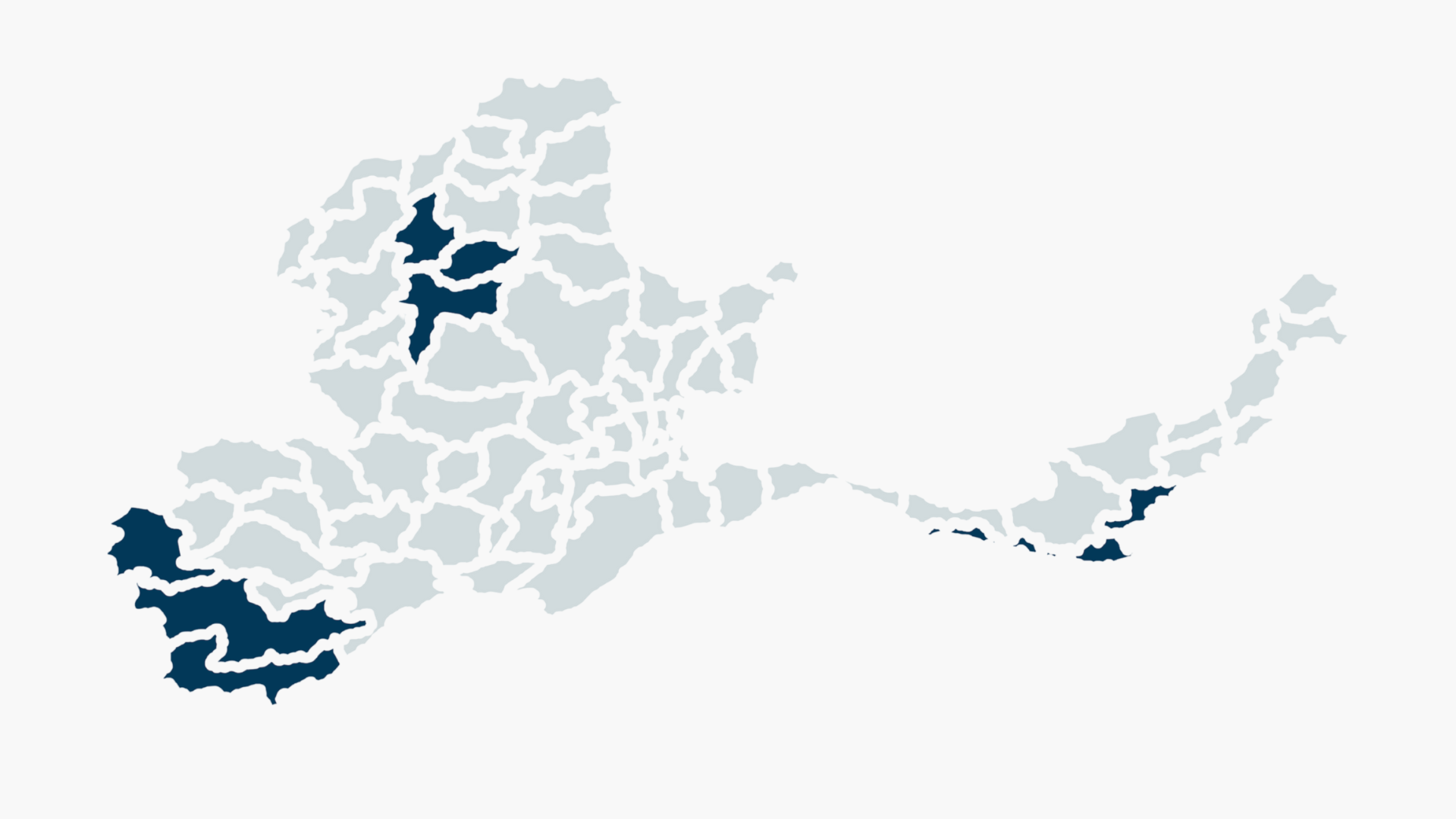
Field Investigations takes students across Southeast Asia and its neighbouring regions, often within short travel from Singapore. Each site offers a distinct lens into the region’s interconnected challenges, exploring different geographical themes.
Thailand
Chiang Rai
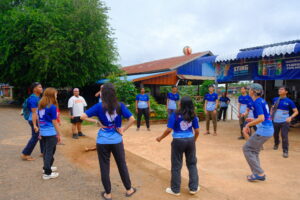
Lorem ipsum dolor sit amet, consectetur adipiscing elit, sed do eiusmod tempor incididunt ut labore et.
Chiang Mai
Lorem ipsum dolor sit amet, consectetur adipiscing elit, sed do eiusmod tempor incididunt ut labore et.
Mae Hong Son
Lorem ipsum dolor sit amet, consectetur adipiscing elit, sed do eiusmod tempor incididunt ut labore et.
Khon Kaen
Lorem ipsum dolor sit amet, consectetur adipiscing elit, sed do eiusmod tempor incididunt ut labore et.
Mahasarakham
Lorem ipsum dolor sit amet, consectetur adipiscing elit, sed do eiusmod tempor incididunt ut labore et.
Kalasin
Lorem ipsum dolor sit amet, consectetur adipiscing elit, sed do eiusmod tempor incididunt ut labore et.
Krabi
Lorem ipsum dolor sit amet, consectetur adipiscing elit, sed do eiusmod tempor incididunt ut labore et.
Phang Nga
Lorem ipsum dolor sit amet, consectetur adipiscing elit, sed do eiusmod tempor incididunt ut labore et.
Ranong
Lorem ipsum dolor sit amet, consectetur adipiscing elit, sed do eiusmod tempor incididunt ut labore et.
Field Studies
Field Studies (GE3230A) is an extensive and fully immersive overseas course that brings geography to life over a 5-week period during the summer break in a South-east Asian region. You will live, learn, and work alongside your peers and community partners, applying classroom theory to real-world environments.
Full Immersion
Every part of the course takes place in the field. Students conduct research on-site, and experience geography as lived reality for more than a month, giving them the opportunity to hone their fieldwork skills with time.
Cultural Exchange
Students engage in local traditions, languages, and everyday life to gain a deeper understanding of people and place. Through these exchanges, students will gain greater awareness of relevant geographical themes that are characteristic of their locations.
Empowering Local Communities
Students have creative freedom to design and implement their own research, exploring innovative solutions and approaches in real-world field settings.
Where We Travel
Field Studies take students from neighbouring Southeast Asian region for Human Geography and to Kenya, East Africa, for Physical Geography. Each site offers distinct geographical physcial characteristics and social-lived experiences, encouraging students to explore how global issues intersect with local and grounded realities.
Cambodia

Battambang
Lorem ipsum dolor sit amet, consectetur adipiscing elit, sed do eiusmod tempor incididunt ut labore et.
Siem Reap
Lorem ipsum dolor sit amet, consectetur adipiscing elit, sed do eiusmod tempor incididunt ut labore et.
Preah Vihear Province
Lorem ipsum dolor sit amet, consectetur adipiscing elit, sed do eiusmod tempor incididunt ut labore et.
Krong Stung Treng
Lorem ipsum dolor sit amet, consectetur adipiscing elit, sed do eiusmod tempor incididunt ut labore et.
Kampong Chhnang
Lorem ipsum dolor sit amet, consectetur adipiscing elit, sed do eiusmod tempor incididunt ut labore et.
Phnom Penh
Lorem ipsum dolor sit amet, consectetur adipiscing elit, sed do eiusmod tempor incididunt ut labore et.
Programmes
Major in Geography
Cross-Disciplinary
Opportunities
Student Life
Making a Difference
Field-based learning at NUS Geography goes beyond mere observation or “voluntourism”. Students collaborate with local partners to contribute to ongoing community efforts, translating research into action that supports real people and real change. Each project is guided by respect, reciprocity, and the understanding that meaningful impact begins with listening.
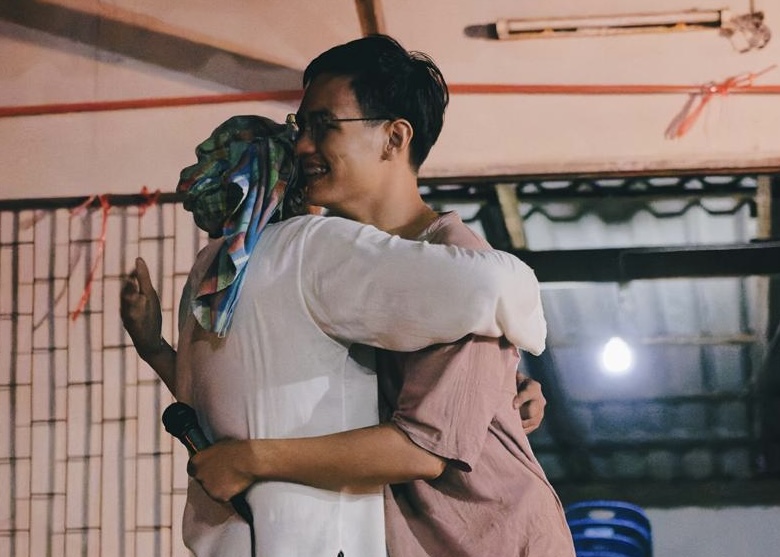
Fireline Mapping
FS'24 (GE3230A)
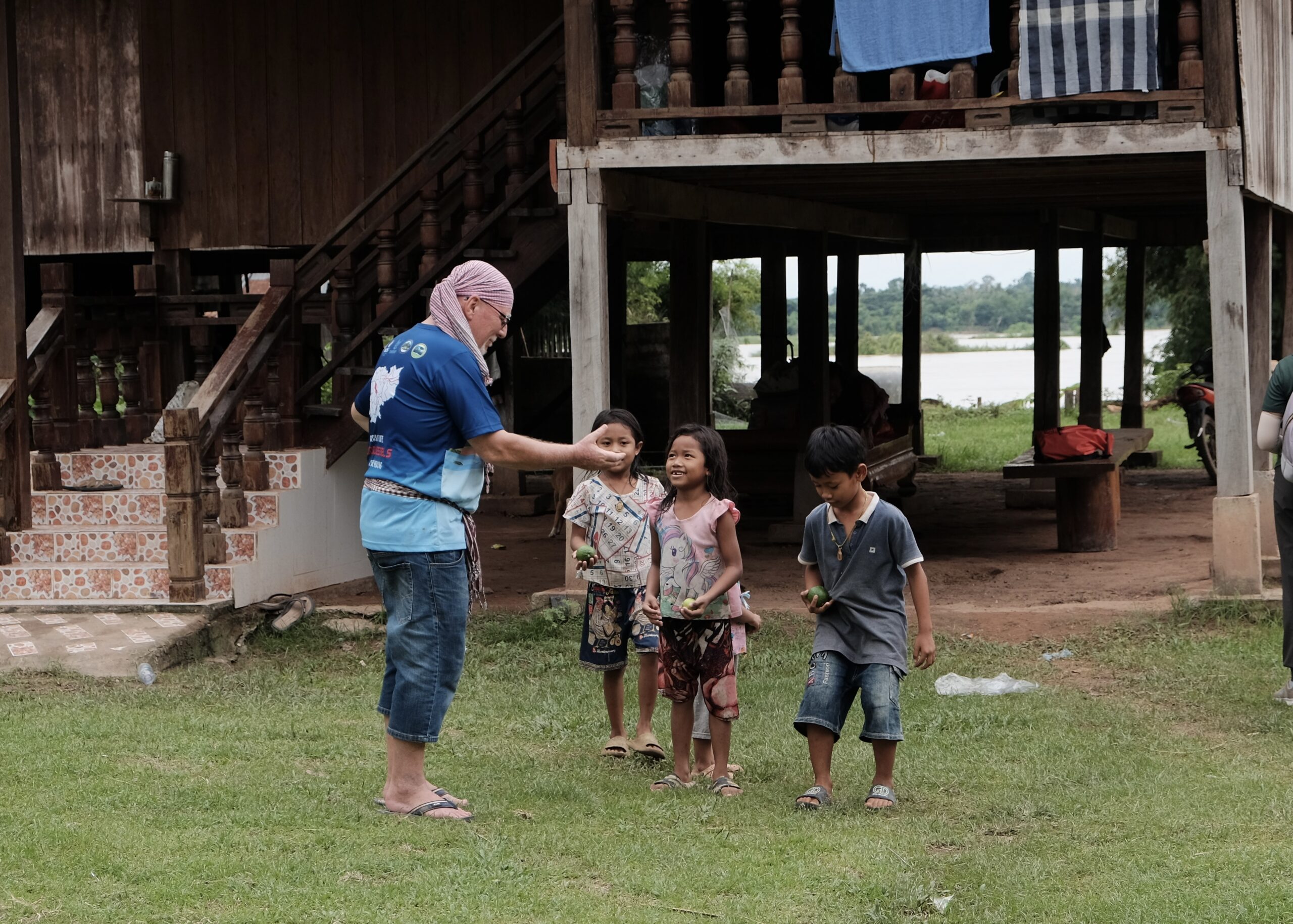
Tonle Sap Ecotourism Microsite
FI'25 (GE4221)

Lorem Ipsum
Lorem Ipsum
Voices from the Field
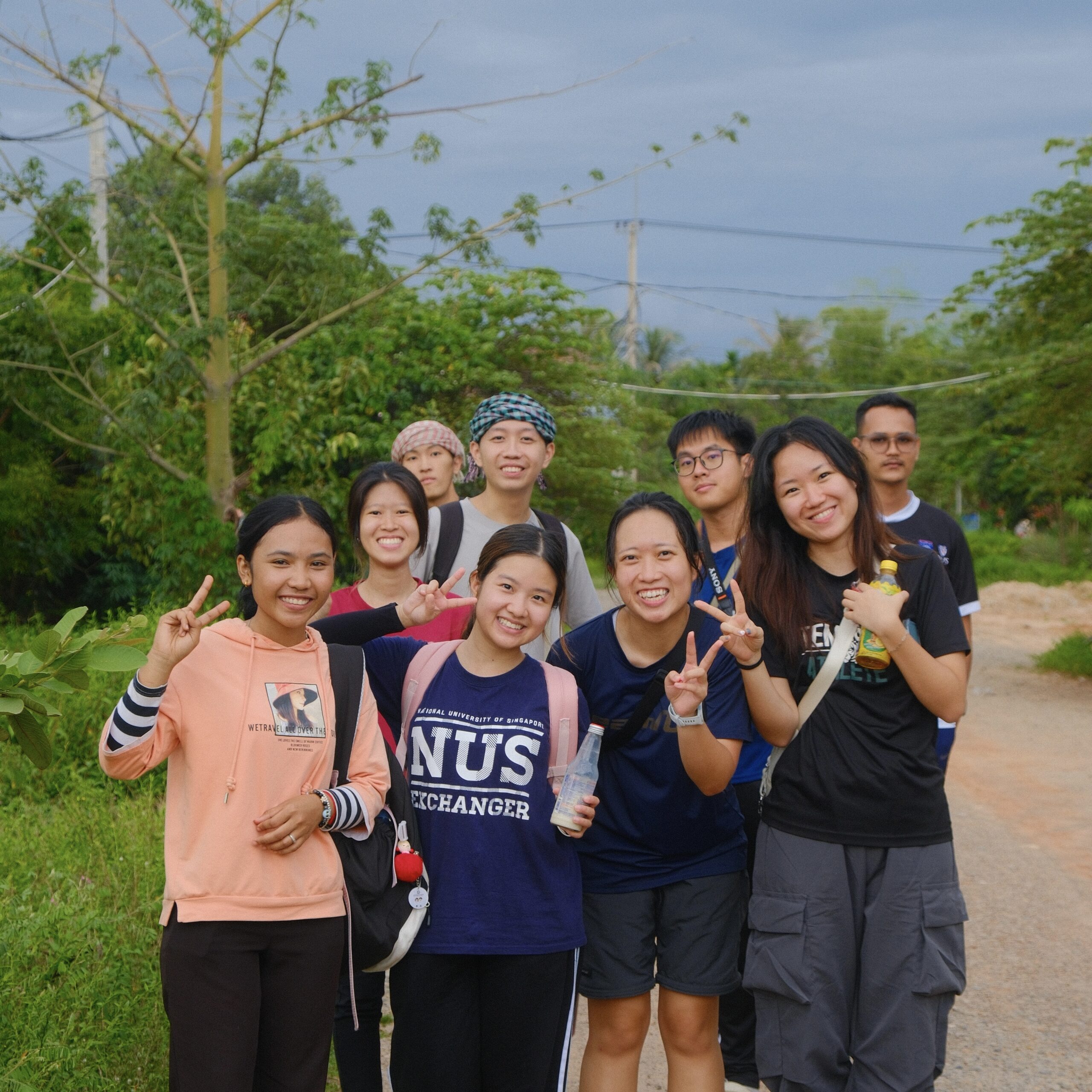
For many of our students, field-based learning becomes the most transformative part of their degree.
It challenges assumptions, builds resilience, and deepens empathy. Beyond data and reports, they take home lessons about humility, connection, and what it truly means to learn with communities, and not just about them.
Employers value graduates who can adapt, collaborate, and navigate complex environments.
Field-based learning cultivates these skills, grounding your academic knowledge in real-world impact.