
A campus for all: Building an inclusive learning environment, a decade on
October 20, 2025
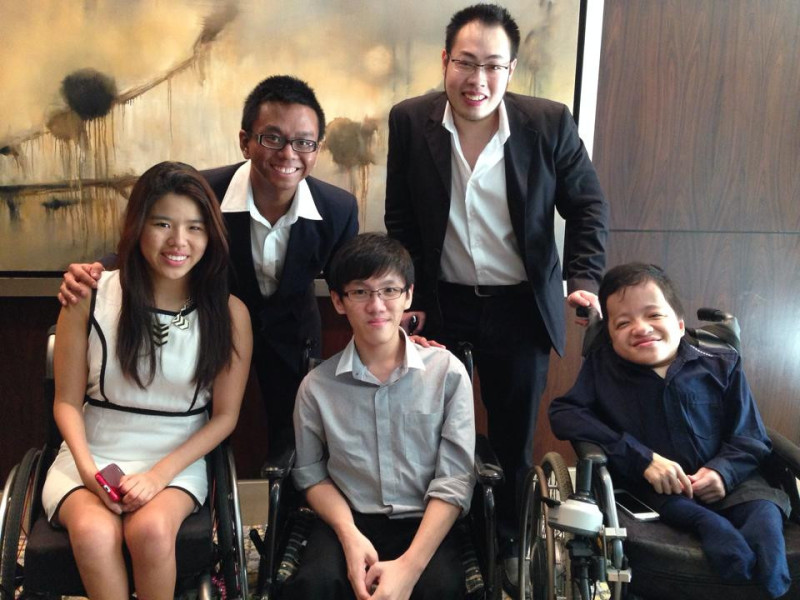
When Ong Hua Han (NUS Business ’16) was considering his university options in 2012, NUS was not an obvious choice. As a wheelchair user with osteogenesis imperfecta, also known as brittle bone disease, navigating the University’s steep terrain seemed daunting.
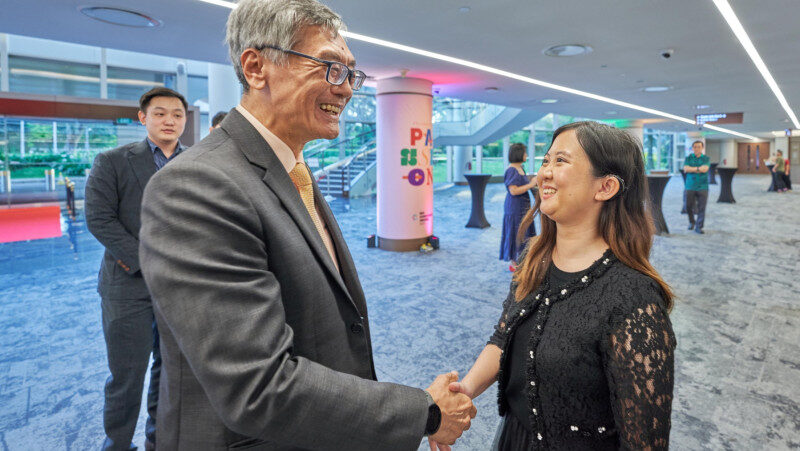
But a warm meeting with the then Assistant Dean and Director of the Bachelor of Business Administration (BBA) programmes at NUS Business School, Dr Helen Chai, changed his mind. Over tea and a personalised tour of the school, she allayed his family’s concerns. “Though the campus’ hilly terrain was not the easiest to navigate, Dr Chai reassured us that people were there to support me,” recalls Hua Han. “And that sealed the deal.”
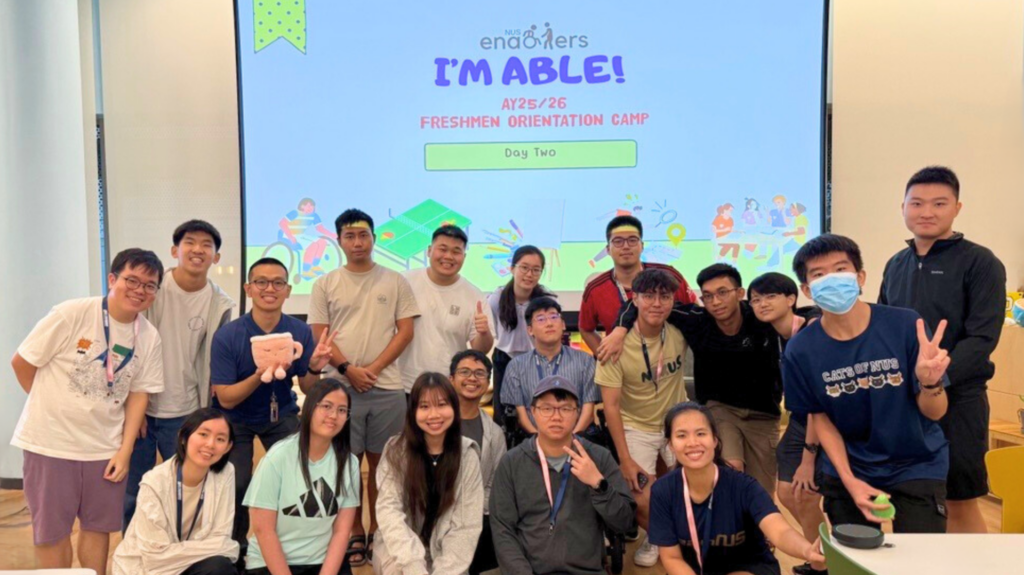
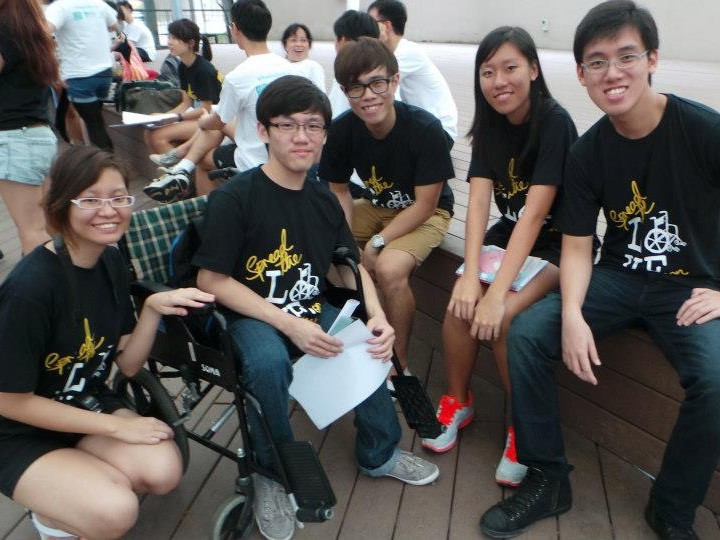
At matriculation, Hua Han discovered the NUS Enablers, a student group set up in 2011 to support students with special needs. Drawn by their mission to raise awareness and make the campus more accessible, Hua Han signed up. He later led the group’s then-flagship event, "Wheel-a-thon," a creative race that challenged participants to experience campus through the perspective of a wheelchair user.
At the time, accessibility support at NUS was largely unstructured. That changed in 2014 with the establishment of the Student Accessibility Unit (SAU), formerly the Disability Support Office, under the Office of Student Affairs. SAU became a game changer, consolidating academic, logistical and social support for students with disabilities under one roof. No longer would students have to knock on multiple doors to get the help they needed.
SAU currently supports 3 per cent of the NUS student population who identify with having disabilities and accessibility needs, working closely with university partners and student advocates to foster a culture of inclusion.
"Our vision for an accessible learning environment goes beyond providing support and opportunity — it’s about recognising each student as an individual," said Ms Agnes Yuen, who heads the SAU and is a pioneering member of the team. "Every connection reminds us that our shared humanity is reflected in honouring every lived experience, enabling students to thrive beyond labels and disabilities."
Beyond coordinating an accessible mobility van service alongside the University Campus Infrastructure (UCI) to facilitate travel across faculties, Hua Han recalled how SAU’s partnership with SG Enable helped him secure his first internship at a Big Four accounting firm, and a subsequent one at a global bank where he now works full-time as a relationship manager in their corporate banking division.
Today, he continues the advocacy work he began at NUS, leading initiatives in his workplace to increase participation and awareness for people with disabilities.
"The internship experiences offered me a window into my potential career path, helping me imagine new opportunities that lie ahead."
Finding identity and community
For final-year Pharmacy student Nicolette Koh, who is hard of hearing, the support from SAU has been more of a journey within. She reached out to SAU immediately after accepting her place in NUS in 2022, unsure of what to expect. What she found was a safe, non-judgmental space where she was treated as an equal. SAU equipped her with real-time speech-to-text transcription software, which helped her follow lectures more effectively. But the biggest gift, she says, was something less tangible: identity.
“Before university, I felt like I had to hide my disability,” she said. “Through SAU and learning sign language at NUS, I found a sense of community and realised being deaf isn’t a weakness—it’s just who I am.”
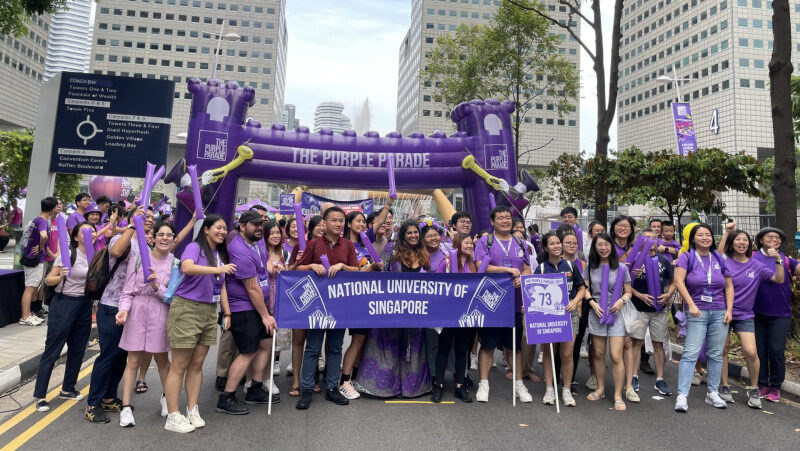
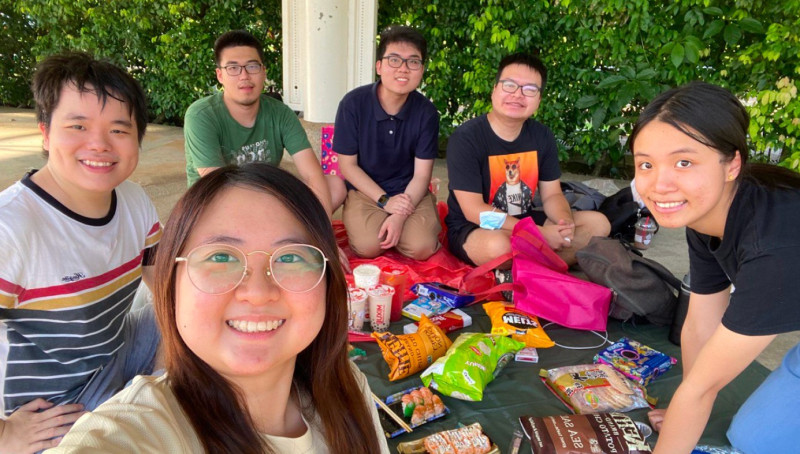
Encouraged by SAU, Nicolette went on to serve as President of the NUS Enablers in Academic Year 2023/2024, where she organised disability awareness talks in collaboration with SPD, the university’s first Purple Parade contingent in 2023, and led inclusive student initiatives like SIGNapse—a student-run programme that bridges communication gaps between the deaf community and students entering healthcare professions.
For her work in championing community causes and raising awareness for people with disabilities, Nicolette received the NUS Community Impact Scholarship awarded to outstanding NUS undergraduates who exhibit leadership qualities in the areas of Environmental Sustainability and/or Community Service, in addition to the Leadership Distinction award at the NUS Achievement Awards 2024 – a prestigious and only University-level award recognising the exceptional achievements of student life beyond academics.
Allies in action
Nicolette’s work also inspired students like Loo Quan Xuan, a final-year Sociology major who joined NUS Enablers in his second year. Expecting to learn from others, he soon discovered his role as an active ally. He later took on the role of Vice President of NUS Enablers in 2024 and led initiatives like the Human Library and worked with SAU to pioneer a dialogue series exploring themes of disability pride, allyship and ableism.

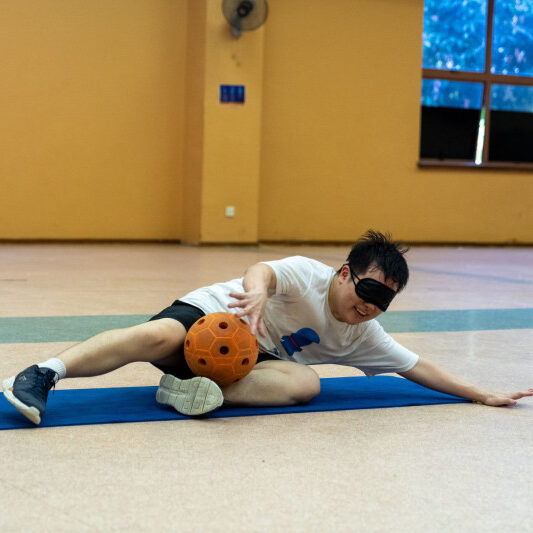
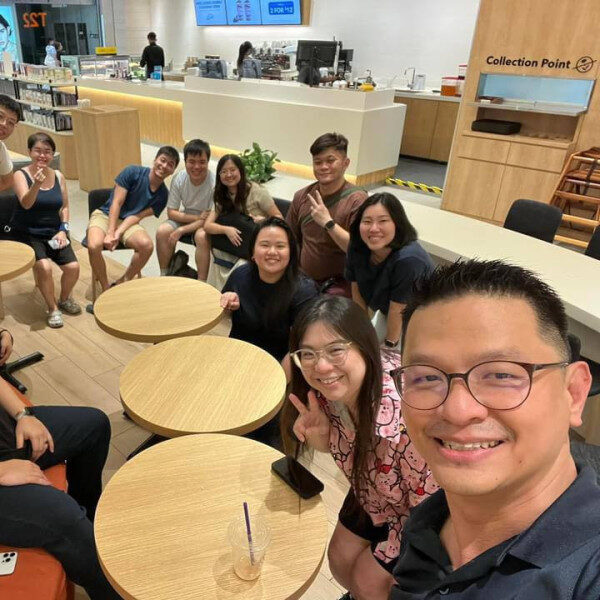
“What I learned is that inclusion is not just about physical access—it’s about the right to be part of conversations, to share your lived experience, and to be heard,” he said. “Sometimes the most powerful thing you can do is just listen.”
Towards a whole-of-campus approach
This ethos of inclusion also guides the work of the SAU, which works closely with students to raise awareness, drive broader inclusivity and capacity-building to co-create a more inclusive campus.
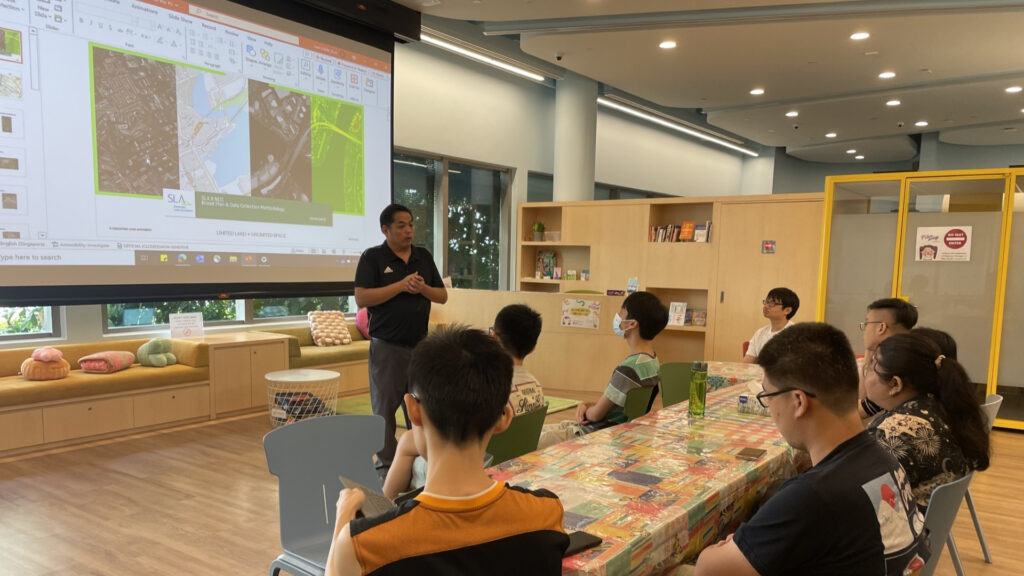
For example, a recent collaboration with the University Campus Infrastructure team, Singapore Land Authority (SLA) and student volunteers saw the mapping of barrier-free routes across campus, allowing users to navigate NUS via the OneMap app, with more informed accessibility information.
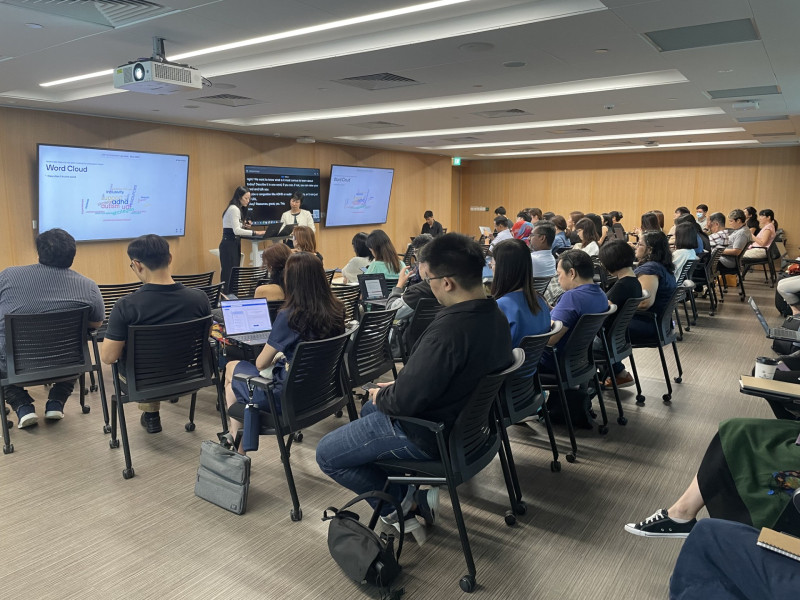
SAU has also collaborated with the NUS Centre for Teaching, Learning and Technology and the Office of the Provost to implement Universal Design for Learning principles, such as live captioning, into classrooms, to benefit all students, beyond those with accessibility needs.
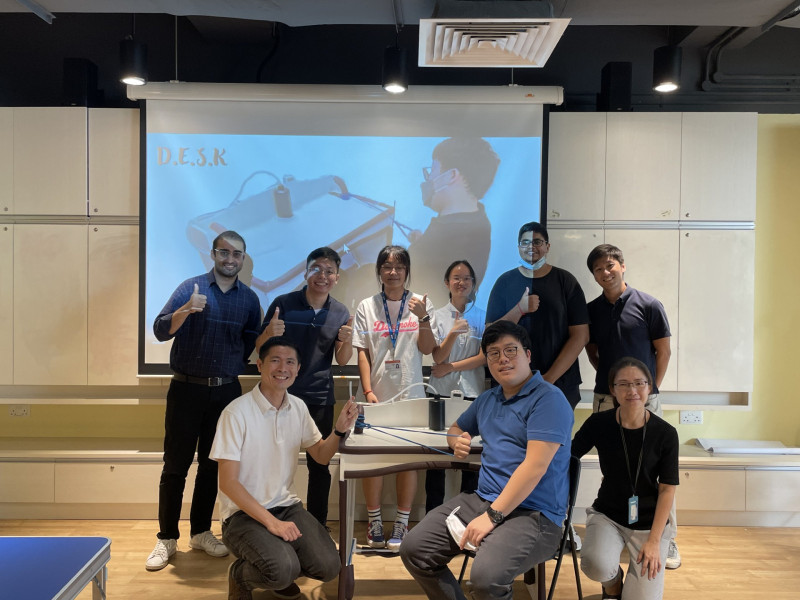
“Supporting students with disabilities is never the work of one unit alone,” said Agnes. “It takes a whole-of-campus approach. This underlies our commitment to build and deepen awareness, skills and empathy of our staff and student community, empowering them to be effective and inclusive allies and educators.”
These efforts not only address practical challenges but also reduce the social and emotional burden of asking for help. With inclusion woven into everyday campus life, students are encouraged to learn, participate, and thrive in that belonging.
A culture of inclusion, a decade on
For Hua Han, the impact of NUS’ inclusive culture is deeply personal. A turning point was his student exchange in Maastricht, where—despite fracturing his tibia during his first month—he experienced the independence of living abroad. “If I could handle an injury without the comfort and care of my family, then there are many things I can do,” he reflected.
Today, national conversations around mental health, neurodiversity, and disability continue to shift perspectives. On campus, SAU organises the Inclusive Fest and Accessibility Activation, creating opportunities for dialogue, connection, and growth among the community.
“We are seeing more students coming forward to begin the conversation with us, and that’s a positive shift,” said Agnes. “It reflects greater trust, confidence, and acceptance for the university to journey with them.”
As Hua Han aptly put it: “Back then, we relied on individual champions. Now, there’s a whole ecosystem of support.” Still returning to campus to mentor and engage, he remains part of that growing community of champions—proof that when inclusion takes root, its impact lasts well beyond graduation.
This story first appeared on NUSNews on 16 October 2025.