

Beyond medicine: Health District @ Queenstown and experts explore vital themes shaping Asian healthy longevity
November 28, 2025
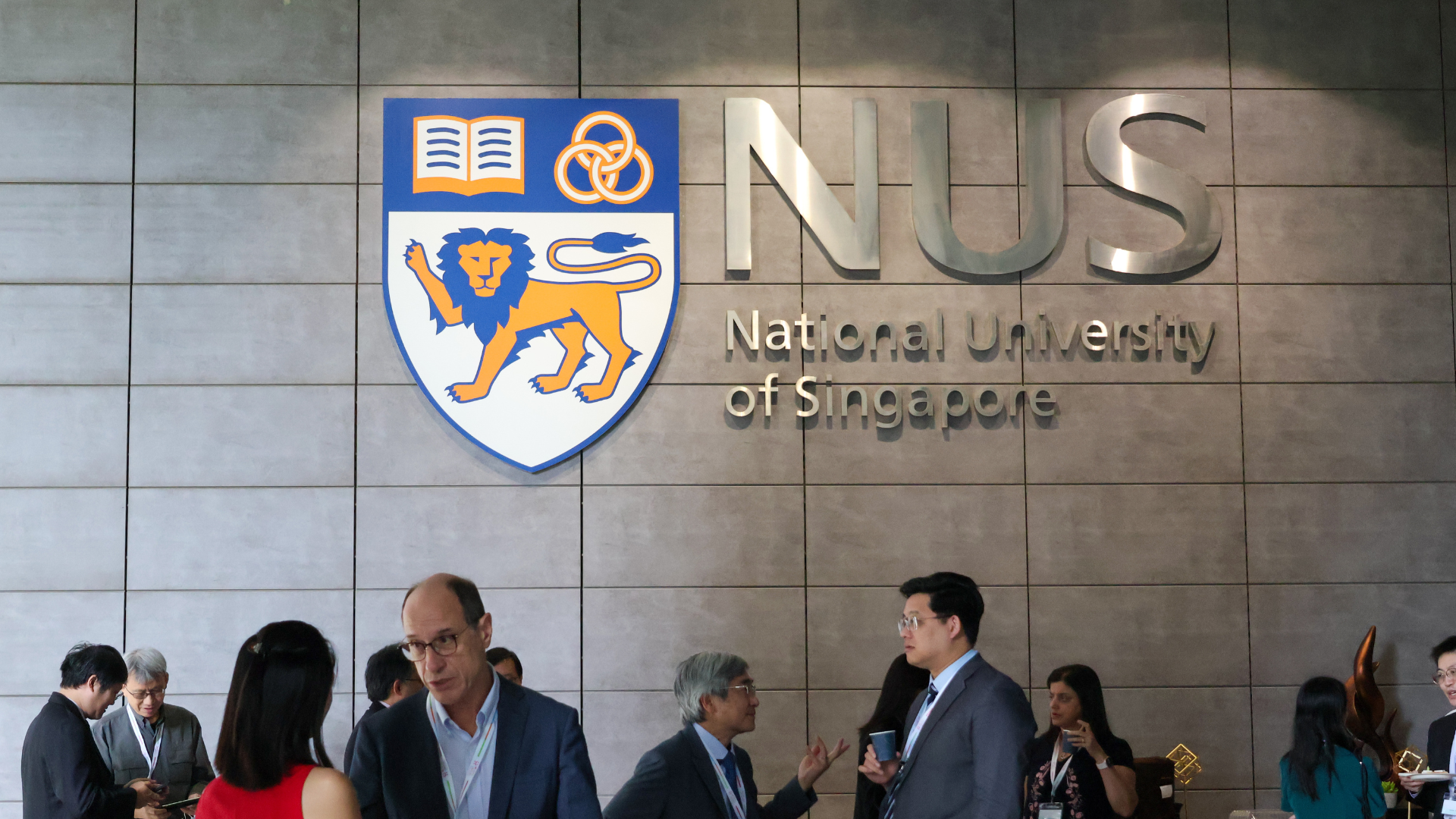
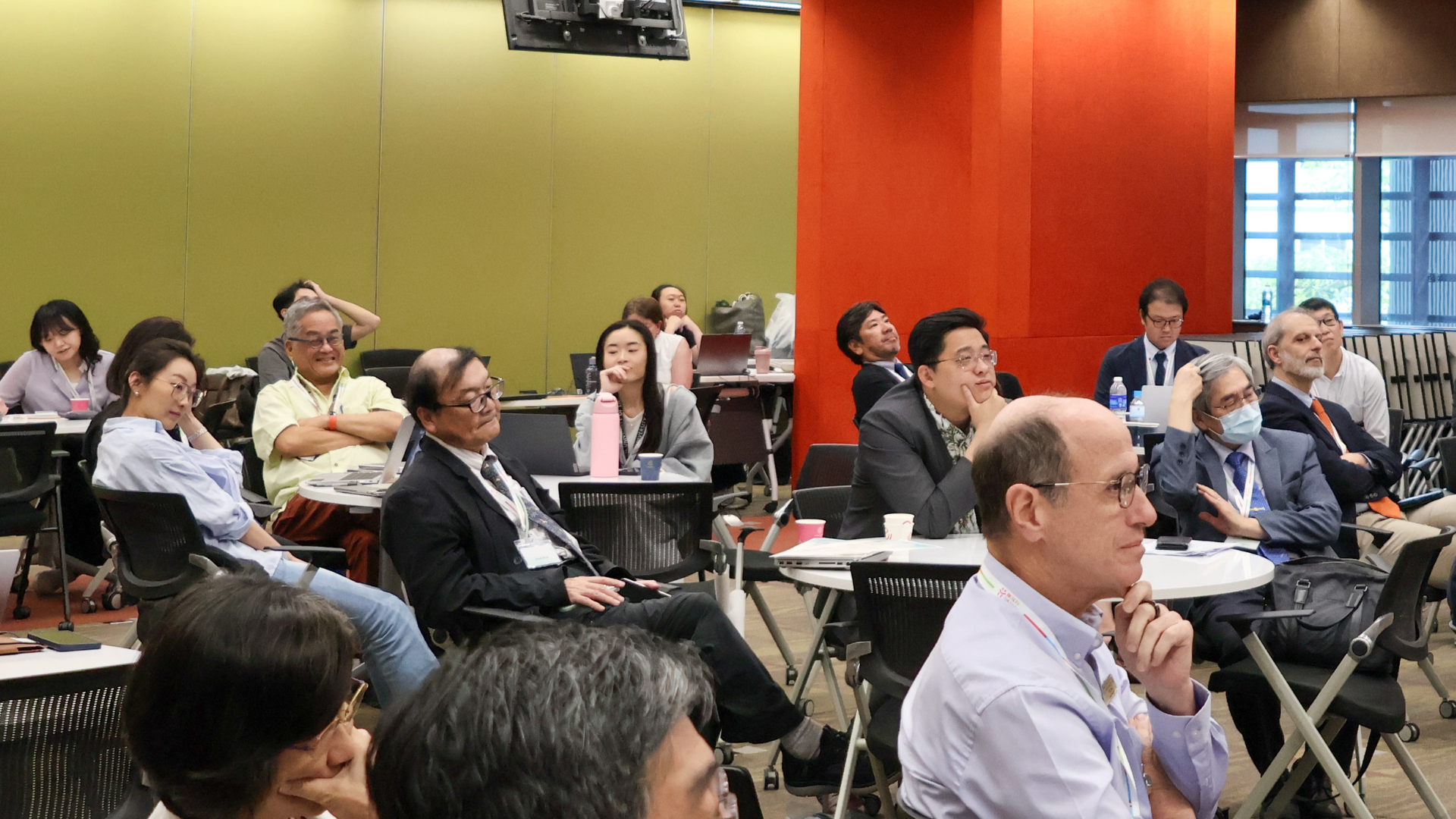
What does it mean to age well in Asia? This question took centre stage at the West Pacific Rim Consortium for Healthy Ageing Symposium 2025 held in Singapore from 20 to 22 November 2025.
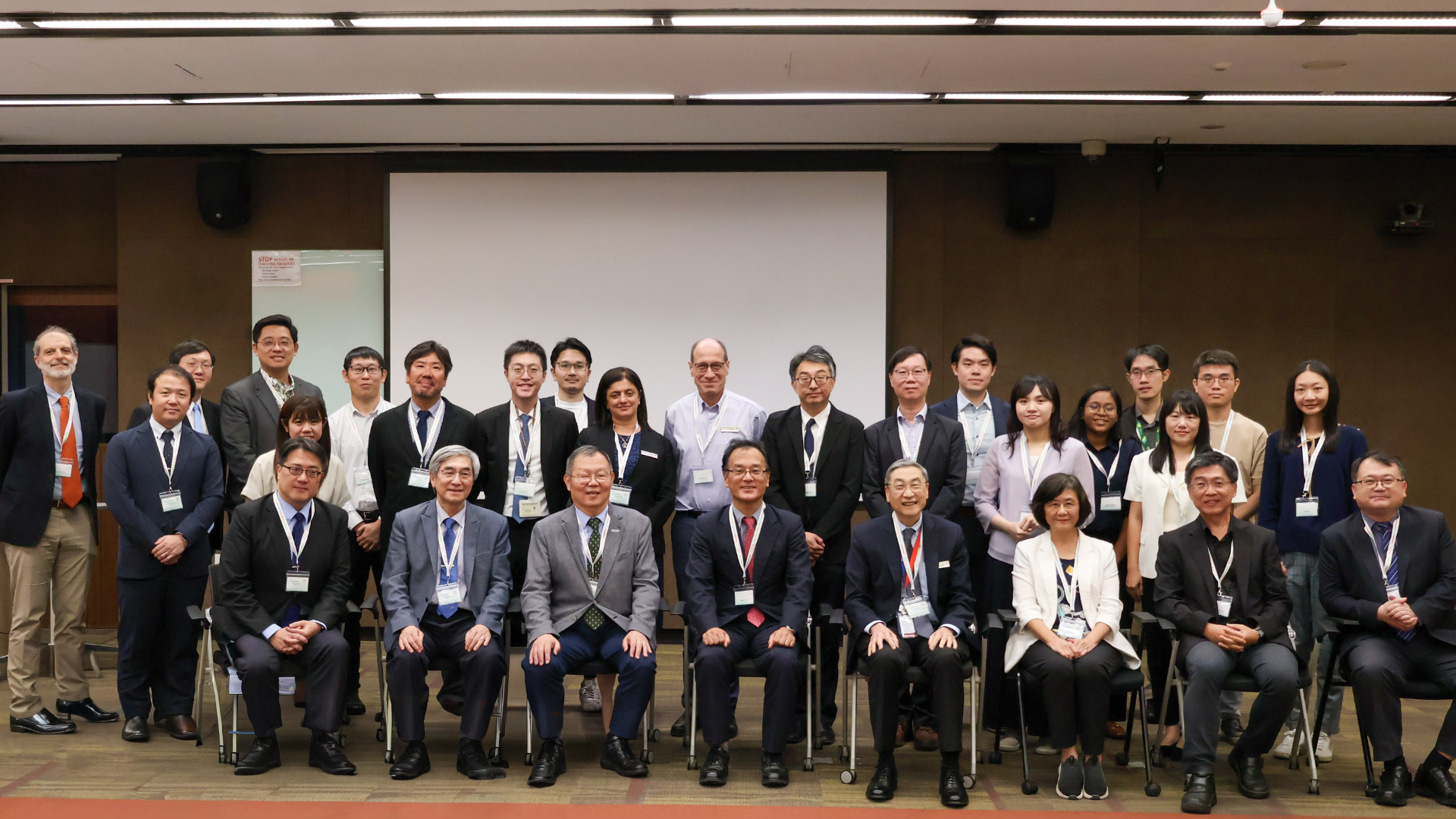
Organised by the West Pacific Rim Consortium and hosted by the Health District @ Queenstown (HD@QT), the symposium brought together close to 30 policymakers, healthcare practitioners, researchers, and community leaders from leading institutions in Asia to share regionally grounded approaches to ageing well.
The consortium — a collaboration between the National Center for Geriatrics and Gerontology (NCGG) in Japan, and the National Yang Ming Chiao Tung University (NYCU) in Taiwan, together with the National University of Singapore (NUS) and National University Health System (NUHS) — aims to collectively address the challenges and opportunities of rapid demographic transitions across some of the world’s fastest-ageing societies.
HD@QT is a multi-stakeholder initiative spearheaded by NUS, NUHS, and the Housing & Development Board (HDB), bringing together partners from the public, private, and people sectors to develop lasting health and social solutions in Singapore. Through evidence-based urban planning and community programmes, HD@QT supports individuals to lead active, fulfilling lives while fostering a stronger and more resilient community in Queenstown, a residential town in Singapore.
Professor John Eu-Li Wong, Executive Director of the NUS Centre for Population Health and HD@QT Co-Chair, said, “We are facing an unprecedented period in human history with many societies having more older people than younger people. Japan was the first country to experience this and more countries, including Singapore, are now similarly affected. It is through joining consortia and meetings like this that we learn from each other and work together on realising the opportunities this creates.”
By placing Asian contexts, cultures and community networks at the heart of the conversation, the symposium highlighted a crucial insight: ageing is profoundly shaped by relationships and local environments, not solely by medicine or policy.
From research to real-world impact
Over three days, experts from various fields explored themes such as frailty prevention, brain health, community-based rehabilitation and digital innovations that support ageing-in-place.
Associate Professor Reshma Merchant from the Department of Medicine at NUS Yong Loo Lin School of Medicine (NUS Medicine), who is also Head of Geriatric Medicine at National University Hospital (NUH) and Lead for the frailty prevention initiative at HD@QT, outlined how early detection and targeted interventions can help older adults maintain function and independence for longer.
In a similar context, Dr Tan Li Feng, Senior Consultant at Alexandra Hospital’s Department of Geriatric Medicine and Geriatrics Lead at the Regional Health Systems Office of NUHS, presented her work on using simple digital tools in the community to detect early signs of memory decline, identify individuals at risk, and offer personalised guidance to help people understand their brain health and make lifestyle changes to lower their risk.
Her sharing at the symposium was supported by other research conducted at HD@QT, including a study on intrinsic capacity (IC) deficits in older adults co-led by Dr Tan and Assoc Prof Merchant, in collaboration with HD@QT’s Baseline Study team which includes Associate Professor Jia Lile and Dr Shuna Khoo from the NUS Faculty of Arts and Social Sciences.
Towards an Asian framework for healthy longevity
Across the sessions, speakers noted Asia’s shared strengths — strong family networks, intergenerational ties and community solidarity — while addressing demographic shifts and rising chronic disease burdens. Drawing on their national experiences, experts from Japan and Taiwan highlighted how policy and research leaders are shaping ageing strategies and offered a range of approaches to healthy ageing.
Associate Professor Yosuke Osuka from the Department of Frailty Research, National Center for Geriatrics and Gerontology, discussed digital biomarkers for frailty assessment and pathways to real-world implementation, while Dr Hiroyuki Sasai, Theme Leader, Frailty and Musculoskeletal Health Research, Tokyo Metropolitan Institute for Geriatrics and Gerontology, evaluated Radio Taiso, Japan’s national calisthenics programme, examining its effectiveness and strategies for wider adoption.
Dr Chen Ran-Chou, Commissioner at the Department of Health in New Taipei City highlighted the role of policy leadership in shaping supportive environments for older adults while Professor Chen Liang-Kung, Superintendent at the Taipei Municipal Gan-Dau Hospital, shared how data can be used to identify high-risk sub-populations.
Noting the diversity of the presentations and experiences shared, Associate Professor David Michael Allen, Deputy Executive Director of the NUS Centre for Population Health, said, “While all of the symposium's participants have identified or recognised the same or similar unmet medical, social, psychological needs of their populations, the focus of their individual or region's work may be slightly different, due to the expressed priorities of their communities and leadership, or in order to best use the resources the experts have available.”
He added, “The symposium's value comes from hearing and discussing with them why they chose to focus on what they do, the approaches they took to intervene and how they determined if the interventions were successful or not.”
Collaborating for the future
From Singapore’s neighbourhood-based health initiatives to Japan’s community-led rehabilitation and Taiwan’s integrated service frameworks, the discussions at the West Pacific Rim Consortium for Healthy Ageing Symposium 2025 showed that solutions must remain both scientifically grounded and culturally responsive, with sustained collaboration across countries key to advancing shared goals.
Reflecting on the consortium’s long-term regional role, HD@QT’s Professor Wong shared, “If this event helps to develop networks among participants, it would have achieved one of its main goals. If these networks can facilitate innovation, accelerate implementation, and generate value for students, practitioners, researchers and policymakers, hopefully others will consider joining us to uplift the region further, faster.”
This story by the NUS Centre for Population Health and Health District @ Queenstown first appeared in NUSnews on 27 November 2025.