

NUS Celebrates First Anthropology Graduates at Commencement 2026
July 24, 2026
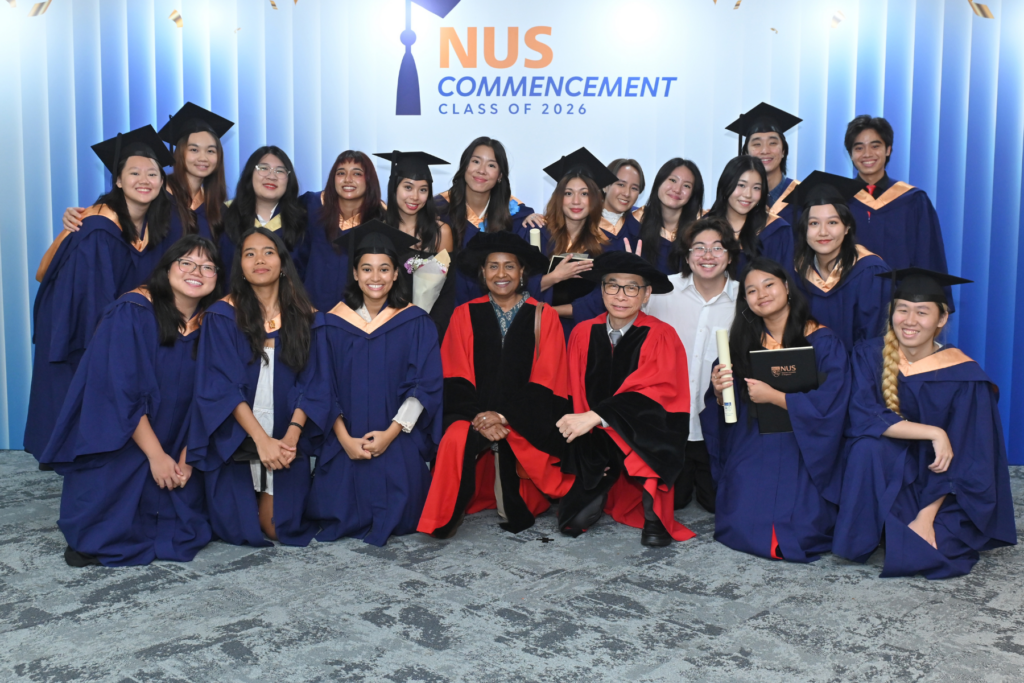
NUS celebrated the graduation of its first cohort of Anthropology majors at a Commencement ceremony on 22 July 2026, marking a significant milestone for a discipline that has been part of the University for more than 60 years.
Anthropology courses have been offered at NUS since the 1960s under the Department of Sociology. Building on that strong foundation, the University launched its standalone undergraduate major in Anthropology in 2022 and renamed the department the Department of Sociology and Anthropology, reflecting the discipline's growing prominence in teaching and research.
“At a time when AI is transforming many aspects of our lives, anthropology reminds us of the importance of understanding people, their experiences, cultures and relationships,” said Professor Vineeta Sinha, a fervent advocate for the introduction of the undergraduate major during her tenure as Head of Department.
The pioneer cohort’s graduation also comes at a time when anthropology's emphasis on understanding people, cultures and lived experiences has taken on renewed significance, Prof Sinha noted.
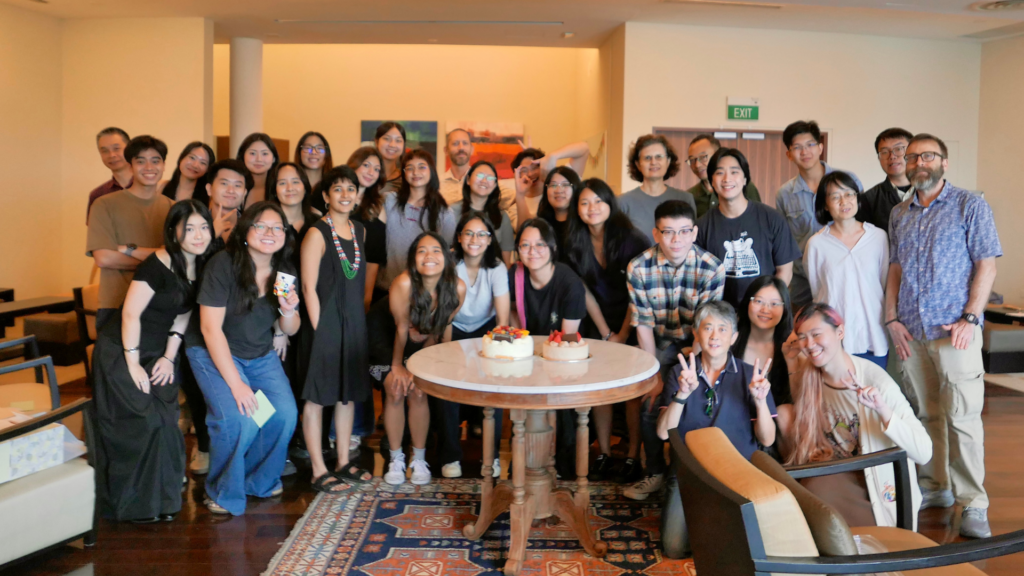
Comprising just 18 students, the cohort arrived as pioneers of the new major, without senior batches to learn from or established traditions to inherit. So they built a close-knit community of their own, organising welcome teas every semester, student-led reading groups, writing workshops, field trips and career talks. They also started the NUS Anthropology Circle, a Telegram community that connects students and faculty across different cohorts.
Beyond the community they have built, they leave behind something less tangible but equally enduring: a new way of thinking shaped by an anthropological lens.
A new generation of anthropologists
At its heart, anthropology is the study of people and asking why we think, behave and relate to one another the way we do.
For the inaugural cohort, anthropology was about learning to see the world through fresh eyes. Rather than providing easy answers, the discipline challenged them to reexamine familiar assumptions instead of accepting them at face value, appreciate diverse perspectives, and navigate complexity with curiosity and empathy, said graduates Michelle Zhuo and Delia Shamaney.
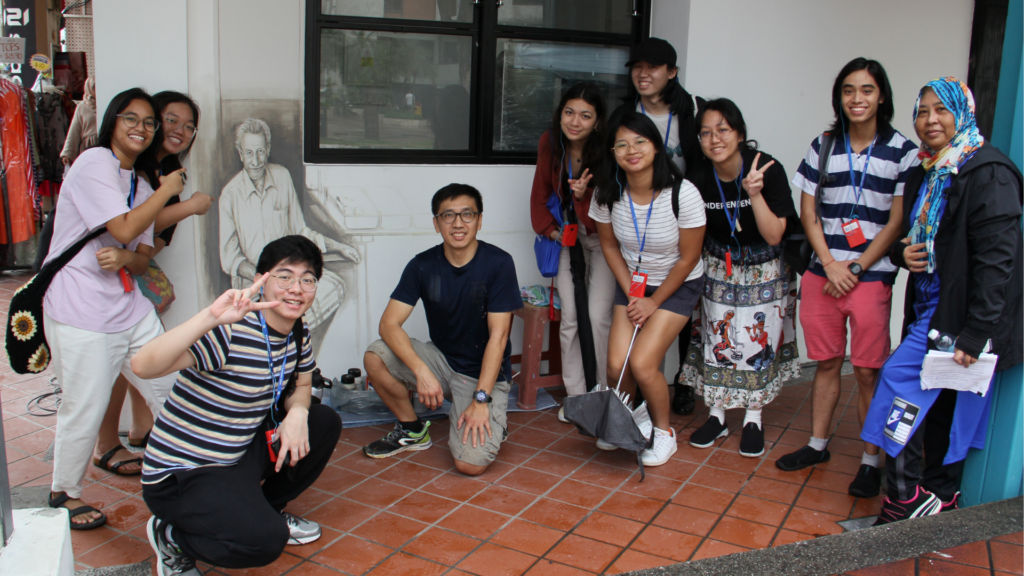
Through classroom discussions, fieldwork and ethnographic research on different cultures and communities, they learned to look beyond the surface of an issue. They believe this way of thinking will become increasingly important as artificial intelligence reshapes the way people live and work.
“Rather than preparing you for one particular job or career path, the knowledge and skills gained studying anthropology equips you with a way of understanding people and the world in depth,” said Michelle.
Indeed, that many students chose to pursue second majors or minors in disciplines ranging from Political Science and Philosophy, to courses outside the Faculty of Arts and Social Sciences, including Public Health and Chemistry, is a testament to how anthropological thinking complements a wide range of fields and careers.
The cohort also became ambassadors for the discipline, representing NUS at international academic conferences for the first time.
In 2025, four students co-organised a roundtable at the European Association of Social Anthropologists' Teaching Anthropology Network conference, while another presented honours research at an academic workshop organised by the Taiwan Society of Anthropology and Ethnology.
“We were fortunate to have a cohort of students who were confident and motivated enough to try their hands at serious academic work,” said Prof Sinha.
“Their enthusiasm has helped establish a vibrant student culture that future Anthropology majors will inherit.”
The human advantage
In addition to providing new perspectives, anthropology offers a much-needed counterbalance to rapid technological change.
“With AI rapidly technologising our realities, it is necessary to slow down and pay attention to the systems that affect our everyday lives. We need to evaluate, advocate and collaborate with communities who are often excluded and overlooked. This is where anthropology is relevant,” said fellow major Anna Wee.
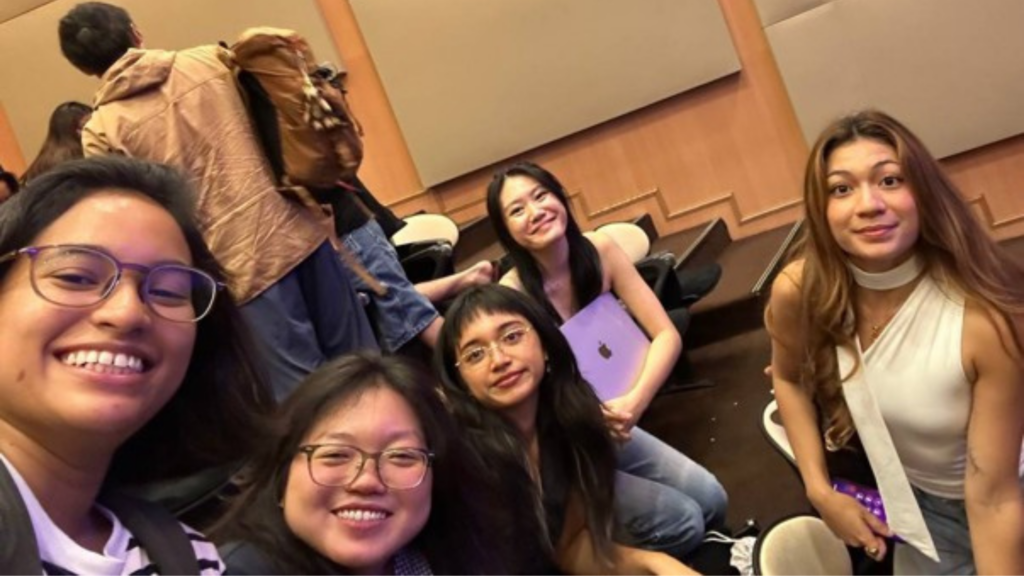
As Delia put it, it is about ensuring that humans remain at the centre of the conversation even in an AI-driven future.
Her course mate Ethan Zhang added, “By asking what it means to be human, I not only learn about other people's experiences but also find my own place in the world.”
These are precisely the kinds of capabilities that will distinguish anthropology graduates in the years ahead, said Prof Sinha.
“Technology can process vast amounts of information, but it cannot fully interpret cultural contexts, emotions and the richness of human experience. Anthropology equips students to understand those complexities — and to ask what it means to be human in a rapidly changing world.”
When the Anthropology graduates first enrolled in 2022, there were naturally questions about what a brand-new major would look like and where it might lead. Four years on, they leave behind a legacy of curiosity, empathy and a deeper understanding of what it means to be human.
This story first appeared in NUSnews on 22 July 2026.