

News
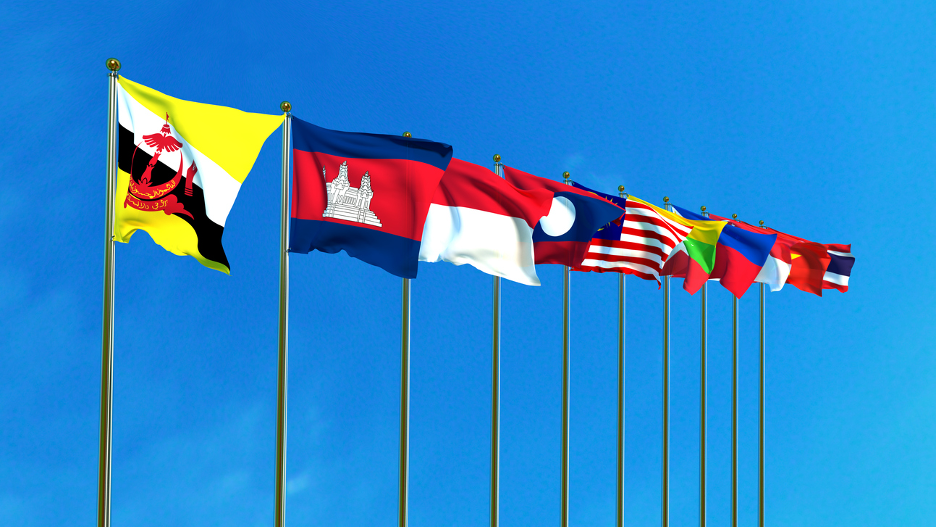
The Regional Comprehensive Economic Partnership (RCEP), the world’s largest free trade agreement, was conceived amid global uncertainty shaped by the COVID-19 pandemic, rising protectionism, geopolitical tensions, and an intensifying U.S.-China rivalry. In such a rapidly shifting landscape, existing theories on free trade agreements (FTAs) may fall short in explaining or predicting RCEP’s evolving impact. ‘Data-Driven …
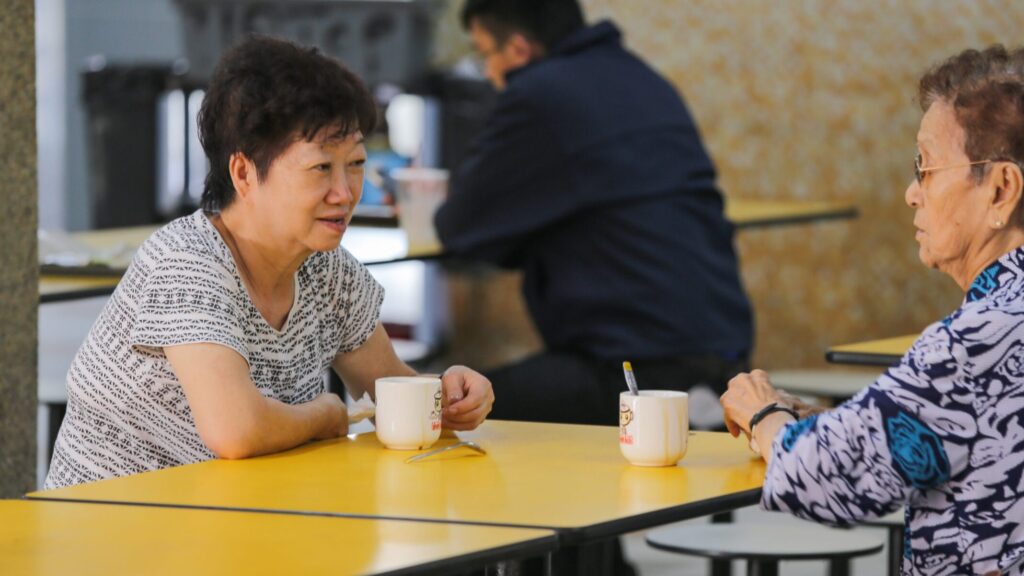
With demographic trends shifting in Singapore, the rise of non-traditional households such as DINKs (Dual Income, No Kids) has become increasingly common. Against this backdrop of changing family structures and an ageing population, critical concerns have emerged regarding the support networks available to childless individuals. In societies where adult children traditionally play a central role …

Muhammad Bin Khalid (Harvard Center for International Development) and Asst Prof Martin Mattsson (NUS Economics) examine Pakistan’s 2010 floods, specifically the country’s Watan Card programme, demonstrating how cash transfers are an efficient and effective method of disaster relief, particularly for low-income recipients. Read their article in VoxDev here.
When Objective Ambivalence Predicts Subjective Ambivalence: An Affect–Cognition Matching Perspective

Have you ever experienced mixed feelings? Objective ambivalence occurs when someone holds both positive and negative evaluations toward the same object. It is typically measured by averaging separate unipolar scales for positive (“P”) and negative (“N”) reactions. The degree of ambivalence is then calculated using the Thompson et al. (1995) formula: [(P+N)/2 – (P-N)], with higher …
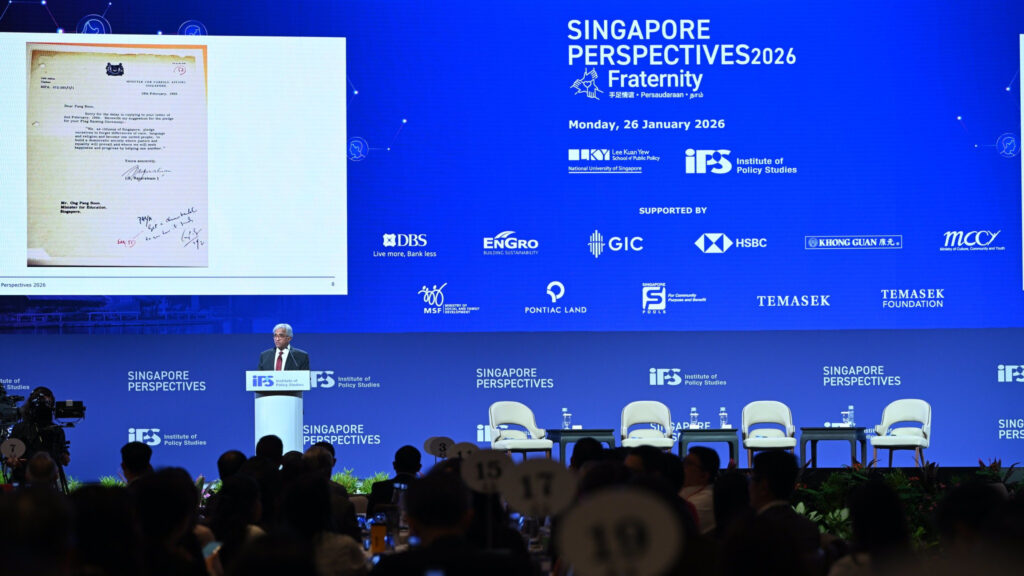
Discussions at the Singapore Perspectives conference organised by the Institute of Policy Studies at NUS in January 2026 centred on the theme of Fraternity and explored ways to help Singaporeans connect with one another, even as technological disruption, cultural differences and competition pose a constant threat to unity.
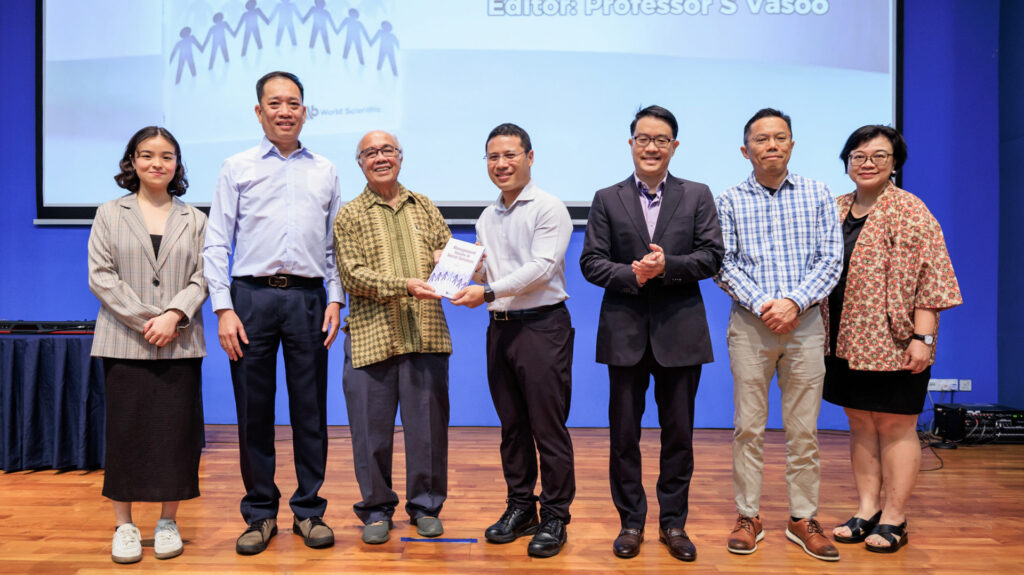
A new book edited by social service pioneer and NUS Social Work Emeritus Professor Dr S Vasoo that highlights the role of professional social work in strengthening the delivery of cost-efficient, accountable and impactful social services was launched on 11 February 2026.
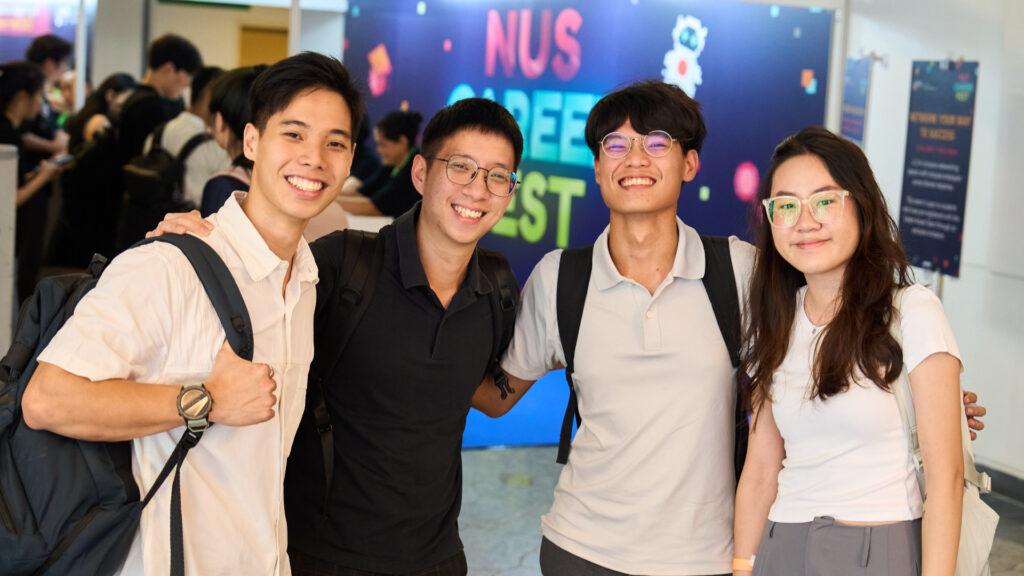
The first of this year’s two career fairs brings together over 300 employers from diverse sectors, including technology, finance, healthcare and many more.
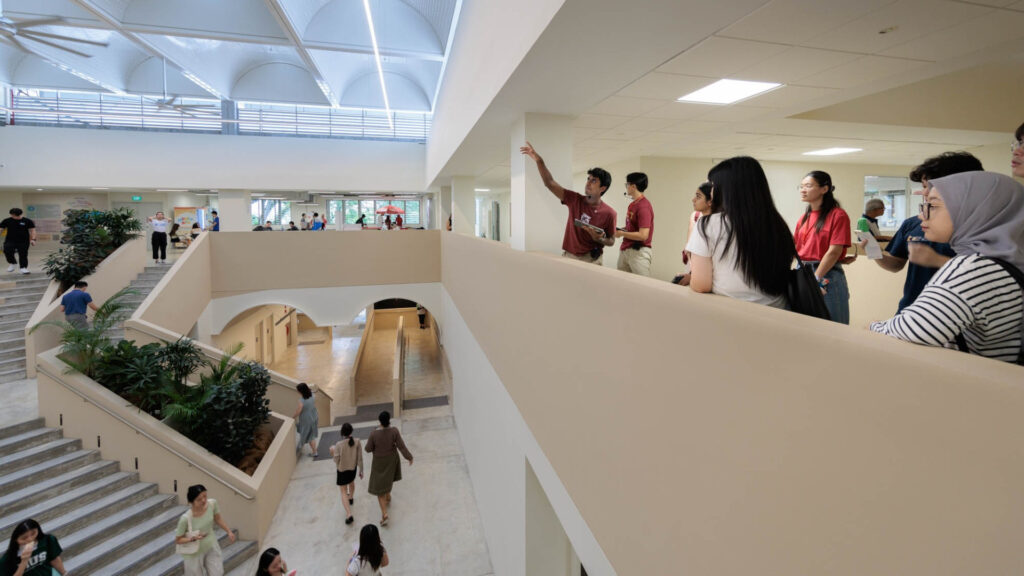
For a second year, the NUS Arts Festival will explore the theme Crossroads, delving deeper into encounters, intersections, and turning points that shape our existence. This vision unfolds over 71 days through 28 programmes led by 33 student groups, making it the University’s largest arts event.

Bilingualism has long been touted as the bedrock of Singapore’s linguistic landscape, underpinning the nation’s shared identity and cohesion. In 1996, Singapore’s bilingualism policy went into effect, institutionalising the learning of English and one of the ethnic mother tongues languages (MTLs). English was adopted as the interethnic lingua franca, where it promoted social cohesion among …
Salvaging Mandarin education in Singapore through community Read More »
With AI translation tools, what’s the point of learning different languages?
By Dr Daniel Chan, Assistant Dean (Undergraduate Studies), Office of Programmes, FASS, and Senior Lecturer in French at the NUS Centre for Language Studies.