

Looking beyond Raffles: New NUS course uncovers Singapore’s deeper history and heritage through art
August 17, 2026
From ceramics to textiles, paintings to manuscripts, this first-of-its-kind course offers a different way to explore Singapore’s history, through the people, objects and ideas that connected the island to the rest of the world.
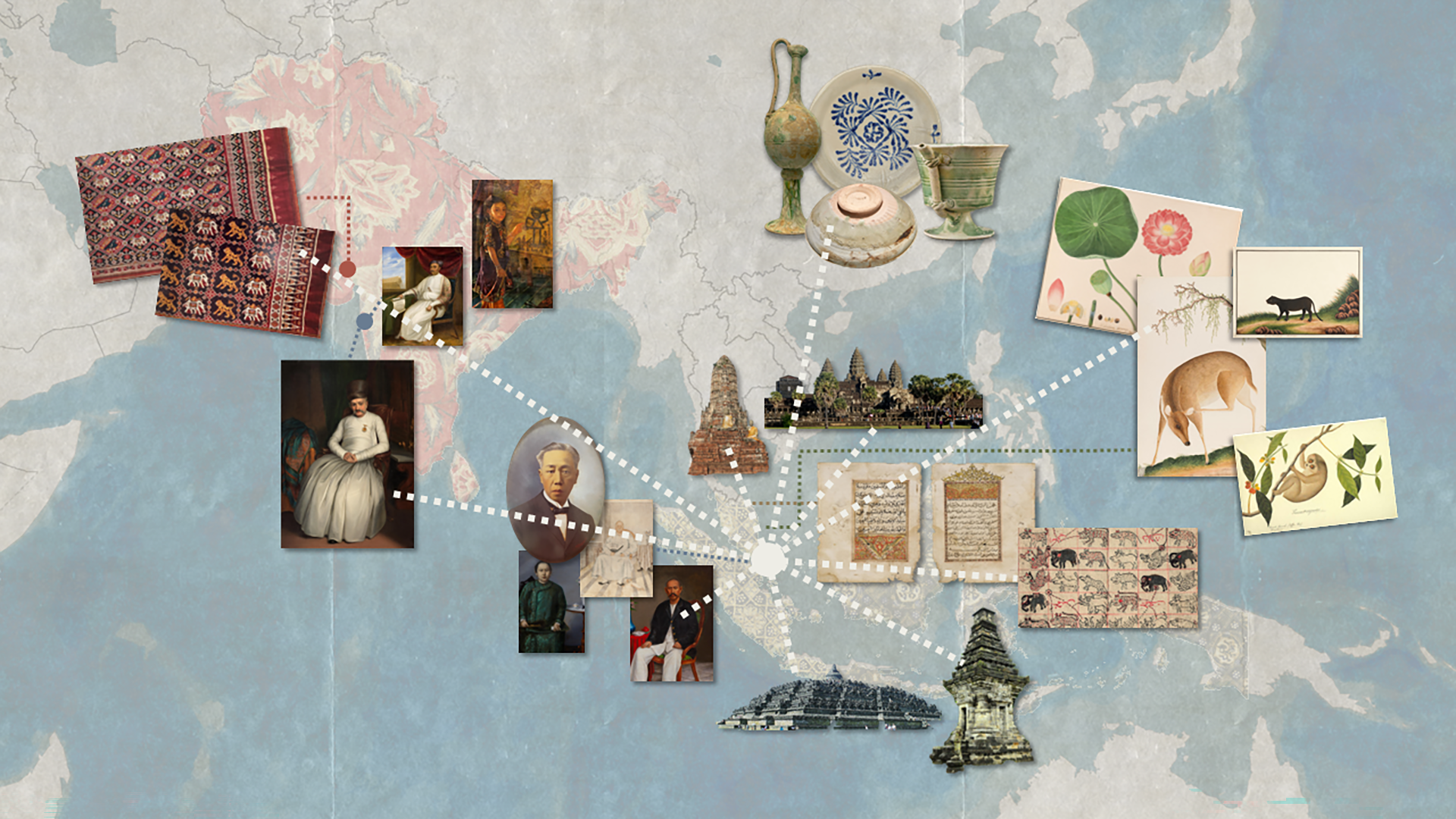
Long before Sir Stamford Raffles arrived in 1819, Singapore was already part of a wider world, shaped by centuries of movement, exchange and interaction across Southeast Asia and beyond.
Yet, this rich heritage has remained largely obscured by the familiar colonial narrative of Singapore’s founding.
From August 2026, about 140 undergraduates at NUS will embark on a journey into Singapore’s deeper history through “700 Years of Visual Arts: Singapore in the World”, a new General Education course that goes beyond just an art or history course, using visual and material culture to uncover connections between people, ideas and cultures that shaped Singapore centuries before Raffles’ arrival.
Developed by the Art History Minor Programme at the Faculty of Arts and Social Sciences' (FASS) Department of History, the course fills a gap in Singapore’s art history education. While broad introductory courses on the art and cultural histories of places such as India, China and Rome have long been available, Singapore has lacked a comparable introduction.
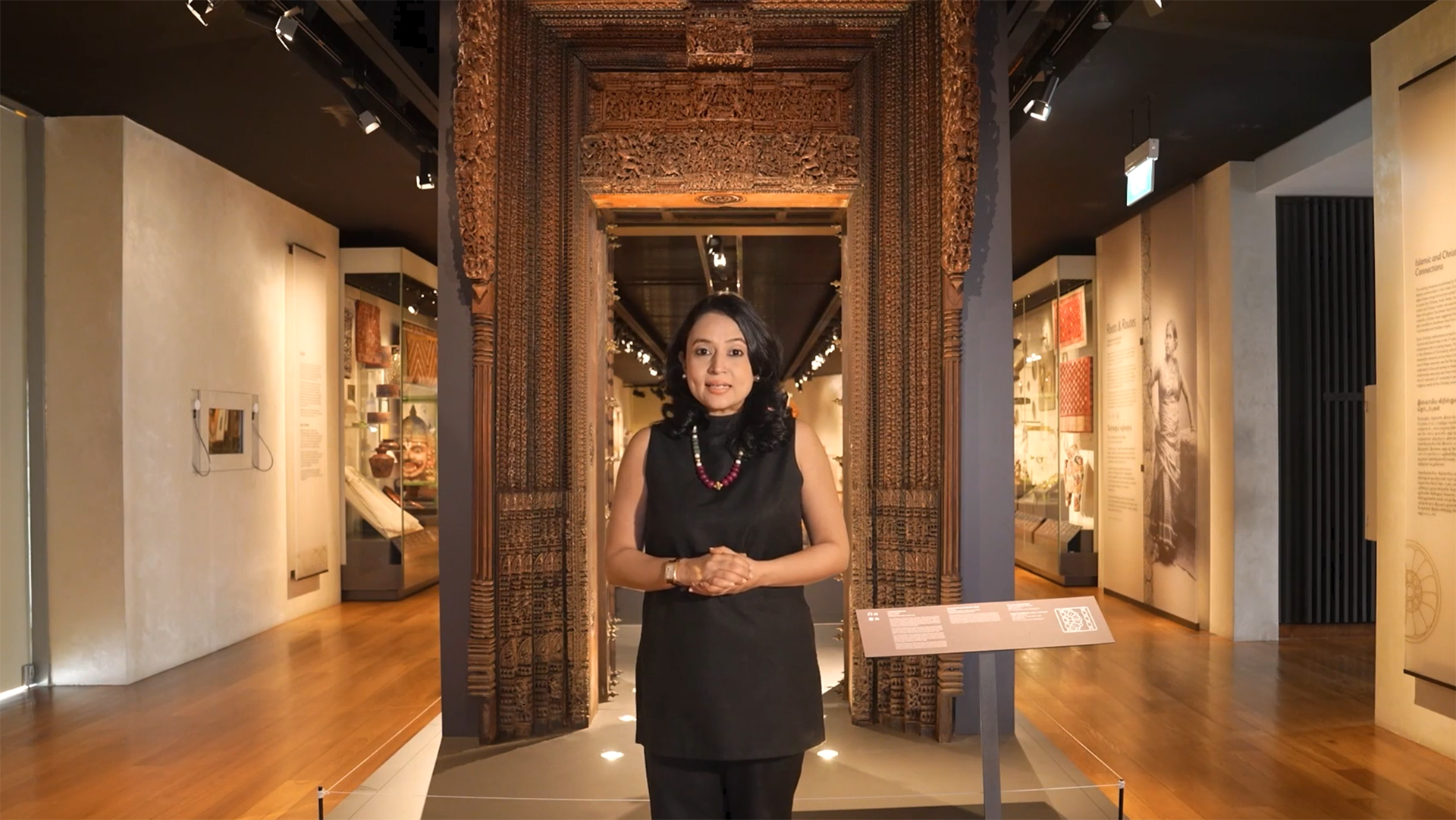
“There has not been a Singaporean version of courses like ‘Arts of India’, ‘Introduction to the Italian Renaissance’ or ‘Arts of China’,” said Dr Priya Jaradi, Convenor of the Art History Minor Programme and Principal Educator of “700 Years”.
“This course gives us an opportunity to tell a much longer story that recognises Singapore’s cultural connections across the region and the world, and the centuries of history that came before 1819.”
Piecing together Singapore’s longer history
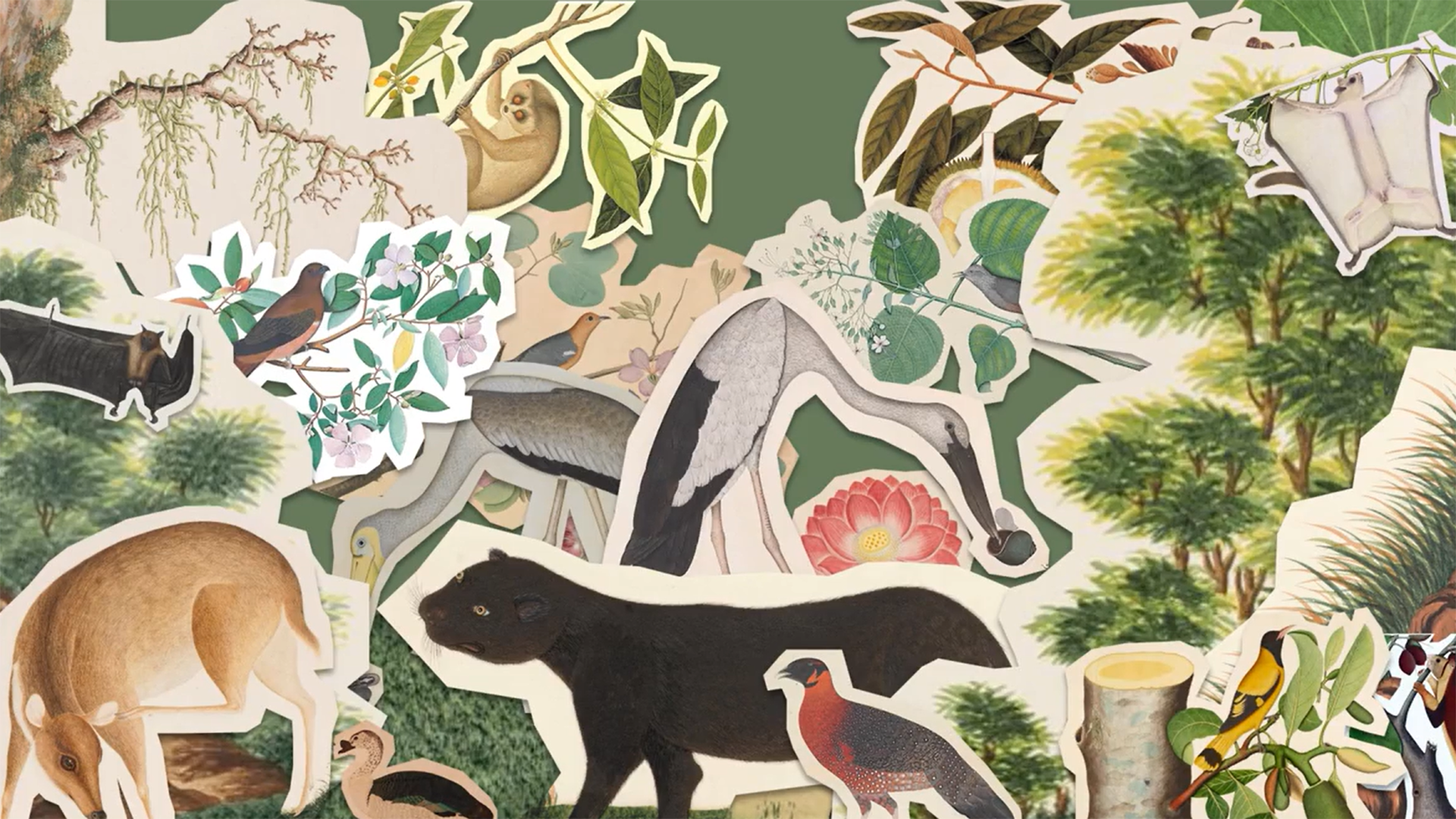
Rather than tracing Singapore’s past only through dates and events, “700 years” invites learners to look closely at an expansive range of objects and images that have survived and recognise them as valuable clues to Singapore’s past — a key feature of the course.
For instance, a 9th-century Chinese ceramic, a piece of textile woven in Gujarat for Southeast Asian clients, or a portrait produced in Bombay, Singapore or Canton can reveal stories about the movement of people, ideas and tastes across the region.
The course draws on more than 700 forms of material culture from Singapore’s institutional collections, including the Asian Civilisations Museum, NUS Museum and NUS Libraries, as well as collections from institutions overseas. It also looks beyond objects made on the island itself, presenting Singapore as a crossroads shaped by long-standing regional and global connections.
Mr Dylan Chng, Co-educator of “700 years” said this approach encourages learners to ask questions that can open up new ways of understanding the past.
“By looking closely at objects and the stories behind them, students will learn to make connections between people, places, ideas and cultures, and develop new ways of seeing and understanding the world around them. They learn to ask: ‘What can this object tell me?’, ‘Where did it come from?’ and ‘Why was it made?’ These questions can open up new ways of understanding not just Singapore’s past, but the world around us.”
The course’s blended learning format is designed to deepen this experience, combining online video lectures with in-person tutorial sessions and independent museum research. Students can work through the online material at their own pace before coming together with faculty and peers to discuss ideas and explore key concepts and case studies in greater depth.
From the NUS classroom to learners everywhere
Given its broad relevance to anyone interested in Singapore’s history, art and cultural heritage, the new course will also be made available to the public, including beyond Singapore, through the FASS’ Continuing Education and Training (CET) offerings from January 2027.
Public learners can choose between the blended learning format or take the course entirely online, with access to video lectures, readings, resources and quizzes from anywhere in the world.
Ultimately, the new course allows students and adult learners alike to see the island’s history in a new light, reflecting NUS’ commitment to enhancing the learning experience to make education more engaging, interdisciplinary and relevant to students and adult learners today.
“That is what makes this a valuable General Education course. Students from different disciplines can come together to explore something they may not have studied before, while learning to look closely, ask questions and make connections between things that might not seem connected at first. I hope they leave not just knowing more about Singapore’s history, but seeing it a little differently,” said Dr Jaradi.
This story first appeared in NUSnews on 14 August 2026.