

From knowing to doing: NUS academics and students drive impact through community research
September 17, 2026
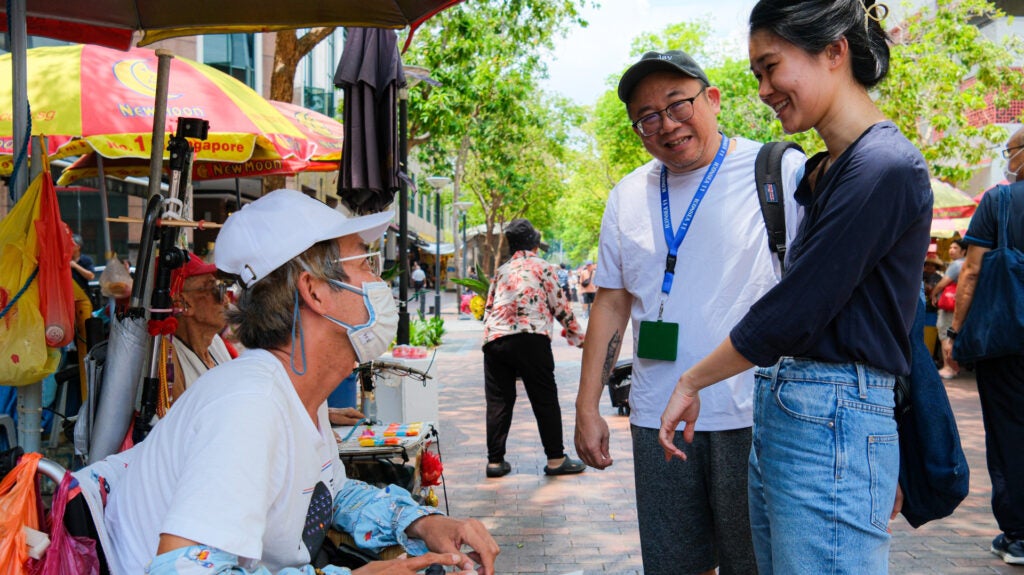
Every day, rain or shine, Tommy (not his real name) makes his way to Waterloo Street in his motorised wheelchair. There, the 50-year-old spends up to 15 hours a day stationed near the entrance of the Kwan Im Thong Hood Cho Temple. As a licensed tissue seller, he earns a modest S$30 to S$40 daily — money to cover his meals, transport, medical expenses and support for his elderly parents.
Nearby, his 80-year-old friend would similarly sell tissues for a few hours a day to support his wife with dementia and his daughter, despite his poor health — up until his recent passing. Their stories are a reminder of the harsh realities faced by those on the margins of Singapore’s bustling metropolis.
Dr Kevin Tan, a cultural anthropologist and lecturer at the NUS Chua Thian Poh Community Leadership Centre (CTPCLC), describes individuals like Tommy and his friend as members of the "precariat".
“The precariat — a blend of ‘precarious’ and ‘proletariat’ — describes someone who copes with life day by day, but is just one crisis away from falling through the cracks,” explained Dr Tan. “If Tommy falls and gets hurt, he cannot turn up at the temple entrance for weeks. That means income lost. It is a constant struggle.”
For months, Dr Tan and Ms Kuah Ting Ting, an instructor at CTPCLC, conducted field research on Waterloo Street. They found that, beyond being a religious urban enclave, the area served as a sanctuary for a vulnerable community: older, lower-income individuals who often navigate physical disabilities and constrained circumstances.
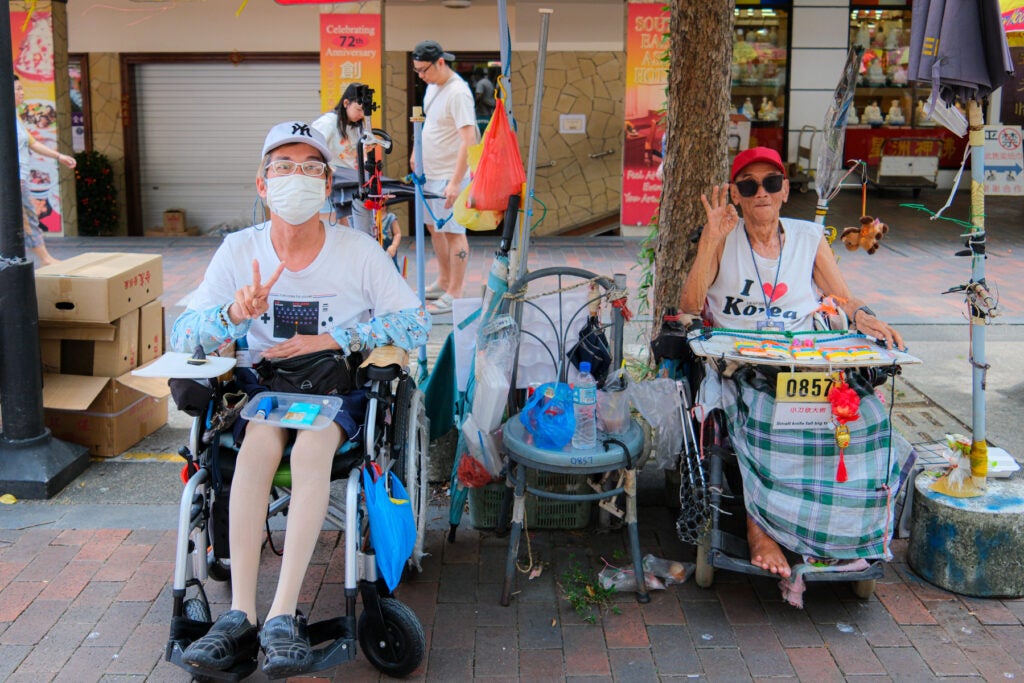
As prosperous as we have become as a nation, we must remember that many are still struggling,” noted Dr Tan. “While policymakers and social services are doing what they can, our contribution as educators and academics is to go to the ground, gather these personal narratives and share the realities of people’s lives. Hopefully, this reaches those who can drive meaningful change in decision-making.”
Furthermore, such research is crucial for education. By bringing real-world context to class, educators can humanise the curriculum, helping students understand the visceral realities of poverty and marginalisation. This cannot be taught from textbooks alone.
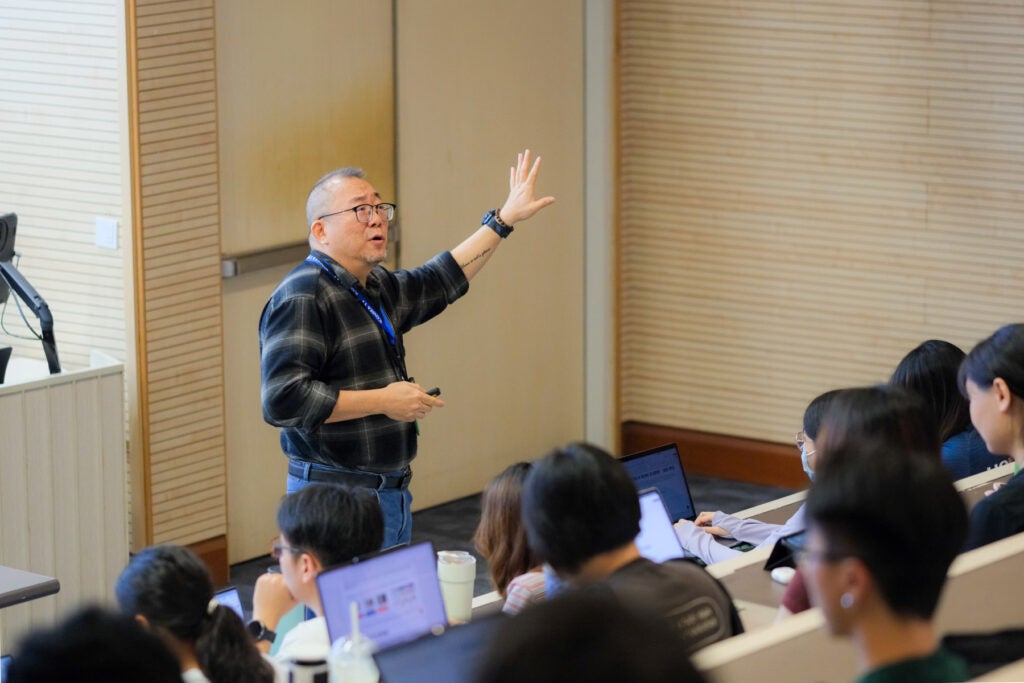
15 years of nurturing community leaders
The intersection of academic research and on-the-ground community engagement is at the heart of the work at CTPCLC. Established with a generous donation from Dr Chua Thian Poh, Founder and Executive Chairman of Ho Bee Land, the Centre nurtures Singapore’s next generation of community leaders.
Now in its 15th year, the Centre's work spans education, research and community partnerships, giving students opportunities to apply what they learn to real-world social issues. Many graduates of the programme join the social sector or initiate ground-up community projects, creating a ripple effect of positive change.
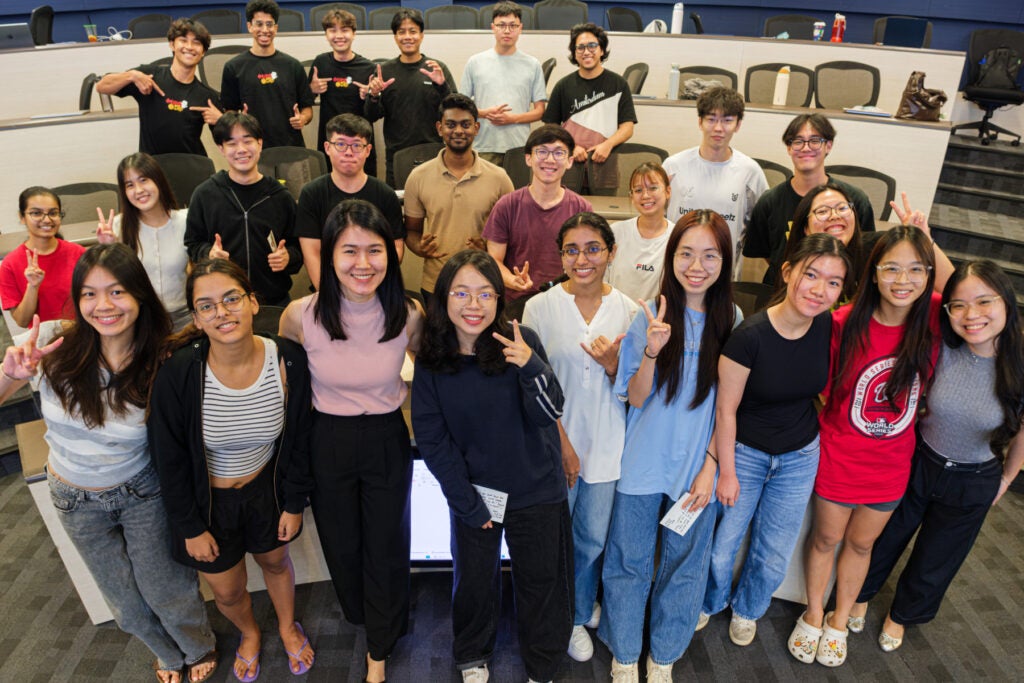
Giving youths a voice through applied research
The strong alumni ecosystem at CTPCLC has been instrumental in driving community development research and collaboration. A connection made by a CTPCLC alumna led to a year-long research practicum with =DREAMS Singapore, a first-of-its-kind weekday boarding programme for children from under-resourced backgrounds.
Working closely with =DREAMS Singapore’s Executive Director Ms Juliet Tanuwira and her team, four NUS Faculty of Arts and Social Sciences graduates who are also CTPCLC fellows — Ang Wei Cai, Christine Devina Wibisono, Edice Koh Ying En and Megan Wang May-En — were tasked with evaluating the programme's holistic impact from the perspective of its scholars.
Conducting focus groups with teenagers after a long school day called for empathy and creativity. To keep the youths engaged, the NUS team used interactive tools like laminated cards and worksheets, allowing the scholars to physically rank programmes and comfortably share their thoughts.
The experience was profoundly transformative. For Edice, a Social Work major, the project underscored that research is a "precious mode of communication" meant to be shared. “Sharing our findings with the scholars and staff brought honest conversations and validation. It emphasised the importance of involving the community in our research,” she said.
Wei Cai, a Chinese Studies major, learnt the value of adaptability. “It is always important to either have a contingency plan or be able to improvise on the ground to achieve your objectives,” he said.
Translating their findings into action, the team provided =DREAMS Singapore with practical recommendations, including structuring family bonding sessions to better bridge residential and home life, and tailoring mandatory tuition at the boarding to student performance to better balance academic rigour with students’ individual strengths and learning needs. They also designed an annual survey that can help =DREAMS Singapore track the programme's long-term impact.
“The CTPCLC students offered a valuable opportunity to gain an independent snapshot of our scholars' well-being and experience,” said Ms Tanuwira.
Beyond the research, she noted the partnership's broader impact: “Supporting under-resourced youths is one part of our work; another is to galvanise young people with greater access to opportunities to support their less-resourced peers.”
Ultimately, she hopes this inspires a culture where youths actively use their voices to uplift one another.
Multiplying impact
Noting how the project encapsulates the core educational goals of CTPCLC, CTPCLC instructor Ms Kuah, who supervised the practicum, said she hoped the students had gained the ability to apply classroom theories to diverse, real-world contexts.
"Impact is not just about the time or money invested in the community space, though both are important resources. Impact is also about action driven by critical thought, backed by research and rooted in learning to build trust with stakeholders. This is a skill that will serve these future leaders well," she said.
As a culmination of their efforts, students will present their work and share their experiences at the annual CTPCLC Symposium on 19 September, alongside their peers and alumni who continue to co-create a more inclusive, compassionate and resilient Singapore.
This story first appeared in NUSnews on 17 September 2026, and is the first of a two-part series celebrating the 15th anniversary of the Chua Thian Poh Community Leadership Centre at NUS. Stay tuned for part two.