

News

In “Do racist comments online really reflect what Singaporeans think?” (CNA Deep Dive, 17 September 2026), Associate Professor Natalie Pang (NUS Communications and New Media) joins CNA hosts Steven Chia and Tiffany Ang, as well as Dr Mathew Mathews (NUS Institute of Policy Studies) to examine why racist and xenophobic rhetoric can appear so prominent […]
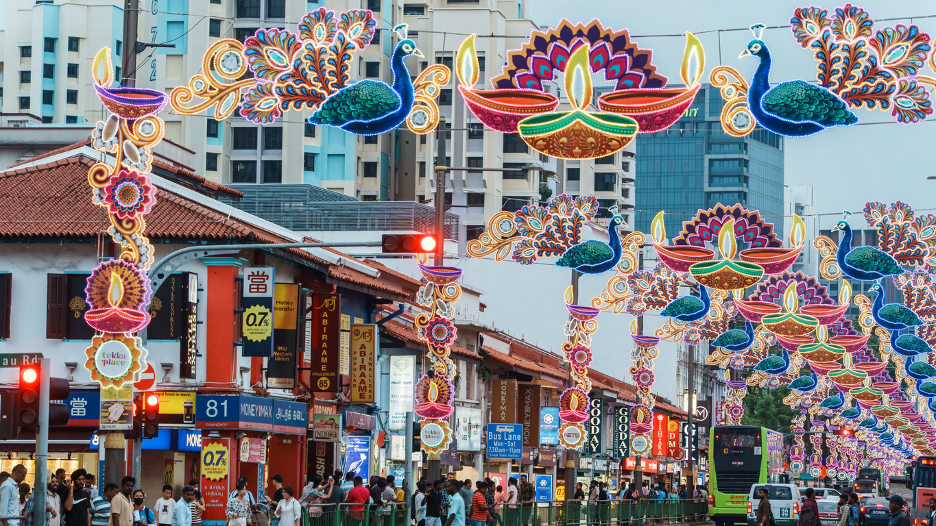
Singapore prides itself on its multiracial demographic, a characteristic rooted in historical resettlement to cater to the regional maritime and commercial needs of the British Malayan region. As Hindus worldwide prepare to celebrate Diwali, the festival of lights, this year on 8 November, we look at ‘Singapore-India Links through Hinduism’ (India on Our Minds, 2020) […]
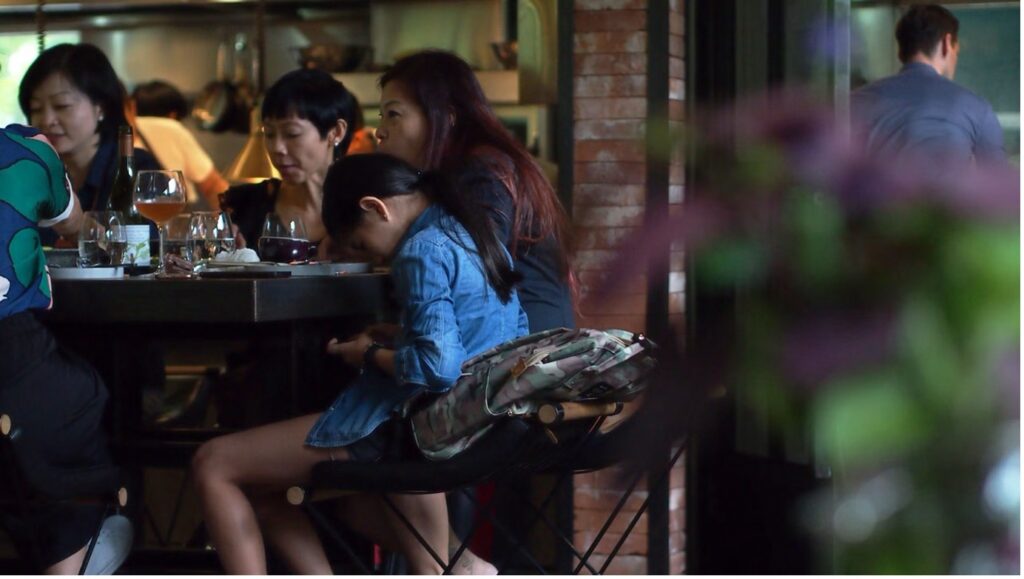
Where do voters turn when the information environment becomes fast, fragmented, and uncertain? In “How Indonesia and Singapore Handle Information Pressure” (360info, 25 July 2026), Associate Professor Carol Soon (NUS Communications and New Media) and Dr Maria Monica Wihardja (ISEAS-Yusof Ishak Institute) examine how audiences in Indonesia and Singapore navigate political information during elections. They […]

What does it mean to choose stay-at-home motherhood when that choice is shaped by migration, family expectations, and limited work options? In “Options Within Constraints: Parenting Experiences of College-Educated Chinese Stay-at-Home Mothers in Singapore” (Journal of Ethnic and Migration Studies, 2025), Associate Professor Zheng Mu (NUS Sociology and Anthropology & NUS Centre for Family and […]

As migration reshapes family life, childcare may extend across not only national borders but also multiple generations. In ‘Emotional Transnationalism in Multigenerational Parenting: Chinese Grandparenting Migrants in Singapore and Intergenerational Ambivalence’ (Journal of Ethnic and Migration Studies, 2025), Provost’s Chair Professor Elaine Lynn-Ee Ho (NUS Geography & NUS Asia Research Institute) and Associate Professor Tuen […]
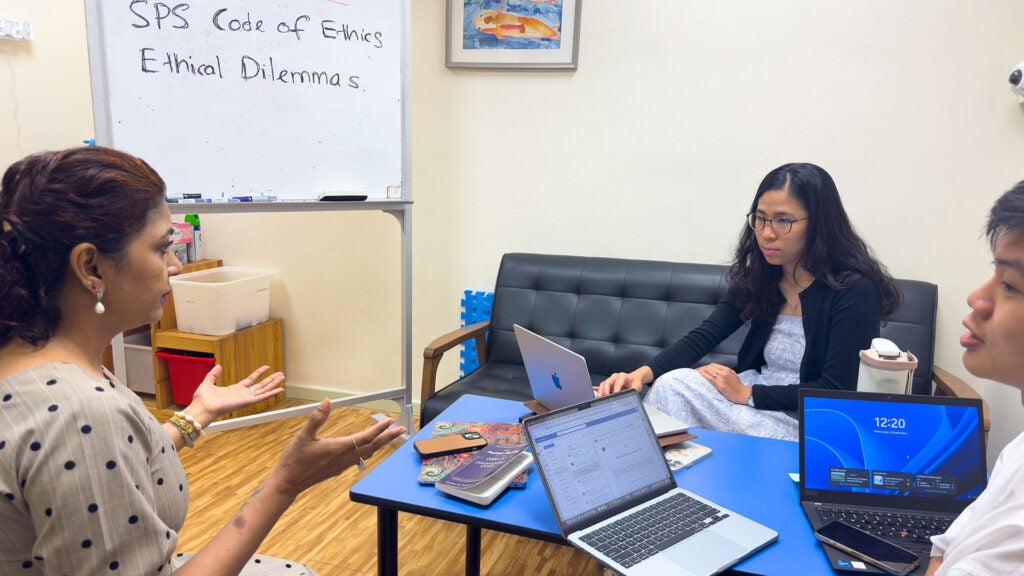
The five-year programme integrates undergraduate and master’s studies, shortening the usual seven-year route to five as part of a national push to strengthen support for mental healthcare in Singapore.

Cognitive style (CS) refers to the way individuals think, learn, and process information. The concept of cognitive style (CS) was developed and refined to describe how people’s thinking patterns are influenced by their environment, helping them adapt to different situations. While CSs are constrained by abilities and personality traits, information processing preferences are largely shaped […]

How can small states turn religion, heritage, and cultural networks into diplomatic influence? In “When Small States Practice Buddhist Diplomacy” (The Diplomat, 5 August 2026), Associate Professor Jack Meng-Tat Chia (NUS History) examines how Bhutan and Singapore practise Buddhist diplomacy in ways that differ from the Great Power strategies of China and India. Chia points […]
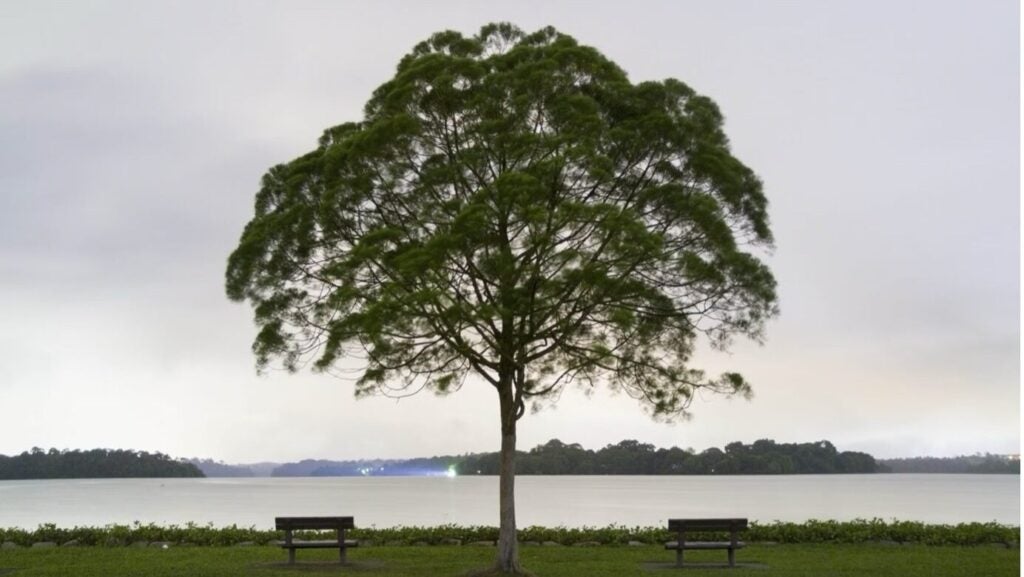
How should a city choose which trees to plant in a warming climate? In ‘Variations in the Temperature Response of Photosynthesis Among Nine Common Tree Species Planted in Singapore’ (Frontiers in Forests and Global Change, 2026), Li Ming Rachel Teo, Liyao Yu (both NUS Geography), and Assistant Professor Remi Xiangzhong Luo (NUS Geography & NUS […]

World Mental Health Day is observed annually on 10 October to raise awareness of mental health issues and mobilise efforts to support mental well-being. This day serves as a sobering reminder of the importance of mental health, particularly for vulnerable groups such as young adults. In Singapore, concerns surrounding youth mental health have grown in […]