
STEER India 2025: Exploring community and cultural development in a dynamic nation
August 4, 2025
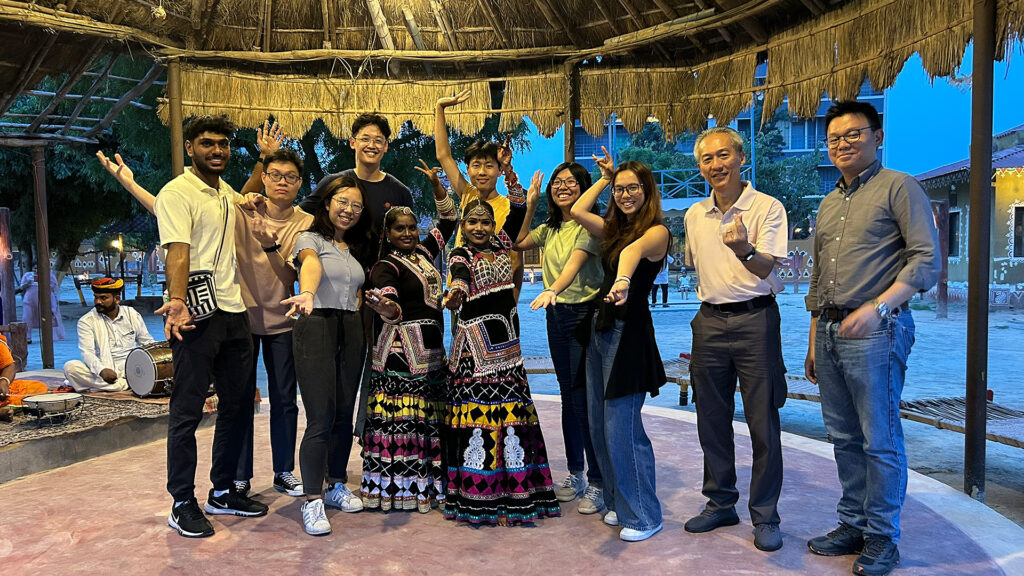
In June this year, seven NUS students from various faculties embarked on a nine-day journey to New Delhi and Agra in India as part of the Study Trips for Engagement and EnRichment (STEER) programme led by Associate Professor Loh Wai Lam, Academic Director of NUS Global Relations Office (GRO). The trip, jointly organised by GRO and the Office of International Affairs & Global Initiatives at O.P. Jindal Global University (JGU), was curated to enable the students to experience the vibrancy and dynamism of India through a blend of academic discourse and cultural immersion.
Breaking existing mindsets and experiencing the cultural landscape
Through classroom sessions, site visits, and direct engagement with local communities and institutions, students were able to examine the relationship between community building and cultural expression in India, and gain insights into the intricacies of the country’s social fabric and development efforts.
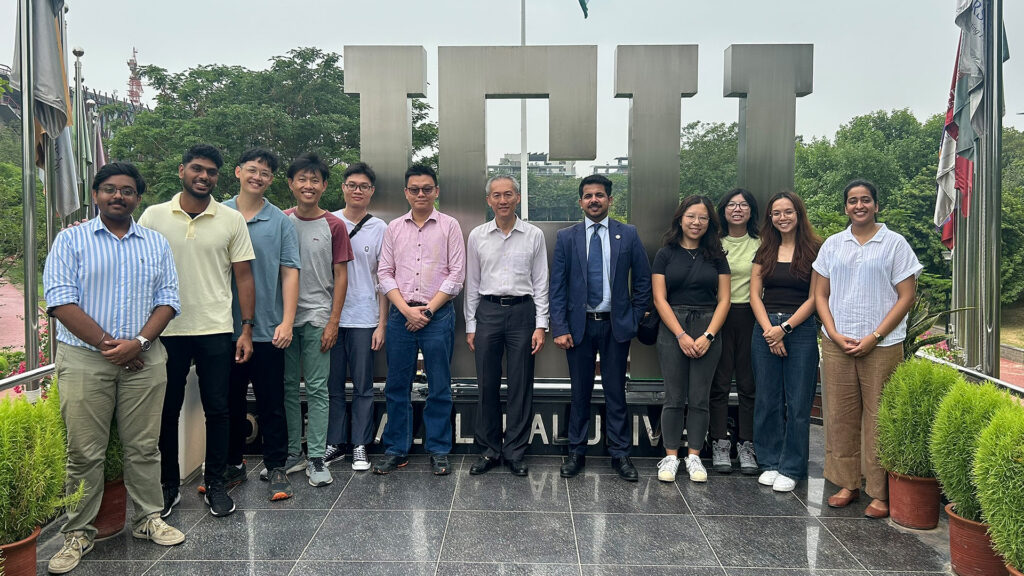
A key component of the programme was a series of six classroom sessions at JGU which provided students with foundational knowledge of the historical, social, and economic factors shaping community development in India. At a visit to the Constitution Museum on campus, they also learned about the birth of the Indian Constitution, which was established following the country’s independence from British rule.
For second-year Business Administration undergraduate Kuo Tsung Hsun, learning how the nation emerged as the world’s largest democracy was deeply inspiring. “The value of democracy is not something easily earned. This is an idea that I’m beginning to appreciate,” he reflected.
In addition to learning about India’s history and governance, the students examined the enduring impact of the caste system — a social hierarchy that, although legally abolished, continues to influence access, identity, and opportunity in both subtle and overt ways. The students also explored India’s cultural heritage, diving into the preservation of indigenous languages as a means of maintaining community identity, and the role of traditional ecological knowledge in advancing sustainable development.
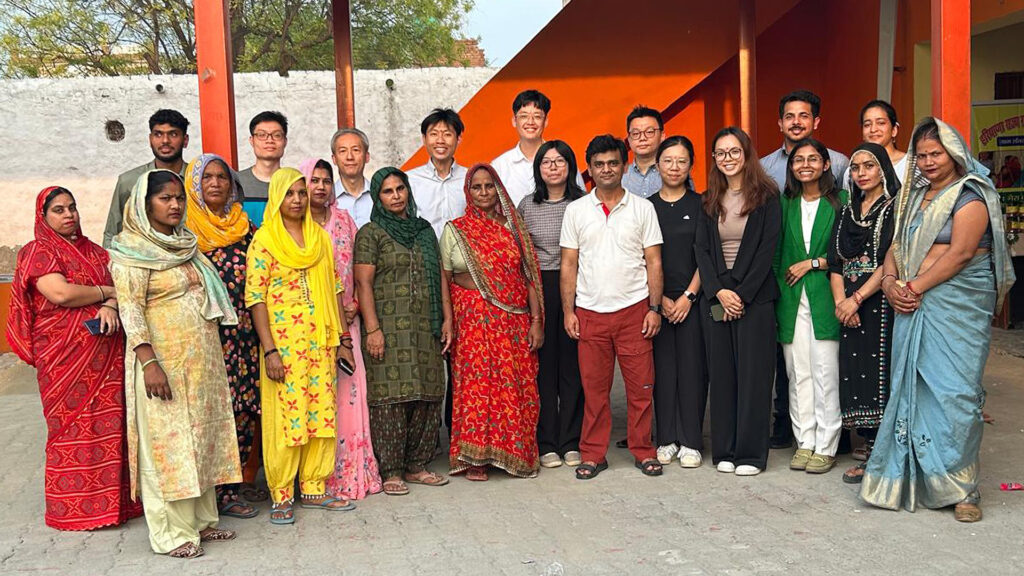
A visit to a village in Sonipat, where JGU is located, and an interaction with a local self-help group also left a lasting impression on the students. They were deeply moved by the stories of hardship and perseverance from women who had started businesses despite social and financial barriers. Many were inspired by their simple yet powerful message to “just dream”.
Reflecting on the encounter, second-year Psychology undergraduate Ameline Ang said, “These women carved out their journeys not because conditions were ideal, but because they believed change was possible. Their entrepreneurial spirit wasn’t built on access, but on sheer will. It made me reflect on my own privilege and the responsibility I have to create meaningfully, not just comfortably.”
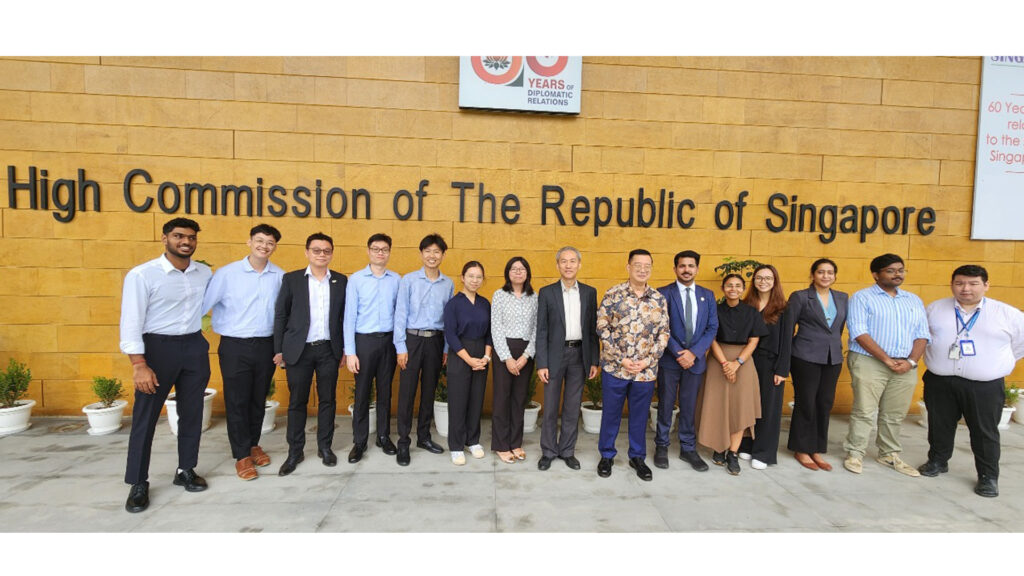
These experiences were further enriched by a visit to the High Commission of the Republic of Singapore in New Delhi, where the students had the opportunity to engage with Singaporean diplomats and gained first-hand insights into their roles and daily lives in India.
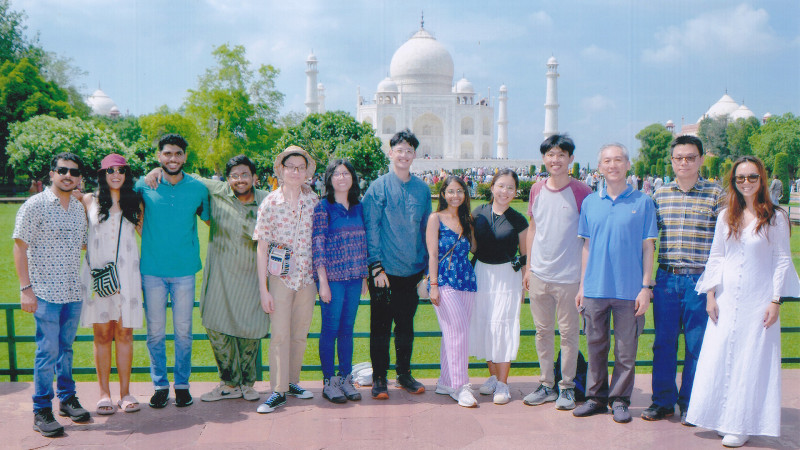
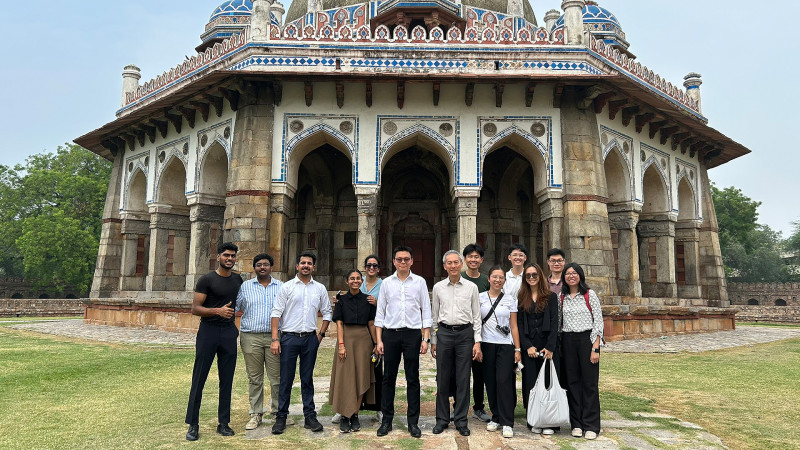
No STEER trip would be complete without visits to iconic historical sites. The first visit was to Humayun’s Tomb, a UNESCO World Heritage Site located in Delhi that was built in 1570. As the first garden-tomb in the Indian subcontinent, it represented a turning point in Mughal architecture, setting the stage for later masterpieces like the Taj Mahal, another UNESCO World Heritage Site, which the students visited later in their trip.
Looking back and moving forward
At the end of the programme, the students were asked to reflect on their experiences in India: what were they passionate about; what emotions did they experience; what changes in mindset did they undergo; and what tangible plans can they make and act on?
For Eric Sim, a third-year Information Security undergraduate, the visit marked a fitting end to an insightful and rewarding journey in India. More than just academic learning, the trip offered him fresh perspectives and lasting memories. “It was so much fun that it’s etched in my mind to this day—and hopefully these memories will last for more than a lifetime. I already miss every moment with them. Dhanyavaad (which means ‘Thank you’ in Hindi), everyone.”