

News
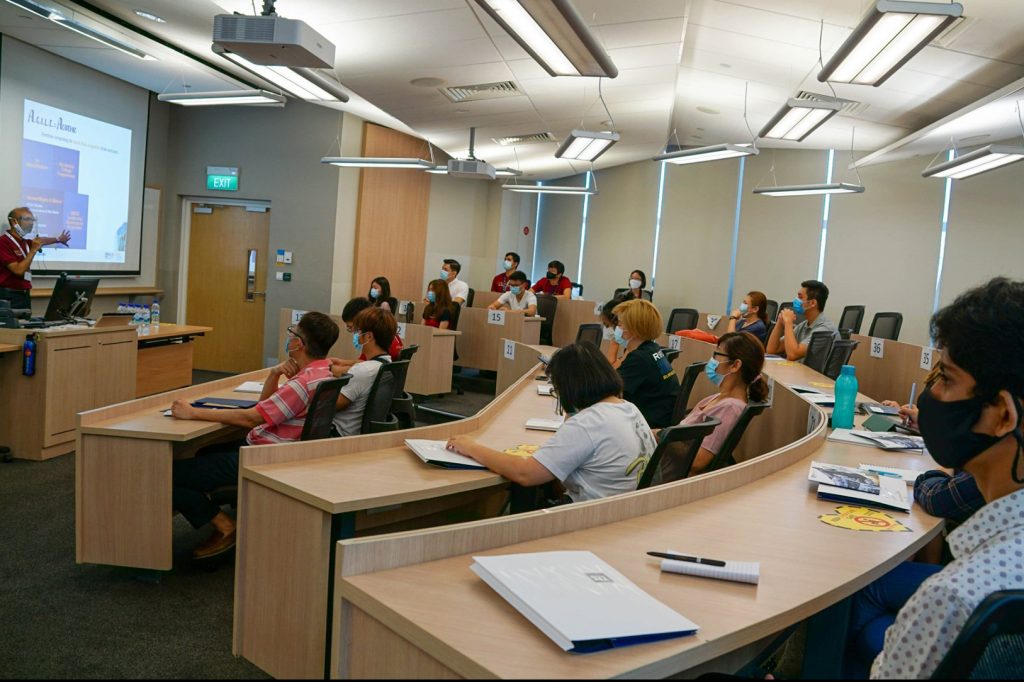
NUS President Professor Tan Eng Chye discusses the University’s recent interdisciplinary initiatives – the setting up of the College of Humanities and Sciences (CHS) and the new Common Curriculum for the Faculty of Engineering and the School of Design and Environment – and the importance of lifelong learning in ensuring that students are adaptable and future-ready.

Mr Jonathan Sim, instructor from the Department of Philosophy, offers up three methods for facilitating effective group work by improving participation and communication between student peers.
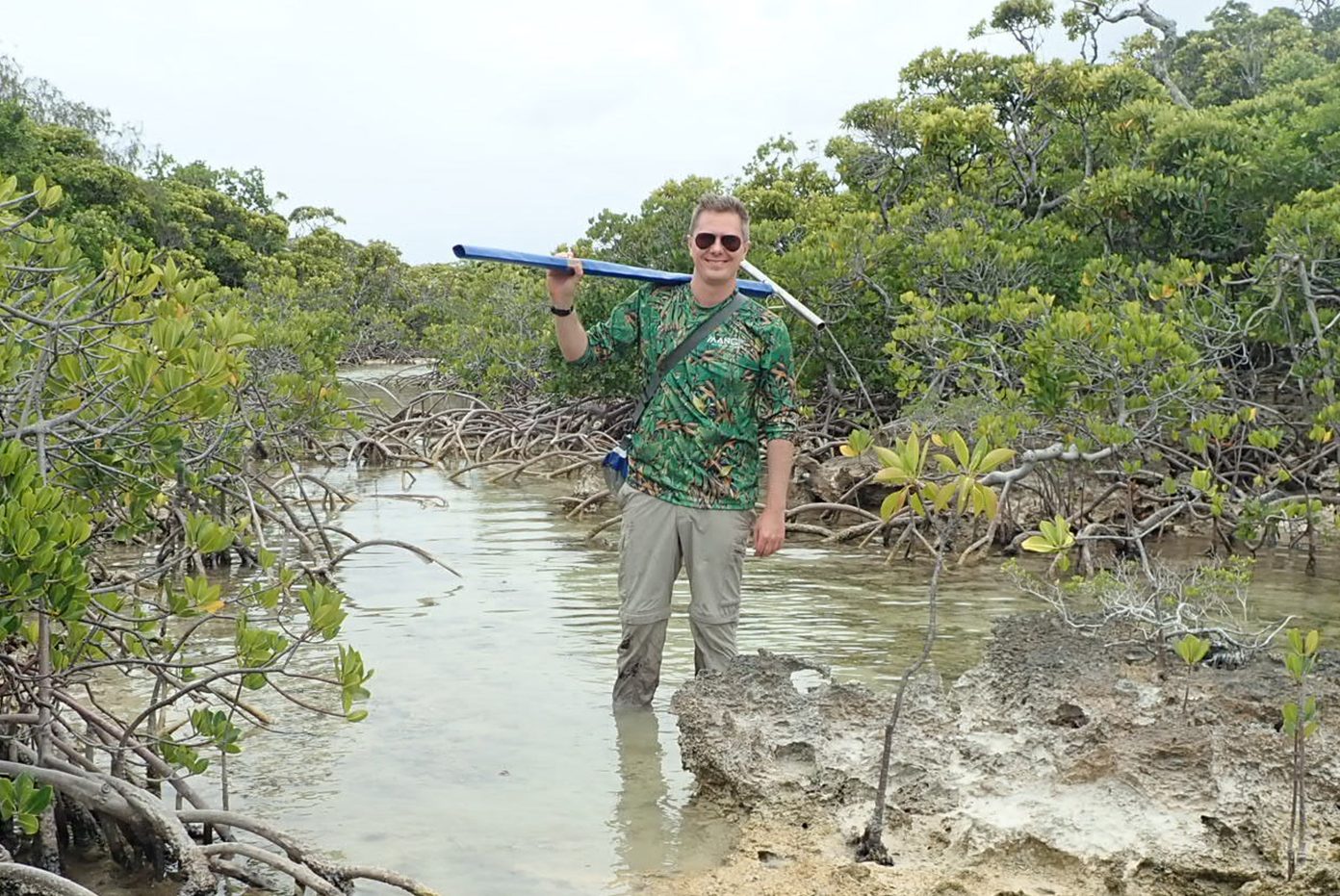
We sat down with Assoc Prof Dan Friess on 26 July – the United Nations’ International Day for the Conservation of the Mangrove Ecosystem – to talk about his love for mangroves, why they matter and how the community can play an important role in their conservation.

The Social Service Research Centre (SSR) at the National University of Singapore’s (NUS) Faculty of Arts and Social Sciences has received a S$1.4 million boost from the Ministry of Social and Family Development (MSF) and Tote Board for a Capability Development Programme for the next three years.

We tap the minds of Ms Cher Whee Sim, Vice President (Global Talent Acquisition & Mobility), Micron Technology, and Ms Agatha Soh, Regional Head of People, Shopee, to find out about the skills they value and what interdisciplinary skills – defined as the ability to integrate and apply different perspectives to solve complex problems – they hope their hires bring to the workplace.

COVID-19 has made life within and beyond the classroom virtually (pun intended) unrecognisable. Stripped of the in-person interactions so vital to the student experience, some might say that universities have lost their value and become yet another casualty of the pandemic. But institutions of higher learning still have legs — if they dare to re-imagine themselves.

The 2021 Prize was open to non-fiction and fiction works in English (written or translated) that were published from January 2017 to 30 May 2021. These also included creative works that have clear historical themes, as well as book-length works that were either authored or co-authored and addressed any time period, theme, or field of Singapore history, or included a substantial aspect of Singapore history as part of a wider story.

Mr Jonathan Sim, instructor from the Department of Philosophy, describes how he engaged with local employers to open internship opportunities to humanities and social sciences students who would not previously have been considered.

Faculty and students talk about what life has been for them this past year, what they miss about campus life, and extend words of advice and congratulations to the graduating Classes of 2020 and 2021.
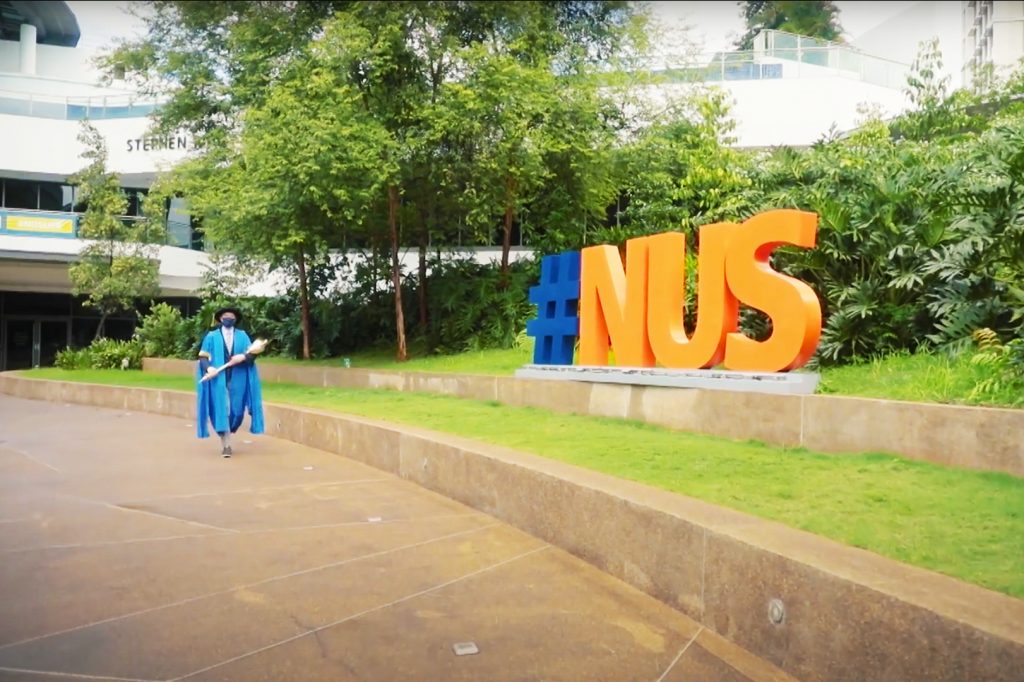
There are 11,582 students receiving Bachelor’s and graduate degrees from the Class of 2020, and 11,990 graduates being conferred these qualifications from the Class of 2021.