

News

World Suicide Prevention Day is observed annually on 10 September with the aim of rallying organisations, governments, and the public around the message that suicide is preventable. The triennial theme from 2024 to 2026, ‘Changing the Narrative on Suicide’, seeks to raise awareness about the importance of reducing stigma and encouraging open conversations to prevent suicides. […]

Professor Zhang Weiyu from NUS Communications and New Media has been appointed Co-Chief Editor of the Journal of Communication, marking a significant recognition of NUS’ leadership in communication and media research.

Singapore’s reputation for neutrality and trust has long been an asset to its strong economic position, but what happens if this reputation slowly becomes exploited and unravelled? In ‘Fake recruiters and elite capture: “Singapore Washing” gets even riskier amid heightened geopolitical tensions’ (Academia SG, August 2026), Associate Professor Chong Ja Ian (NUS Political Science) argues […]

The NUS University Awards 2026 recipients were honoured for their outstanding contributions in education, research, mentorship and service, recognising nine trailblazers, including FASS’ Assoc Prof Robin Loon, whose work has made an impact on the University, Singapore and the global community.
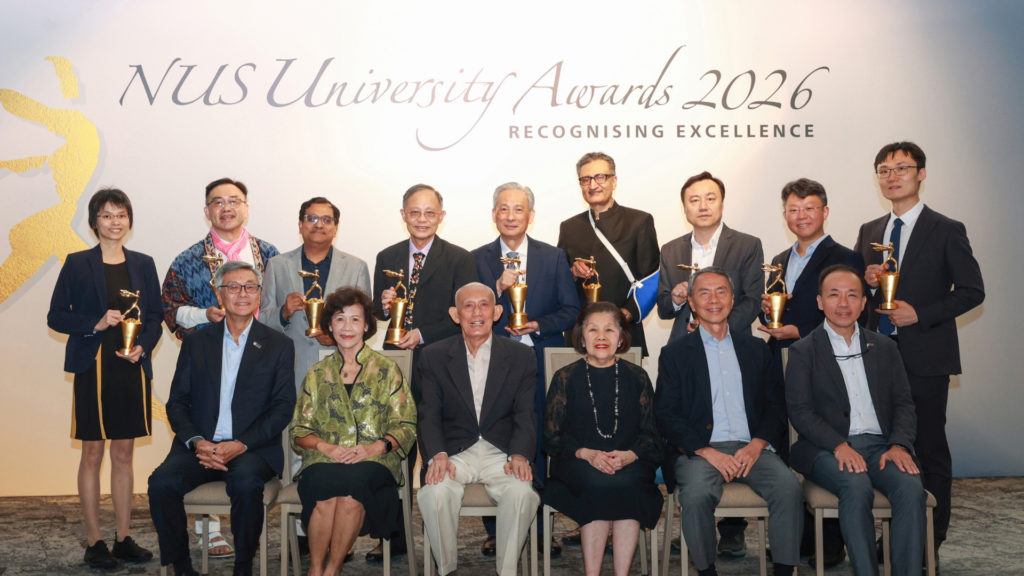
From the classroom to the laboratory and beyond, nine outstanding individuals were recognised at the NUS University Awards 2026 for their significant impact in teaching, research, mentorship and service. Among them, Outstanding Educator Award conferee Associate Professor Robin Loon (NUS English, Linguistics and Theatre Studies).
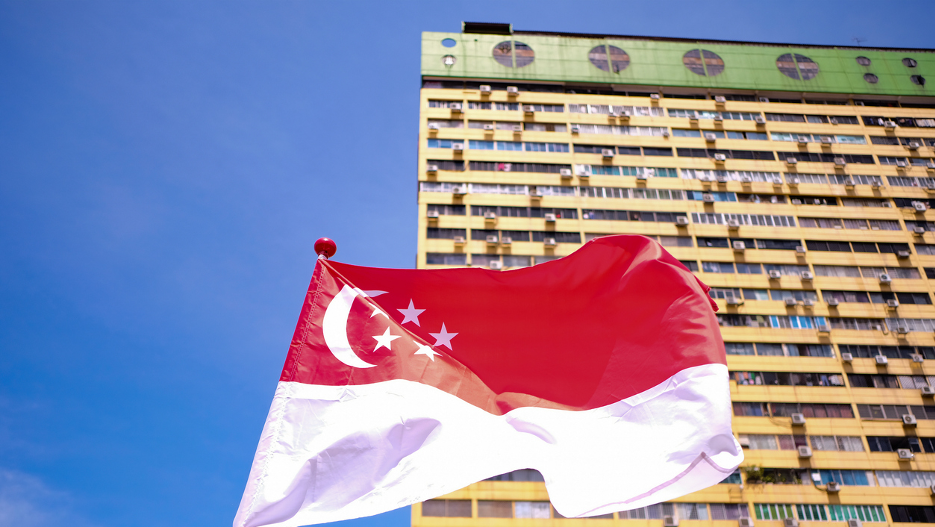
As globalisation and urbanisation accelerated in the late 20th century, cities began playing an expanded role on the international stage, giving rise to city diplomacy — a practice involving relations among cities, nation-states, NGOs, and corporations. Singapore exemplifies this trend, uniquely positioned as both a leading global city and a sovereign nation-state. This dual identity […]
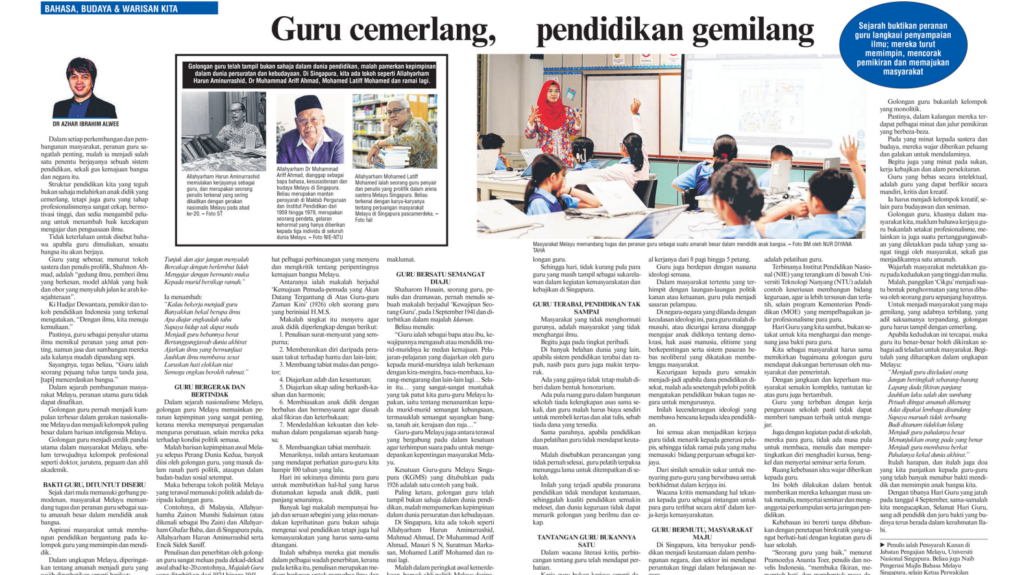
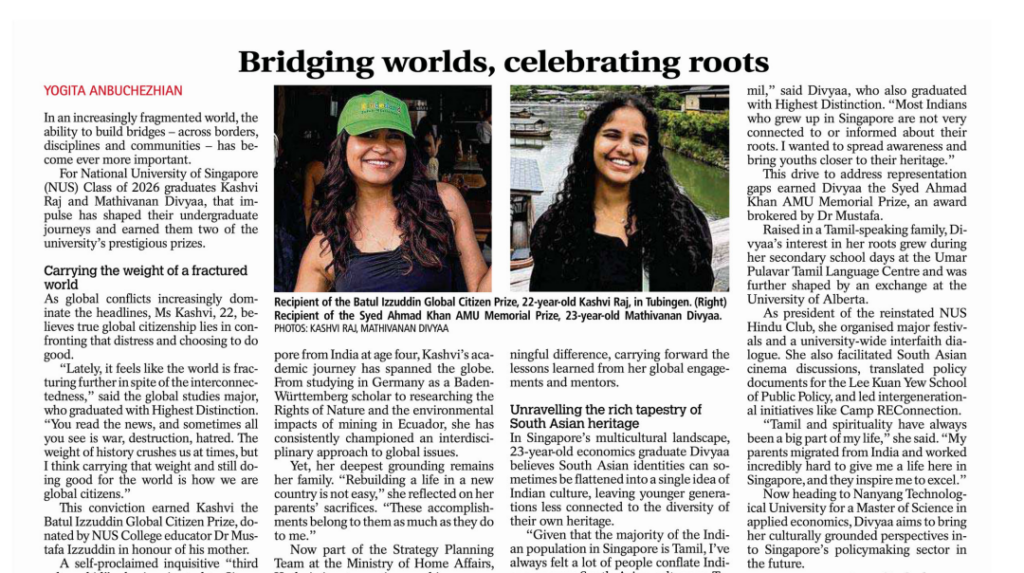
Meet NUS Faculty of Arts and Social Sciences students from NUS College whose award-winning journeys span global citizenship, community engagement, cultural heritage and academic excellence.
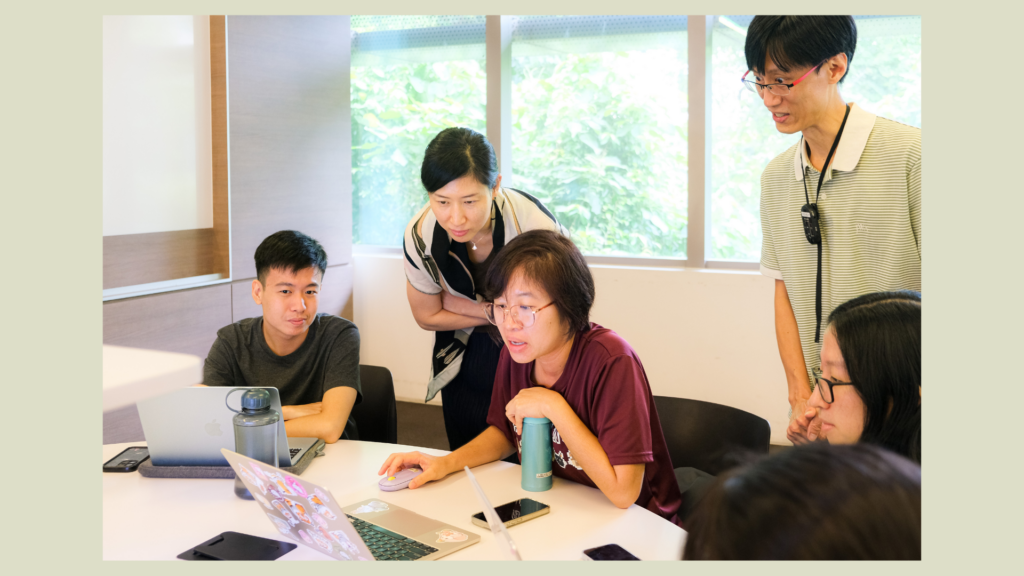
Starting from Academic Year 2026/27, all first-year undergraduates will take a compulsory module where they will gain practical skills to effectively use large language models and multimodal AI, before they begin their coursework.
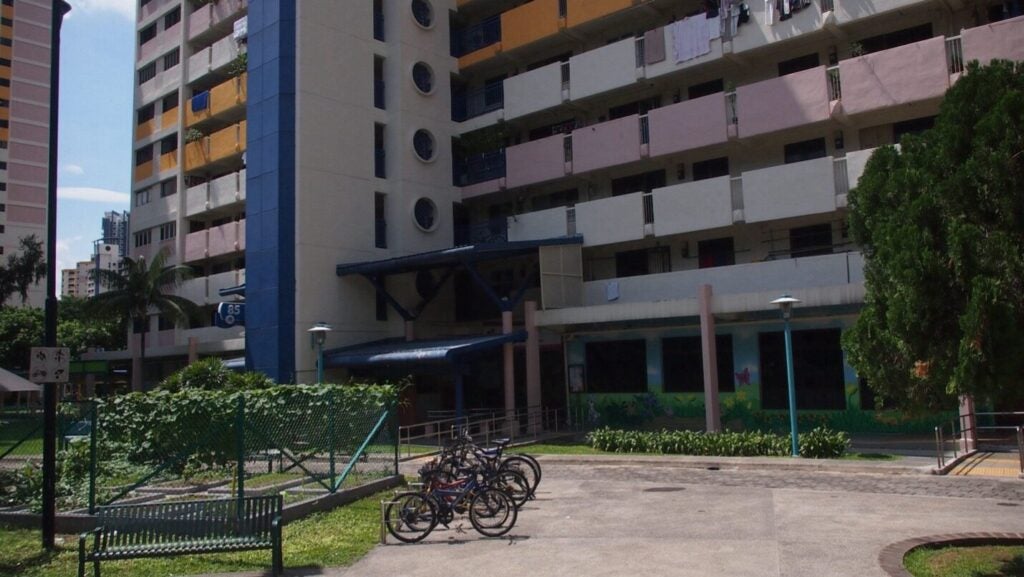
Singapore’s limited land requires difficult choices between infrastructural development and environmental conservation. The proposed redevelopment of a large portion of Maju Forest to build public housing has brought this tension into recent focus, drawing petitions with tens of thousands of signatures, heated online discussions and parliamentary questions over whether alternative sites could be considered. Against […]