

News
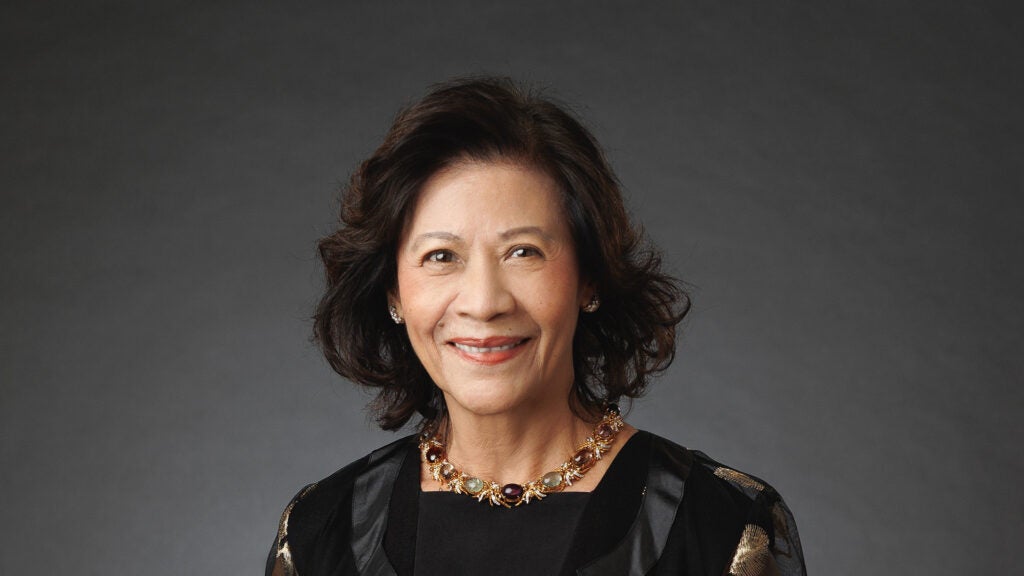
NUS Sociology alumna (1971), Distinguished Alumni Award conferee (2017) and former FASS Faculty Advisory Board member Dr Noeleen Heyzer brings decades of global leadership and social science expertise to the role.
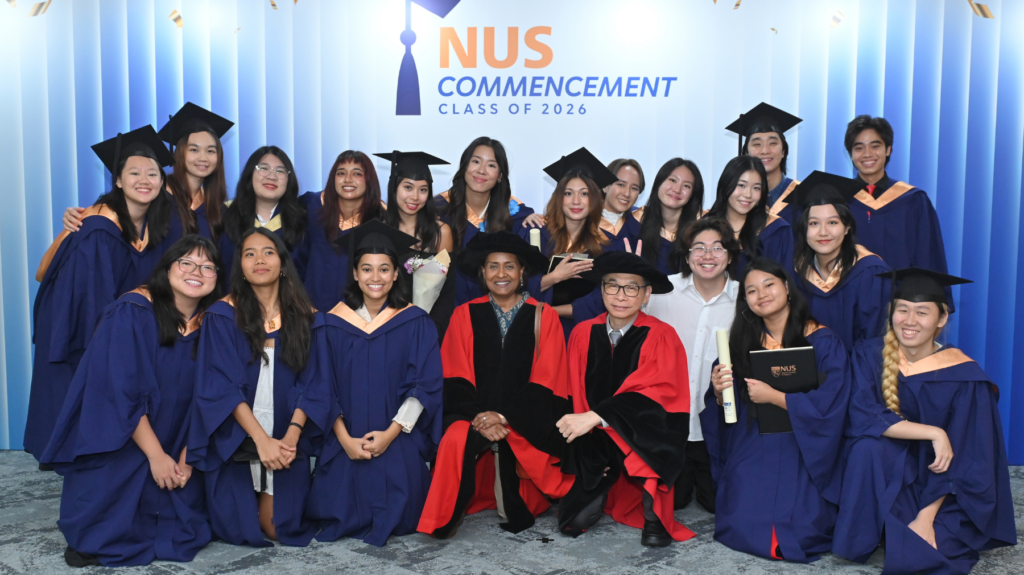
NUS celebrates its first cohort of Anthropology majors at Commencement 2026, marking a milestone for the discipline and its growing relevance in an AI-driven world.

The global rise in adults reaching midlife without having children is particularly pronounced in Asia. Despite this trend, little is understood about the varied pathways leading to permanent childlessness within the region’s populations. In ‘Diverse Pathways to Permanent Childlessness in Singapore: A Latent Class Analysis’ (Advances in Life Course Research, 2024), Wang Yanwen, Associate Professor […]

We spotlight three Class of 2026 student-athletes who balanced national competitions with the demands of their degrees. Through diligence and tenacity, they have excelled in their pursuits and carved out a rich university experience.
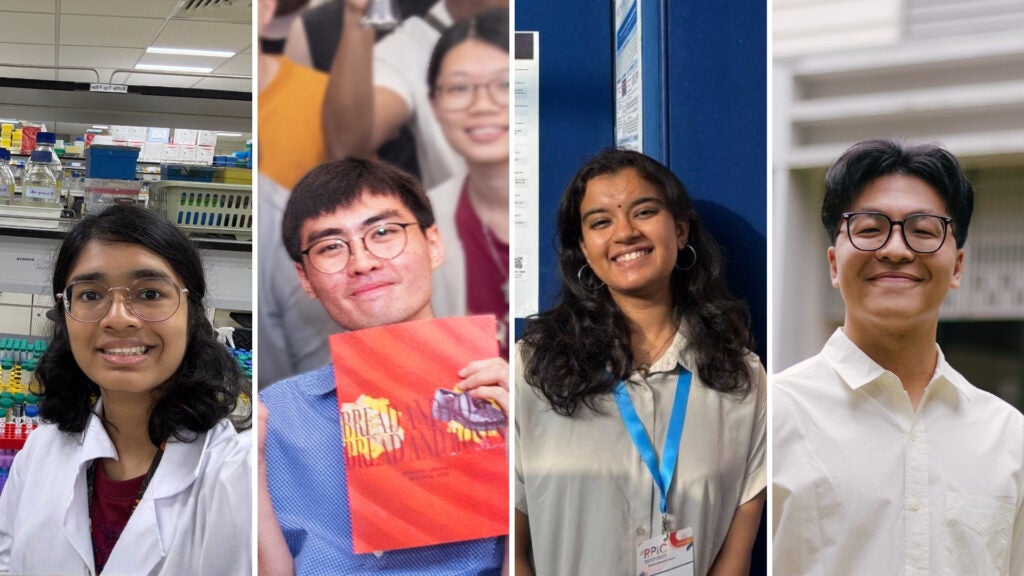
Going beyond what is taught in classrooms and textbooks, these students from the NUS Class of 2026 have led inquiries of their own — pushing disciplinary boundaries and exploring new frontiers of knowledge.

Peninsular Malaysia, with its extensive coastline, is home to numerous artisanal fishing communities that have historically relied on the sea for their livelihoods. Amid the escalating challenges of climate change, small-scale Malaysian fishermen are among the most vulnerable communities. In ‘Analysing Climate Change Through a Human Security Lens: a Case Study of Fishermen in Crisis […]
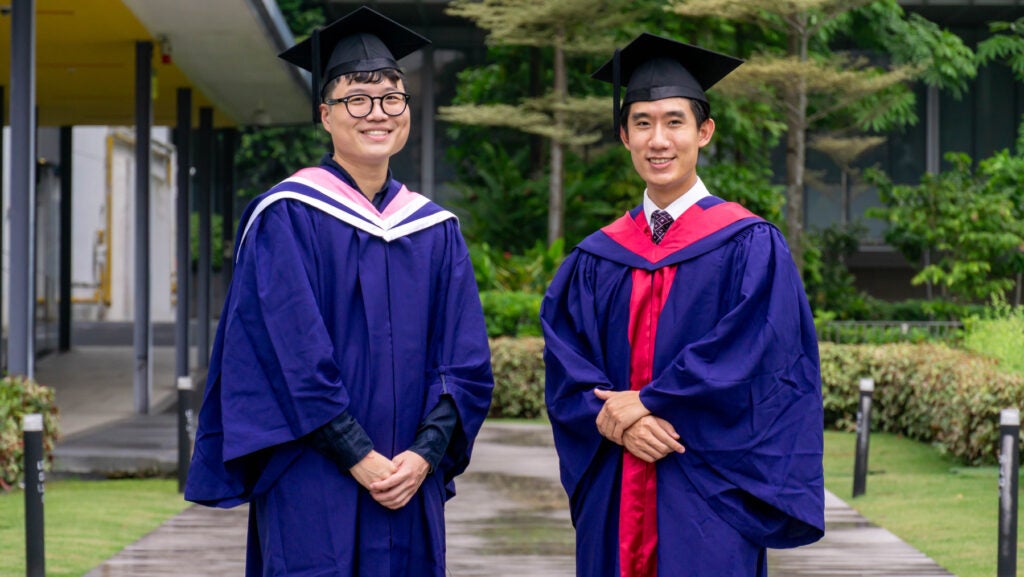
As the NUS Class of 2026 mark their Commencement, two graduates share how a drive to solve real-world problems led them to look beyond their own faculties for solutions, proving that a holistic education is not just about acquiring knowledge, but applying it to solve real-world problems.
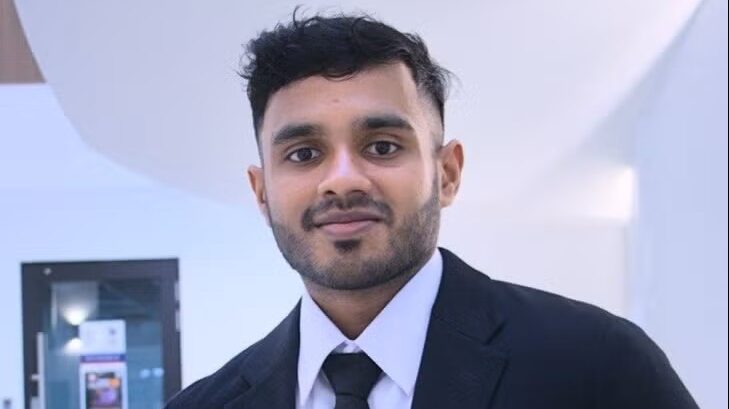
A course chosen by chance ended up revealing a little-known career path for Manisekaran Harish, who majors in Data Science and Analytics and minors in Geographical Information Systems (GIS).

Despite the widespread adoption of digital services post-COVID where e-transactions, telecommuting, and online activities have become the norm, societal attitudes toward digital equality and strategies to achieve it remain underexplored. In ‘Campaigning for Digital Equality: the Role of Digital Access Attitudes in a Neoliberal Context’ (Asia Pacific Journal of Social Work and Development, 2024), Professor […]

What shapes a speaker’s choice to say, ‘Put where?’ instead of ‘Where do I put it?’ This is the central question behind ‘Morphosyntactic Choice in Singapore English: Grammar, Psycholinguistics, and Variation’, a research project funded from 2026 to 2031 and led by Assistant Professor Nick Huang (NUS Department of English, Linguistics, and Theatre Studies). Supported […]