

News
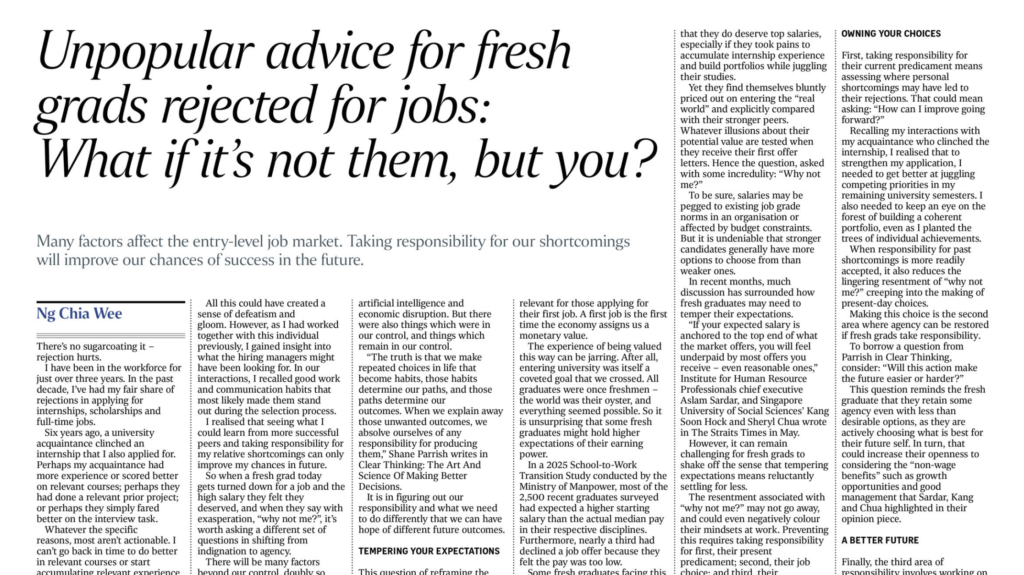
Why are fresh graduates struggling to land jobs? NUS’ Ng Chia Wee argues that reflecting on expectations and shortcomings can help graduates move forward.
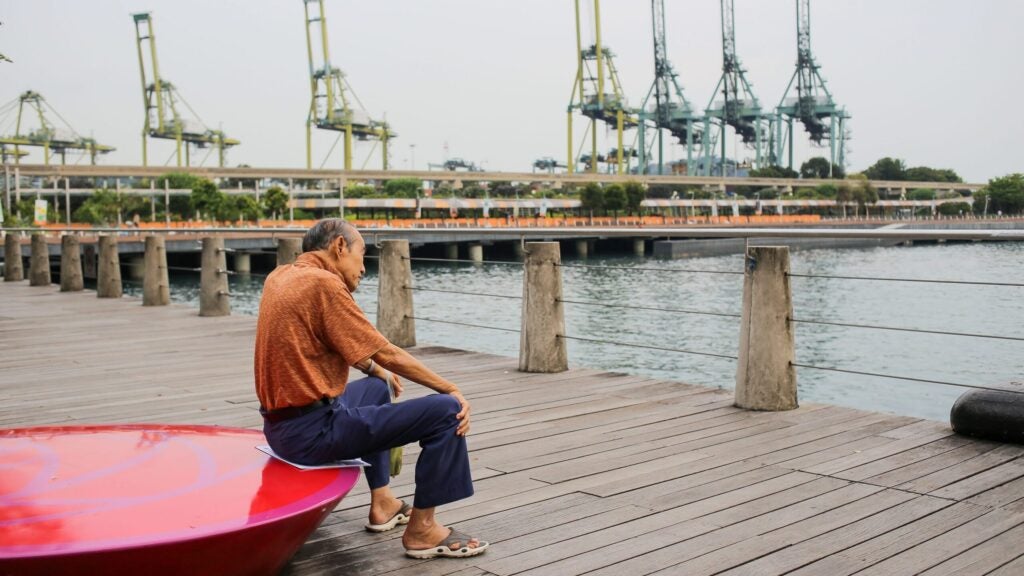
Ahead of the International Day of Older Persons, celebrated on October 1, it is crucial to recognize the various challenges that the elderly face. Among the critical factors impacting their wellbeing, widowhood stands as one of life’s most challenging and inevitable transitions, which many will eventually face. The loss of a spouse often leads to […]
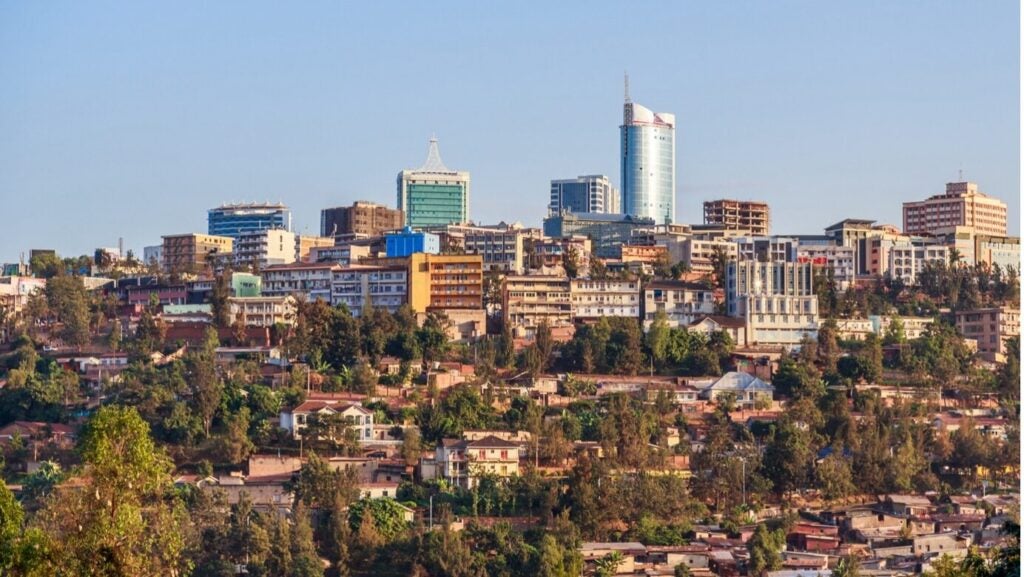
What does it mean for a country to imagine its future through the model of another city-state? In “Future and Imaginary Geographies of ‘Africa’s Singapore’: Planning the Emergent National-Urban Nexus of Rwanda-Kigali” (International Journal of Urban and Regional Research, 2026), Assistant Professors Allen Hai Xiao, Dylan Brady (both NUS Geography), and Gatoni Alexis Sebarenzi (University […]

Automation and digitalisation are transforming how people learn, work, make decisions, and participate in economic and social life. As artificial intelligence and other digital technologies become increasingly embedded in everyday institutions, they also raise important questions about human agency, assessment, trust, and governance. The Singapore Research Nexus (SRN) presents ‘Automation, Digitalisation, and Policy’, an outreach […]
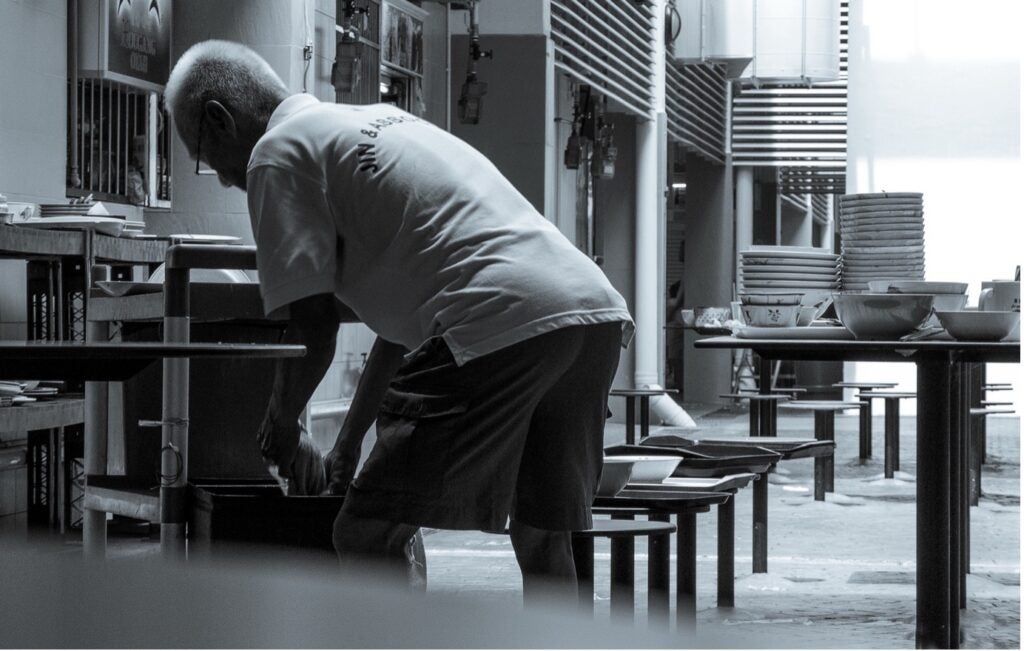
As Singapore’s population ages, enabling older people to remain meaningfully employed has become increasingly important for sustaining economic growth and improving retirement adequacy. In the 2024 report ‘Tripartism in Action – Strategic Policies in an Ageing Workforce’, Associate Professor Chia Ngee Choon (NUS Economics) and the Tripartite Collective examine how cooperation among the government, employers, […]
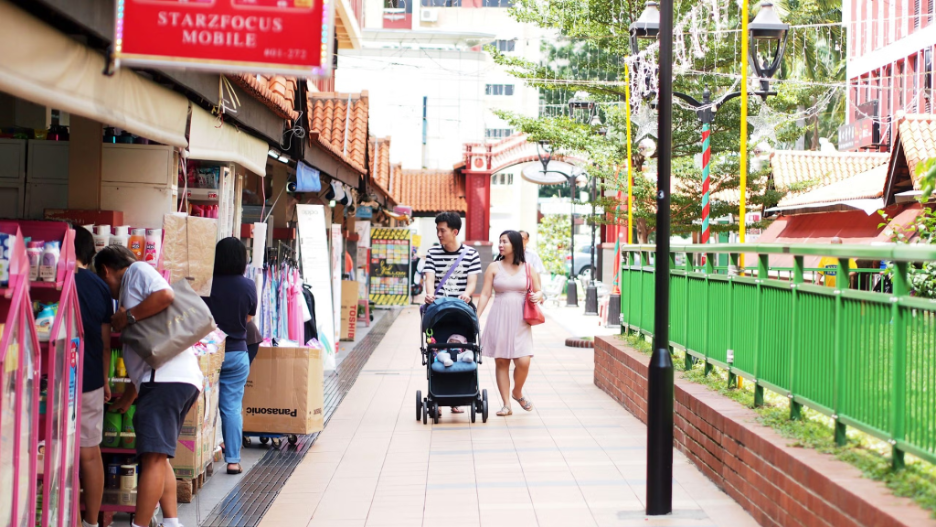
Singapore’s family landscape presents an interesting paradox. At first glance, rising singlehood and falling birth rates among young adults suggest a declining interest in family life. However, by their late 40s, the vast majority of Singaporeans are married. Decoding these seemingly contradictory trends requires looking beyond the surface numbers, which Associate Professor Zheng Mu (NUS […]

Does changing the law change how society talks? In “NUS study: Legal reforms shift public discourse on social issues, but institutional and societal conditions determine lasting change” (NUS News, 11 August 2026), Associate Professor Kokil Jaidka (NUS Communications and New Media) discusses new research on how legal reforms around same-sex relationships shape public discourse in […]
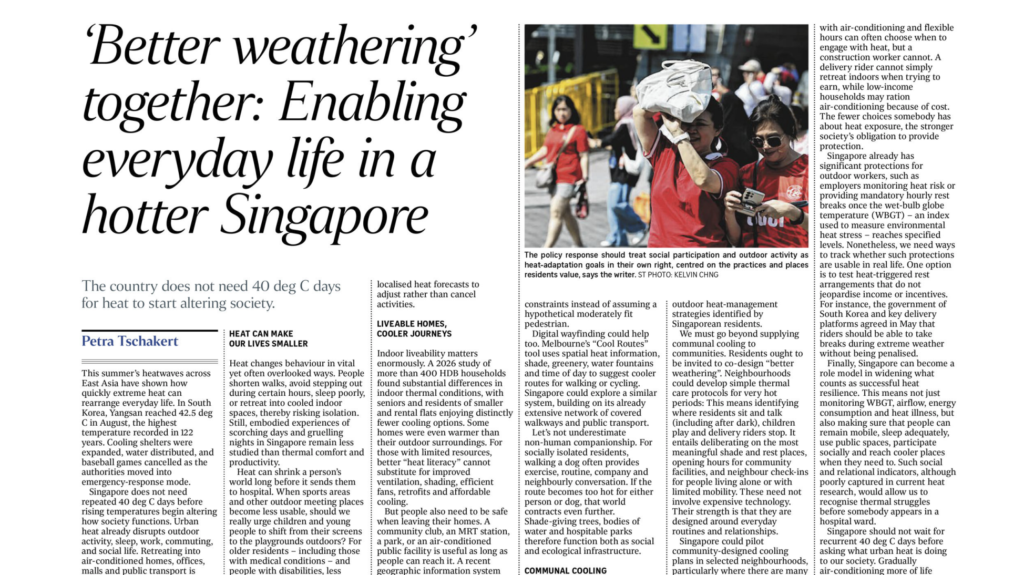
As Singapore faces a hotter climate, how can everyday life remain liveable and resilient? Prof Petra Tschakert of NUS Geography explores how communities can adapt to rising heat through collective action and “better weathering”.
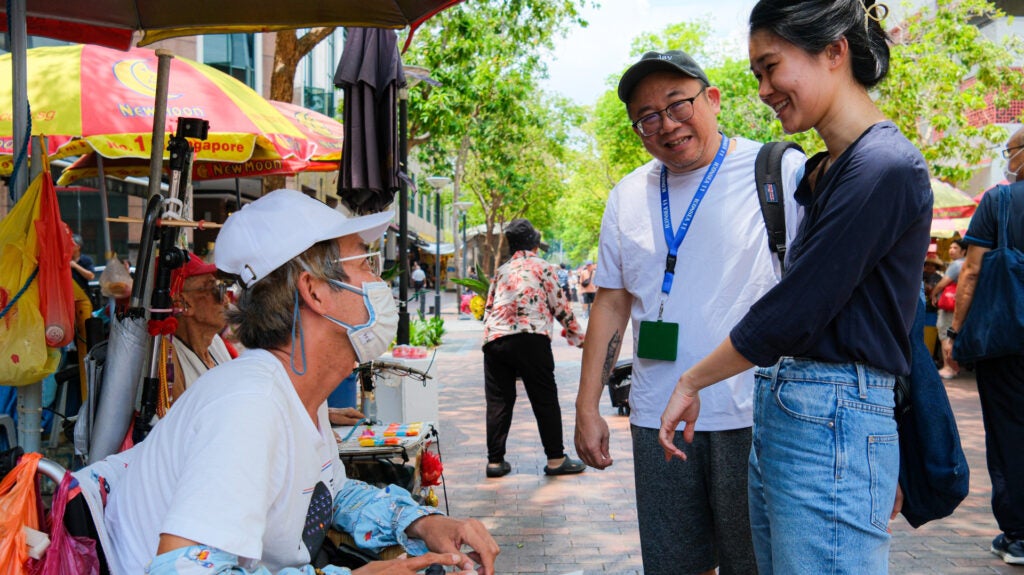
From documenting the lives of vulnerable communities to empowering youths, NUS academics and students are turning research into meaningful action.
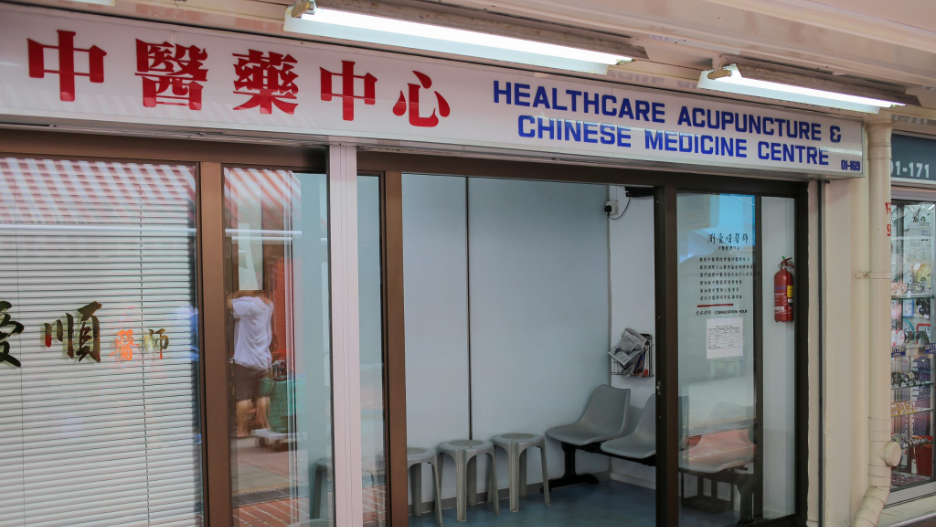
Chinese medicine first arrived in Singapore alongside early waves of Chinese migration into Southeast Asia. Although many local practitioners received training in China, they gradually adapted their practices to suit the local context, giving rise to what is now known as Singapore Chinese Medicine (SCM). Rather than being a replica of Traditional Chinese Medicine (TCM), […]