

News
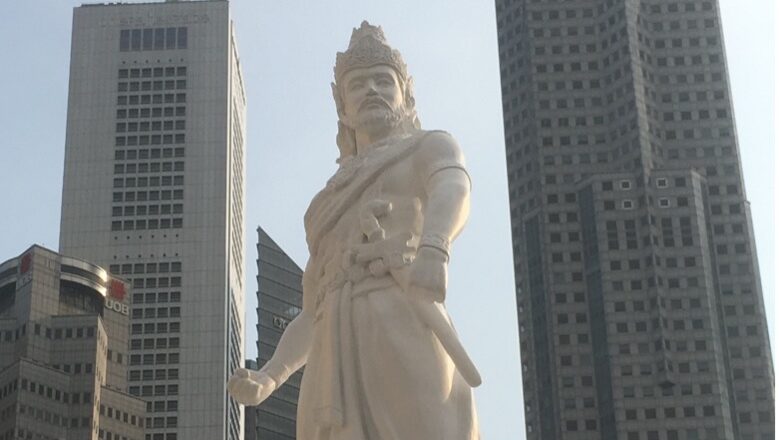
Sang Nila Utama is widely remembered in Singapore as the legendary founder of a pre-colonial kingdom, yet the origins of his name — and what it reveals about early ideas of kingship — are far less commonly understood. In his article “Sang Nila Utama and the Court of Indra,” Assistant Professor Sureshkumar Muthukumaran (NUS History) […]
In February 2026, in conjunction with International Mother Language Day (21 February), two opinion pieces published in The Straits Times and Lianhe Zaobao by Daniel Chan (NUS Centre for Language Studies) examined a shared concern: how language learning and cultural vitality should evolve in an era shaped by artificial intelligence and digital transformation. International Mother Language Day, established by UNESCO to promote linguistic […]
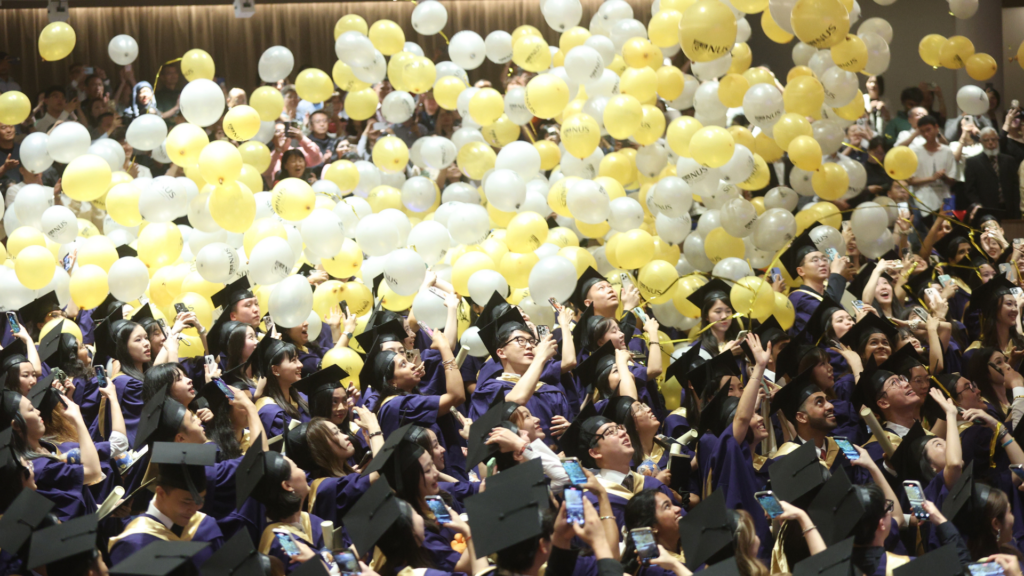
NUS graduates continued to earn higher starting salaries and achieve strong employment rates, according to results of the Joint Autonomous Universities Graduate Employment Survey 2025.

The Crazy Rich Asians film, which premiered in August 2018, was a watershed moment for the representation of Asian stories in Hollywood. Based on the bestselling 2013 novel by Singaporean author Kevin Kwan, the film adaptation quickly became a global phenomenon, marking a shift in the landscape of mainstream cinema, where Asian stories and voices […]
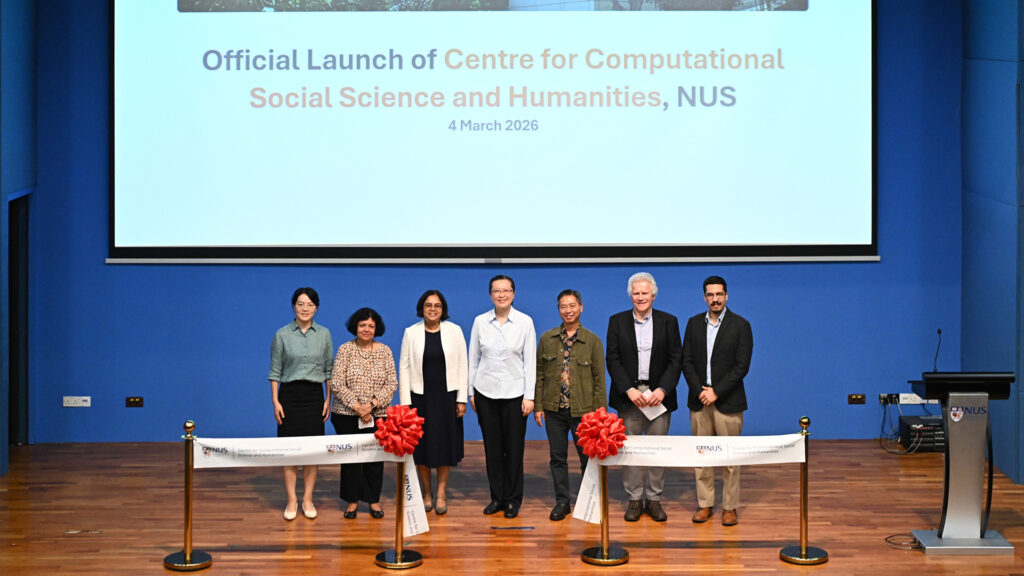
By combining technological innovation with human insight, the Centre for Computational Social Science and Humanities (CSSH) aims to generate research that improves lives, strengthens institutions, preserves cultural knowledge, and shapes more inclusive and resilient societies in Singapore and beyond.
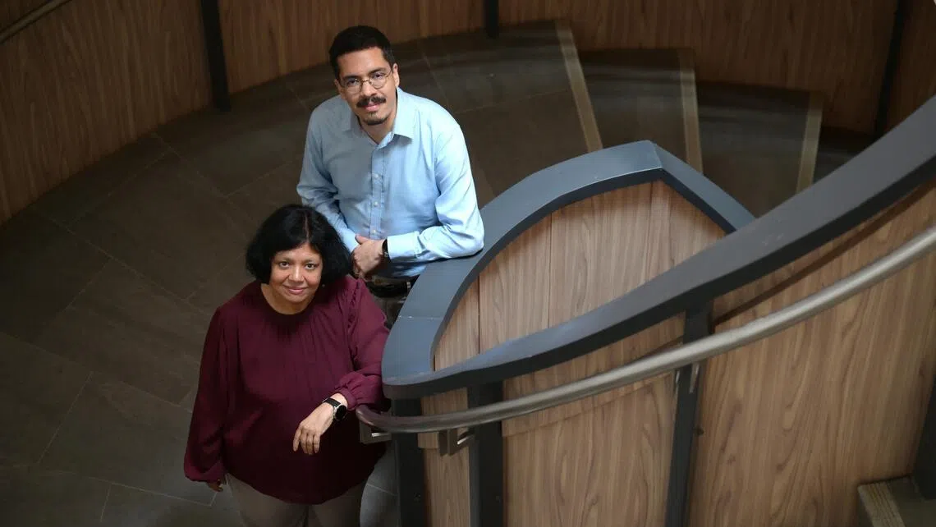
What if policymakers could test how society might react to new policies before they are implemented? Researchers are developing an AI-driven platform to simulate how different segments of society might respond to policy proposals, helping to stress-test ideas before they are rolled out in public. This initiative is one of the flagship projects of the […]
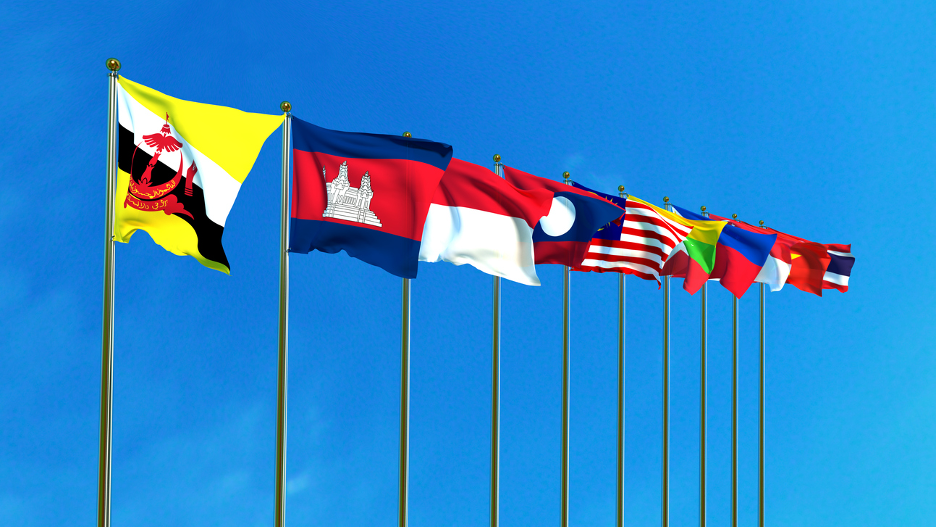
The Regional Comprehensive Economic Partnership (RCEP), the world’s largest free trade agreement, was conceived amid global uncertainty shaped by the COVID-19 pandemic, rising protectionism, geopolitical tensions, and an intensifying U.S.-China rivalry. In such a rapidly shifting landscape, existing theories on free trade agreements (FTAs) may fall short in explaining or predicting RCEP’s evolving impact. ‘Data-Driven […]
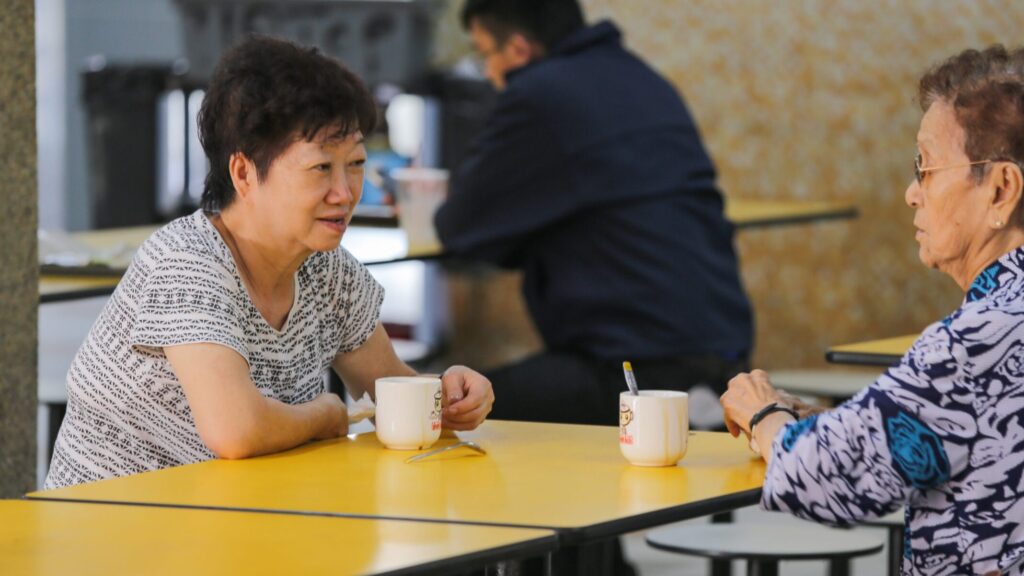
With demographic trends shifting in Singapore, the rise of non-traditional households such as DINKs (Dual Income, No Kids) has become increasingly common. Against this backdrop of changing family structures and an ageing population, critical concerns have emerged regarding the support networks available to childless individuals. In societies where adult children traditionally play a central role […]
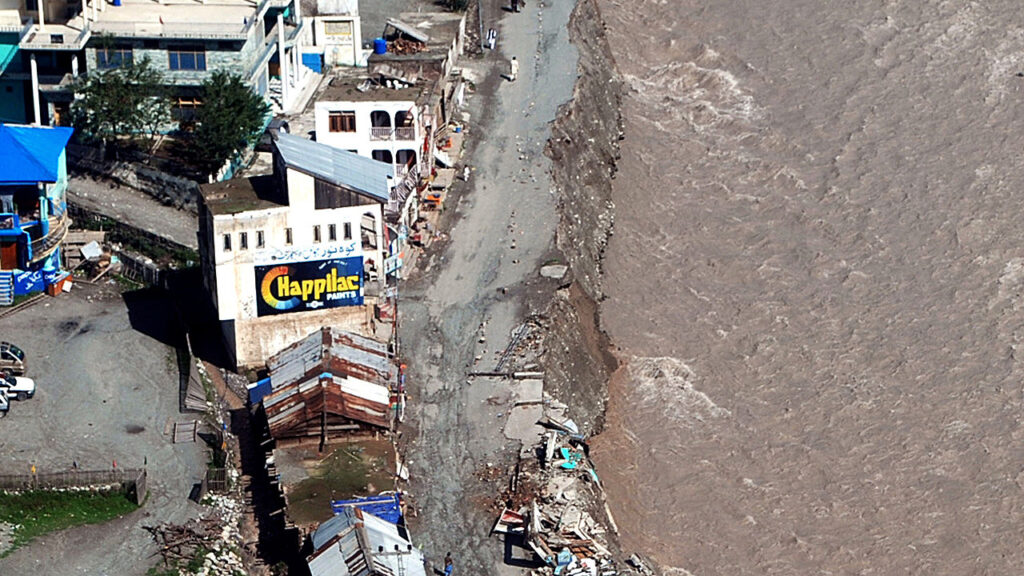
Muhammad Bin Khalid (Harvard Center for International Development) and Asst Prof Martin Mattsson (NUS Economics) examine Pakistan’s 2010 floods, specifically the country’s Watan Card programme, demonstrating how cash transfers are an efficient and effective method of disaster relief, particularly for low-income recipients. Read their article in VoxDev here.
With AI translation tools, what’s the point of learning different languages?
By Dr Daniel Chan, Assistant Dean (Undergraduate Studies), Office of Programmes, FASS, and Senior Lecturer in French at the NUS Centre for Language Studies.